
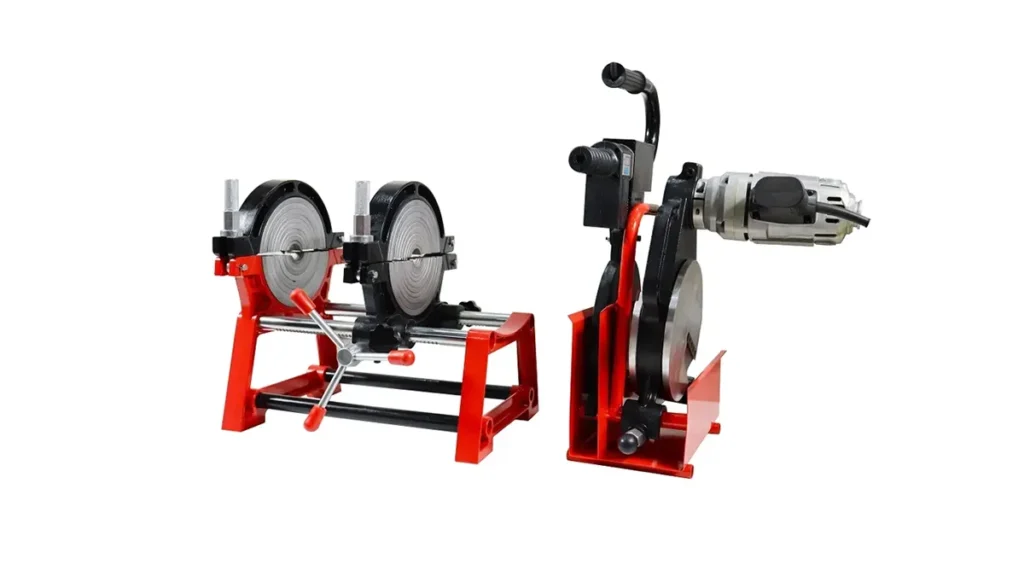
Understanding how long pipe welding equipment lasts helps contractors, utilities, and procurement teams plan budgets, schedule maintenance, and maximize return on investment. This guide breaks down typical lifespans for common HDPE pipe welding machines, the factors that most affect service life, and practical steps to extend equipment longevity.
Typical Lifespans: What to Expect
Service life varies by machine type, usage intensity, and care. Below is a quick reference of estimated lifespans under normal working conditions:
| Equipment Type | Typical Lifespan | Key Limiting Parts |
|---|---|---|
| Manual Butt Fusion Machines | 7–15 years | Clamps, alignment rails, heater plates |
| Hydraulic Butt Fusion Machines | 10–20 years | Hydraulic pump, seals, cylinders |
| Automatic / CNC Butt Fusion Machines | 12–25 years | Electronics, motors, gearbox |
| Electrofusion Welders | 8–18 years | Power modules, connectors, control board |
Why these ranges vary
Estimated lifespans above assume regular use on standard projects. Machines that are heavily used in harsh environments or poorly maintained will sit at the low end of the range; well-cared-for units used intermittently can exceed the high end.
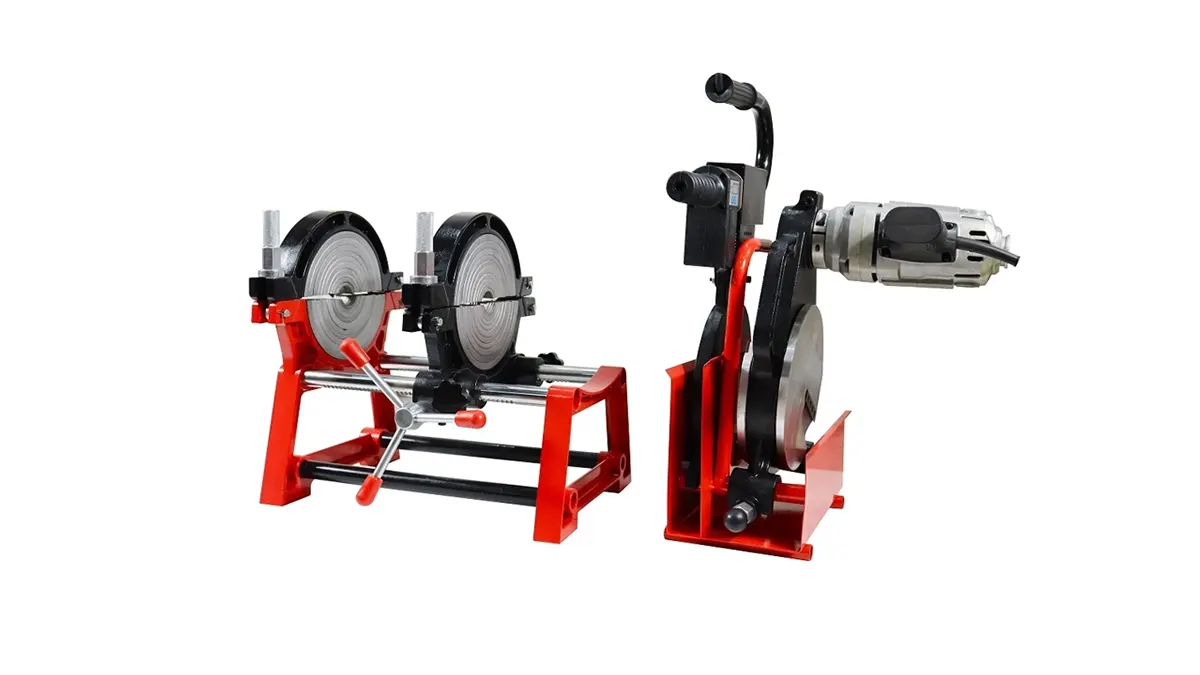
Top Factors That Affect Service Life
1. Build quality and components
Machines with heavy-duty frames, precision rails, and high-grade hydraulic components naturally last longer. Quality heater plates and accurate alignment systems reduce rework and mechanical stress on parts.
2. Usage intensity and duty cycle
Continuous, high-volume projects increase wear on moving parts and hydraulics. A machine used for daily pipeline installation will need more frequent component replacement than one used sporadically for repairs.
3. Maintenance practices
Routine cleaning, lubrication, timely seal and filter replacement, and calibration of heaters and controllers dramatically extend life. Documented maintenance schedules produce predictable longevity and help with warranty claims.
4. Operator training
Skilled operators avoid common mistakes (incorrect heater times, improper clamping pressure) that lead to premature wear. Investing in training reduces stress on mechanical and electrical systems.
5. Environment and storage
Corrosive environments, extreme temperatures, and poor storage accelerate deterioration. Storing machines in dry, temperature-controlled spaces and protecting heater plates prevents surface damage and electrical issues.
Component Lifespans (Typical)
Replaceable parts often determine the practical service life. Typical replacement intervals:
- Hydraulic seals and hoses: 2–7 years depending on pressure cycles.
- Heater plates (PTFE-coated): 3–8 years; damaged plates must be replaced immediately.
- Electric motors and gearboxes: 8–15 years with proper maintenance.
- Control electronics / PLC: 7–15 years; moisture and voltage spikes shorten life.
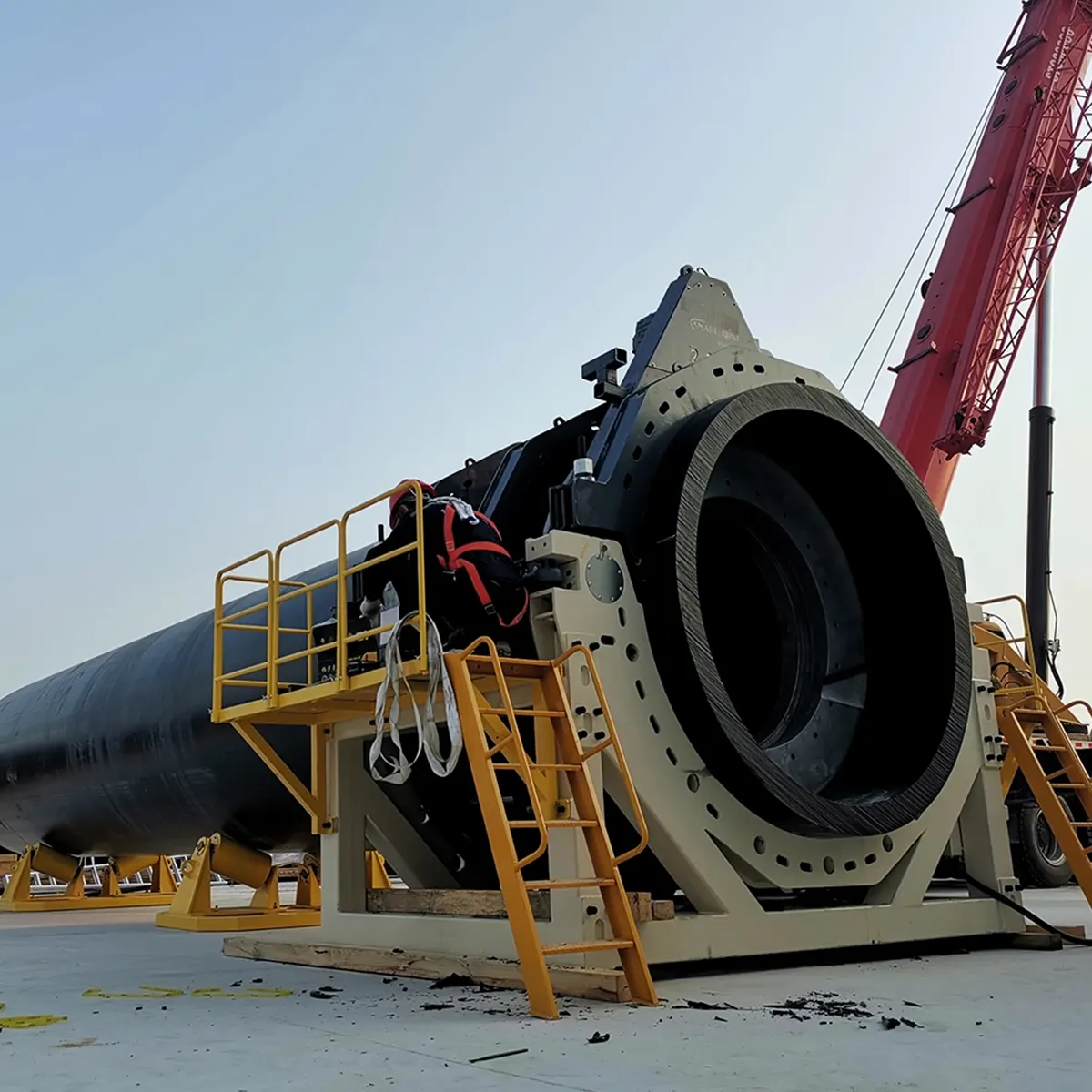
Maintenance Checklist to Extend Machine Life
Follow these practical actions every 3–12 months depending on usage:
- Inspect hydraulic oil level and filter; replace oil every 1–2 years or per hours run.
- Check heater plate surface and temperature calibration before each job.
- Grease linear guides and check clamp alignment weekly on active sites.
- Run electrical system diagnostics and ensure grounding and surge protection.
- Keep a service log with hours, repairs, and part numbers for trend analysis.
Proactive part replacement vs. reactive repairs
Planned replacement of wear items (seals, filters, heater covers) is usually cheaper than emergency repairs and downtime. When uptime matters—such as municipal or gas projects—predictive maintenance pays off.
Buying for Longevity: Procurement Tips
When selecting equipment, weigh the following:
- Warranty coverage and availability of spare parts in your region.
- Local service and technical support network.
- Modularity—can worn subsystems be swapped without replacing the whole machine?
- Machine documentation and calibration certificates.
Cost vs. lifespan trade-off
A higher upfront cost for robust hydraulic or automatic machines often leads to a lower cost-of-ownership over a 10–20 year span due to reduced downtime and fewer rebuilds. Assess total cost of ownership rather than purchase price alone.
Warranty, Parts Availability, and Service
Confirm standard warranty terms, extended warranty options, and typical lead times for critical parts like heater plates, hydraulic pumps, and control modules. Quick access to spares and qualified technicians can add several effective years to a machine’s working life.
Real-world example
Fleet managers who standardize on similar models reduce spare parts inventory and simplify repairs—this often increases fleet uptime by 15–30% compared to a mixed-equipment fleet.
Final Practical Advice
To maximize the lifespan of your pipe welding equipment: choose the right technology for your workload, enforce scheduled maintenance, invest in operator training, and secure reliable spare parts and service. For reliable butt fusion and electrofusion equipment backed by manufacturing support, consider manufacturers with proven track records and global service channels such as JQ-Fusion.



