
South Korea’s rapid urban development and dense gas distribution networks demand precise, safe, and efficient welding solutions for gas line installation and maintenance. For contractors, municipal utilities, and industrial pipeline teams across Korea, choosing the right HDPE pipe welding equipment directly affects project timelines, regulatory compliance, and long-term pipeline reliability.
Understanding Local Needs: Korean Gas Infrastructure and Safety Priorities
Korean gas networks often run through high-density apartment complexes, industrial parks, and coastal LNG terminals. This environment requires welding systems that deliver consistent fusion strength, minimize field rework, and comply with national standards. Local teams prioritize equipment that offers:
Reliable joint integrity under varying site conditions, easy operator training for skilled workers and subcontractors, and compact, transportable units for urban job sites.
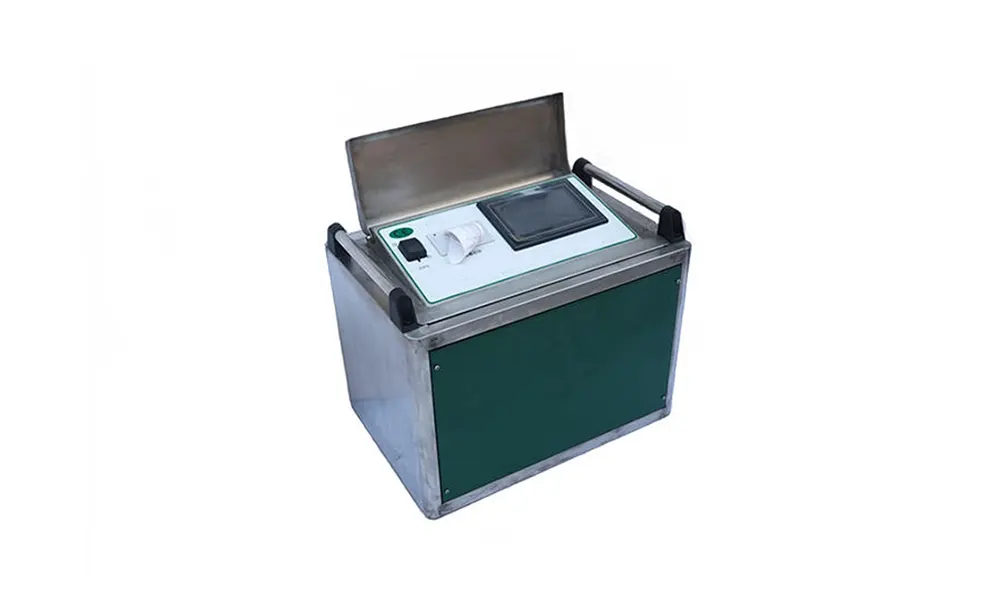
Butt Fusion Options: Manual, Hydraulic, and CNC Automatic
Different project scales across South Korea call for different welding technologies. Manual machines are ideal for emergency repairs and small-diameter networks found in building retrofits. Hydraulic models suit medium to large distribution mains where repeatable pressure and alignment are essential. CNC automatic machines serve large infrastructure projects like city-wide gas main upgrades or industrial pipeline installations, delivering automation, process logging, and minimal operator variability.
How to Choose the Right Machine for Korean Projects
Consider pipe diameter ranges, daily joint counts, crew skill levels, and site mobility. Weather-resistant controls and interfaces with Korean-language support are especially helpful for on-site crews. Prioritize equipment that offers easy spare parts access and local service response times to avoid extended downtime on critical gas projects.
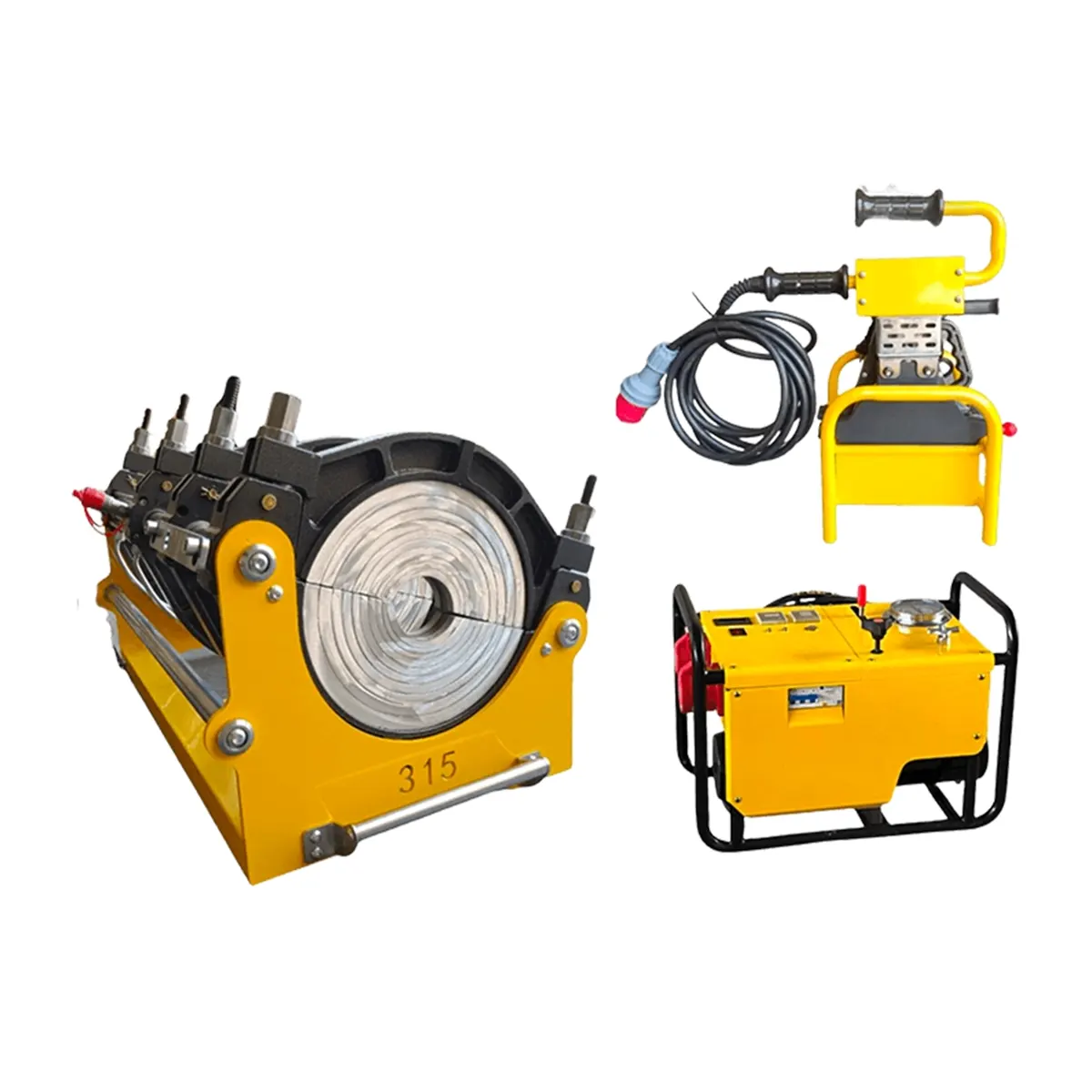
Quick Comparison: Machine Types for Gas Line Work
| Machine Type | Key Advantages | Typical Pipe Range | Best For |
|---|---|---|---|
| Manual Butt Fusion | Lightweight, low cost, field-repair friendly | 20mm – 400mm | Small jobs, service calls |
| Hydraulic Butt Fusion | Stable pressure control, robust for frequent use | 63mm – 1600mm | Distribution mains, municipal projects |
| CNC Automatic Butt Fusion | High repeatability, data logging, labor saving | 90mm – 2000mm+ | Large infrastructure and industrial pipelines |
Regulatory and Quality Considerations in South Korea
Korean projects often require adherence to national standards for gas distribution and pipeline safety. Welding quality documentation, traceable fusion logs, and qualified operator certificates are frequently requested by municipal clients and EPC contractors. Investing in machines with logging capability and clear maintenance records helps secure approvals and reduces liability.
Support, Training, and After-Sales Service
Local availability of spare parts, Korean-language manuals, and on-site training are decisive factors for Korean buyers. Contractors prefer suppliers who can provide fast technical response, periodic calibration services, and operator workshops that align with construction schedules and peak installation seasons.
Cost Efficiency and Lifespan
For long-term projects, total cost of ownership matters more than initial purchase price. Durable frames, replaceable clamp systems, and energy-efficient heaters reduce operating costs. Reliable suppliers also offer extended warranties and spare kits to keep downtime low, which is essential in time-sensitive urban gas works.
Partnering with a Trusted Welding Equipment Supplier
If you need proven butt fusion equipment, parts, and training for South Korea’s gas distribution projects, consider contacting JQ-Fusion at https://jq-fusionwelding.com/ for product details, Korean market references, and tailored support.



