
High-density polyethylene (HDPE) pipe systems depend on consistent, leak-free joints—making the choice of a poly pipe fusion machine a critical decision for contractors, utilities, and municipal projects. This guide highlights reliable solutions for HDPE pipe welding, helping teams select equipment that balances performance, portability, and return on investment.
Why Choose Butt Fusion for HDPE Pipes
Butt fusion is the industry-standard method for joining HDPE pipes because it creates homogenous joints with excellent mechanical strength and long-term durability. Compared with mechanical couplings or adhesives, butt fusion reduces leak risk and performs reliably across water, gas, mining, and industrial pipeline systems. Key advantages include:
• Permanent, high-strength joints
• No foreign materials or solvents
• Suitable for a wide range of diameters
Types of Fusion Machines and When to Use Them
Selecting the right machine depends on project scale and site conditions. Common options include:
Manual Butt Fusion
Best for small-diameter pipelines and occasional field repairs where portability and low cost are priorities. Operators control alignment, heating, and fusion steps manually.
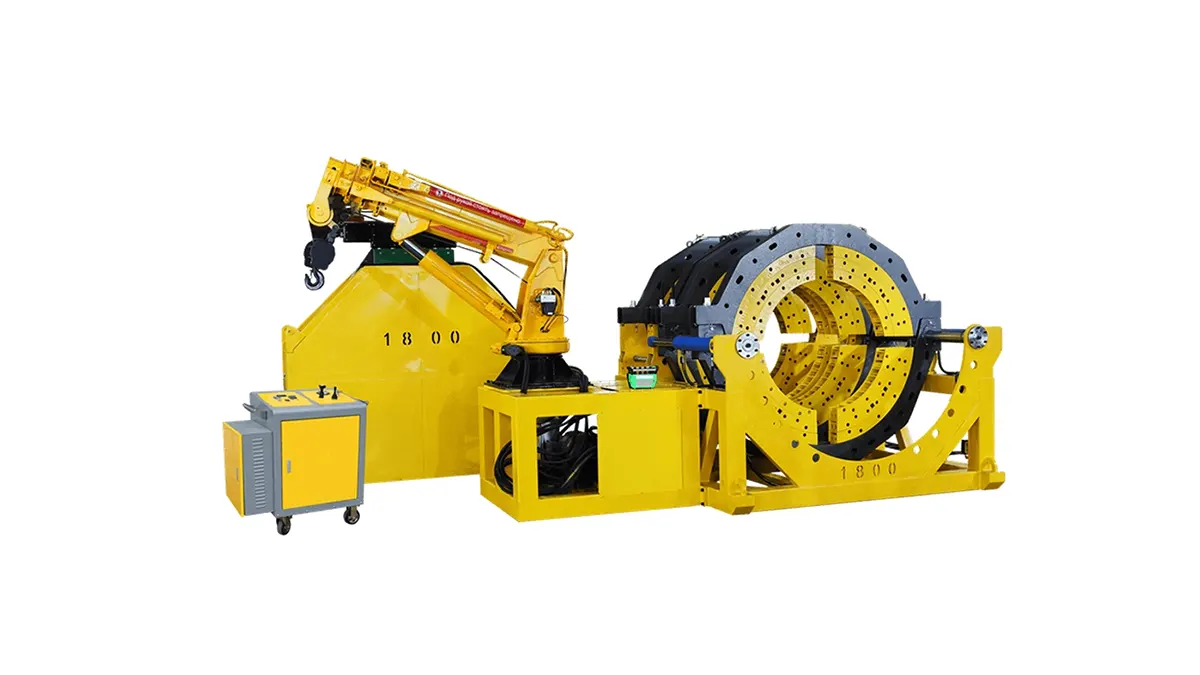
Hydraulic Butt Fusion
Ideal for medium to large diameter pipes and repetitive work. Hydraulic systems provide consistent pressure and faster cycle times, delivering more reliable welds for construction and utility deployment.
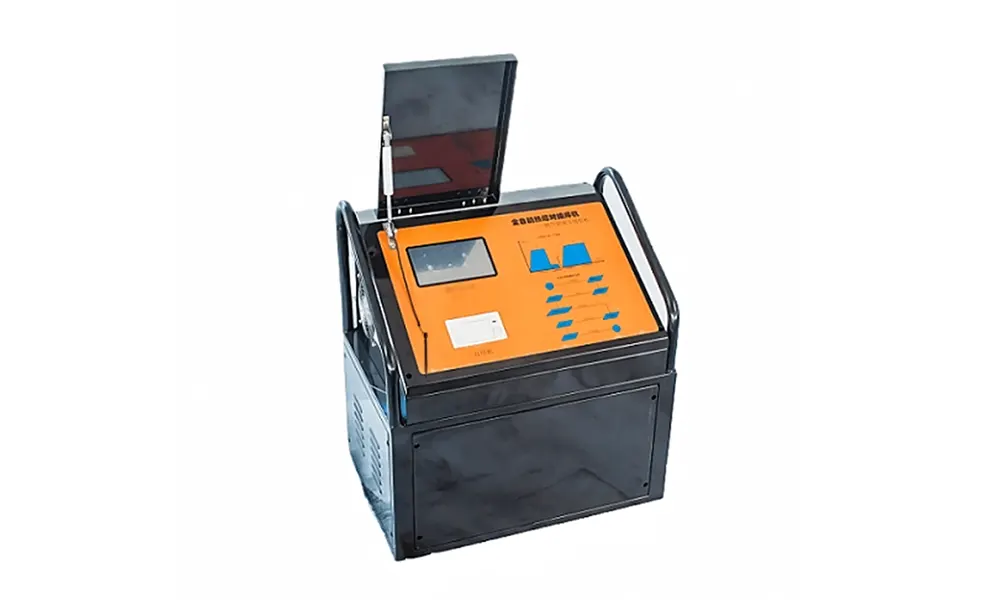
Automatic / CNC Butt Fusion
Used for high-volume production and precision projects where process automation reduces operator variability. These systems record welding parameters and often include programmable welding cycles for quality assurance.
How to Evaluate a Poly Pipe Fusion Machine Supplier
When sourcing equipment, focus on reliability, spare-part availability, and service support. Consider the following supplier attributes:
- Product range — from manual frames to automated CNC systems to match project scale.
- Quality control — documented welding parameters, ISO or equivalent manufacturing practices.
- After-sales support — training, spare parts, and responsive technical assistance.
- Certifications — industry standards for welding equipment and safety compliance.
Quick Comparison: Common Fusion Models
| Machine Type | Typical Diameter Range | Best For |
|---|---|---|
| Manual Butt Fusion | 20mm – 315mm | Small jobs, field repairs |
| Hydraulic Butt Fusion | 63mm – 2250mm | Municipal, industrial pipelines |
| Automatic / CNC Fusion | 63mm – 1000mm+ | High-volume, precision welding |
Selection Checklist for Buyers
Before purchasing, verify:
- Pressure control accuracy — consistent fusion pressure yields repeatable joints.
- Heating plate quality — even temperature distribution and durable non-stick coatings.
- Clamping and alignment — secure pipe holding to prevent misalignment during fusion.
- Data logging — useful for QA records and third-party inspections.
Maintenance Tips to Extend Machine Life
Regular maintenance reduces downtime and repair costs. Key actions include:
• Clean and inspect heating plates after each use
• Replace wear parts like jaws and seals proactively
• Keep hydraulic fluids and filters maintained for hydraulic units
Applications Where Reliable Fusion Machines Matter Most
HDPE pipe systems in the following sectors demand reliable fusion solutions:
- Water supply and sewage
- Gas distribution
- Mining and slurry pipelines
- Industrial process piping
Supplier Highlight
Manufactured by JQ-Fusion (https://jq-fusionwelding.com/), these solutions include manual, hydraulic, and CNC automatic butt fusion machines designed for global infrastructure projects, with a focus on durability and customization.
Final Buying Advice
Match machine capabilities to your project profile, prioritize suppliers offering training and spare parts, and insist on equipment that supports consistent data-driven welding records. Investing in the right fusion machine reduces installation risk and lowers lifecycle costs for HDPE pipeline networks.



