
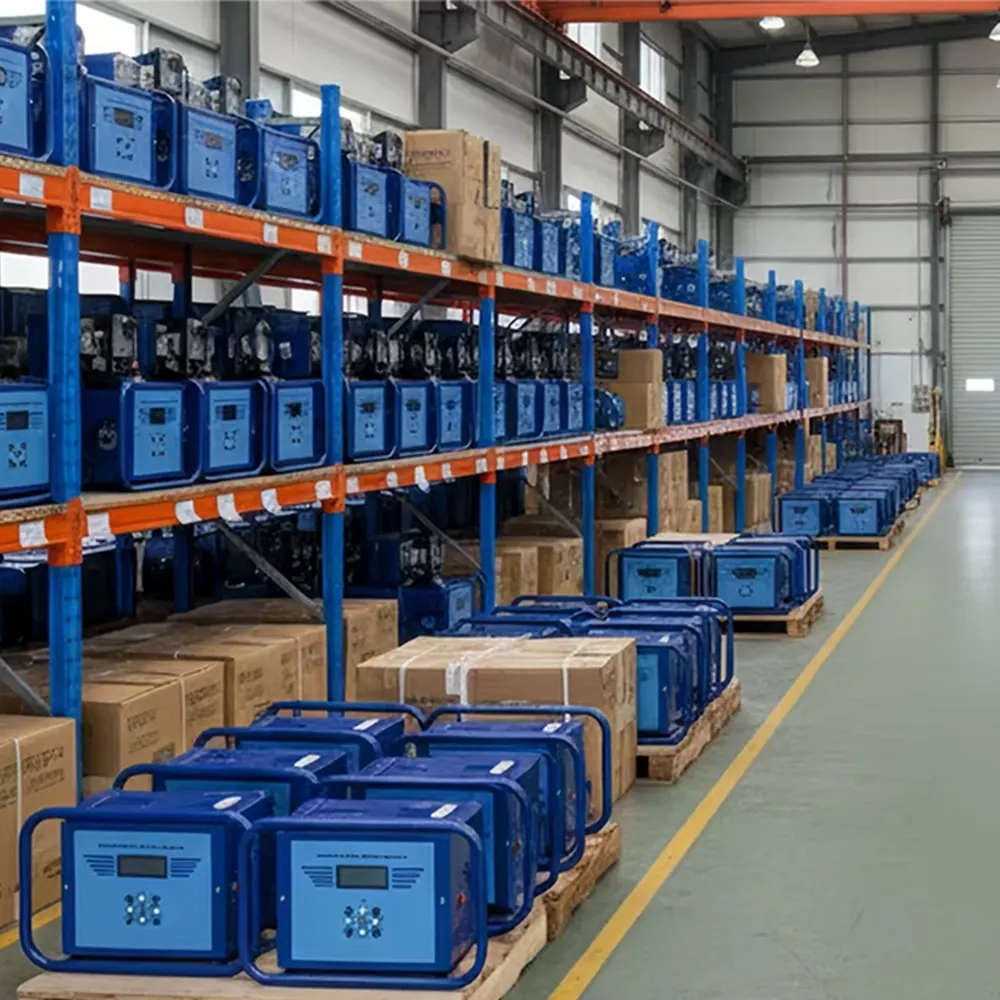
When joining HDPE pipes, two primary methods dominate the industry: electrofusion and butt fusion. Each technique offers distinct advantages and is suited for different project requirements, environments, and budgets. Understanding the key differences is crucial for engineers, contractors, and project managers to select the most efficient, reliable, and cost-effective joining solution.
Fundamental Principles: How Each Method Works
Butt fusion involves heating the prepared ends of two HDPE pipes or fittings simultaneously using a heated plate. Once the material reaches a specific molten state, the plate is removed, and the ends are pressed together under controlled pressure to form a homogeneous, permanent joint. This process requires a specialized butt fusion machine.
Electrofusion, on the other hand, uses fittings (couplers, saddles, elbows) with integrated resistive wire coils. The pipe ends are inserted into the fitting, and an electrofusion control unit passes an electric current through the coils. The heat generated melts the inner surface of the fitting and the outer surface of the pipe, fusing them together as the material cools.
Core Advantage Comparison at a Glance
▶ Butt Fusion Strength: Creates a joint as strong as, or stronger than, the pipe itself, with the bead providing visual confirmation.
▶ Electrofusion Flexibility: Ideal for tight spaces, repairs, and connecting pipes where alignment for butt fusion is impossible.
▶ Butt Fusion Cost-Efficiency: Lower consumable cost per joint for long, straight runs of pipe.
▶ Electrofusion Speed & Simplicity: Faster setup for individual joints and requires less operator skill for basic applications.
Detailed Analysis of Key Advantages
Joint Integrity and Structural Strength
The butt fusion process is renowned for producing a fully homogeneous joint. The molten polymer from both pipe ends mixes completely, resulting in a seamless connection. The external bead formed is a critical quality indicator. This method is the preferred choice for mainline installations, high-pressure applications, and projects where long-term, leak-free performance is non-negotiable.
Electrofusion joints are also very strong when performed correctly. However, the integrity heavily depends on proper pipe preparation (scraping), cleanliness, and the quality of the fitting and control box. The joint strength is excellent for most applications but is generally considered to have a slightly higher potential for installation error compared to a well-executed butt fusion.
Operational Flexibility and Site Adaptability
This is where electrofusion shines. Its primary advantage is the ability to make joints in confined spaces, around obstacles, or for tie-ins and repairs without needing to move long sections of pipe. It is indispensable for service connections, branch lines, and complex networks with multiple fittings.
Butt fusion requires a clear, straight alignment of the pipe sections and sufficient space to operate the machine. While modern butt fusion machines are highly portable, the process is best suited for long, straight pipeline runs in trenches or above-ground where alignment is straightforward.
Economic Considerations: Cost and Efficiency
The economic analysis depends on scale. For long-distance pipeline projects with few fittings, butt fusion is significantly more cost-effective. The main expense is the equipment (which can be rented), while the consumable cost per joint is virtually zero. The process is highly efficient for repetitive joins on pipe of the same diameter.
Electrofusion has a higher consumable cost per joint due to the proprietary fittings. However, it offers savings in labor time (faster setup per joint) and can reduce overall project cost in scenarios with many connections or complex layouts by avoiding costly excavation for machine access.
Skill Requirement and Process Control
Butt fusion requires a trained, certified operator. The operator must manage multiple parameters: heating plate temperature, heating time, switch-over time, and fusion pressure. Consistent, high-quality results depend on this skill and a well-maintained machine.
Electrofusion automates much of the process. The control box reads the fitting’s barcode and applies the correct fusion cycle. While proper pipe preparation remains critical, the reduced reliance on operator judgment for heat and time can lead to more consistent results across different crews.
Choosing the Right Method for Your Project
The choice is rarely exclusive; most large projects utilize both methods. A reliable equipment partner like JQ-Fusion, a professional manufacturer with over 20 years of experience, can provide both high-quality butt fusion and electrofusion machines along with expert guidance.
Choose Butt Fusion When: Installing long, straight mainlines (water, gas, mining); joint strength is the absolute top priority; working with large diameters (e.g., 800mm+); and project economics favor lower consumable costs over many joints.
Choose Electrofusion When: Working in tight spaces or making service connections; performing repairs or tie-ins to existing lines; the network involves many fittings (tees, elbows, reducers); or when a diverse crew needs a standardized, automated joining process.
Frequently Asked Questions (FAQs)
Which method creates a stronger joint?
A properly executed butt fusion joint is generally considered to have a slight edge in creating a fully homogeneous, bead-confirmed joint that matches the pipe’s pressure rating. Both methods, when performed correctly to standards, provide strong, leak-free joints suitable for their intended applications.
Is electrofusion easier to learn than butt fusion?
Yes, generally. Electrofusion relies more on the programmed control unit and proper preparation, while butt fusion requires more operator judgment and experience in managing the heating and pressing phases. However, certification and training are crucial for both.
Can I use both methods on the same pipeline project?
Absolutely. This is a very common and efficient approach. Butt fusion is used for the long straight sections, while electrofusion fittings are used for branches, connections, valves, and repairs, leveraging the strengths of each technology.
How do I ensure quality control for each method?
For butt fusion, monitor the bead shape and size, and document all fusion parameters (time, temperature, pressure). For electrofusion, use a scanner to confirm the correct cycle was run from the fitting’s barcode, and ensure visual indicators (holes) on the fitting have risen. Partnering with a manufacturer that emphasizes strict quality control in their machines, like JQ-Fusion, is the first critical step.
What is the main cost driver for each technique?
For butt fusion, the primary cost is the capital investment or rental of the welding machine. For electrofusion, the ongoing cost is the purchase of the proprietary electrofusion fittings, which are more expensive per connection than the simple pipe ends used in butt fusion.



