
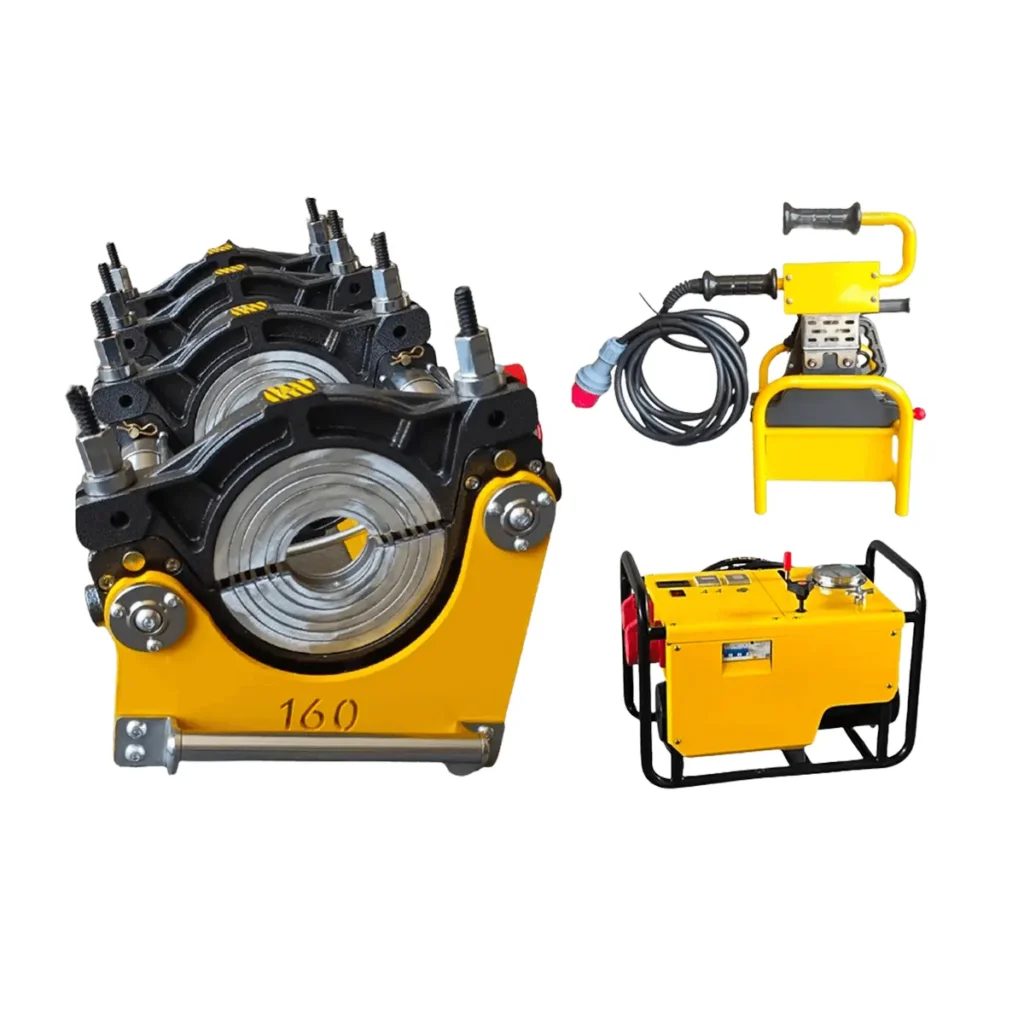
Portable pipe welding machines bring reliable, high-performance butt fusion capabilities directly to the jobsite. For contractors, utilities, and pipeline installers who need speed, repeatability, and strong welds in variable conditions, a compact on-site welding solution can dramatically reduce downtime and improve overall project quality.
Why Choose a Portable Pipe Welding Machine for On-Site Construction
Mobility and ease of setup mean teams can complete welds in remote trenches, urban worksites, and confined spaces without the need to transport long pipe runs to a fixed shop. Portable units combine compact design with robust clamping and heating systems, delivering consistent butt fusion joints on HDPE, PP, and other thermoplastic pipeline materials.
Key Benefits for Contractors
Faster deployment — set up within minutes and weld sections immediately; consistent quality — precise pressure and heating control reduce rework; cost-effective — less logistical expense compared with shop-based welding.
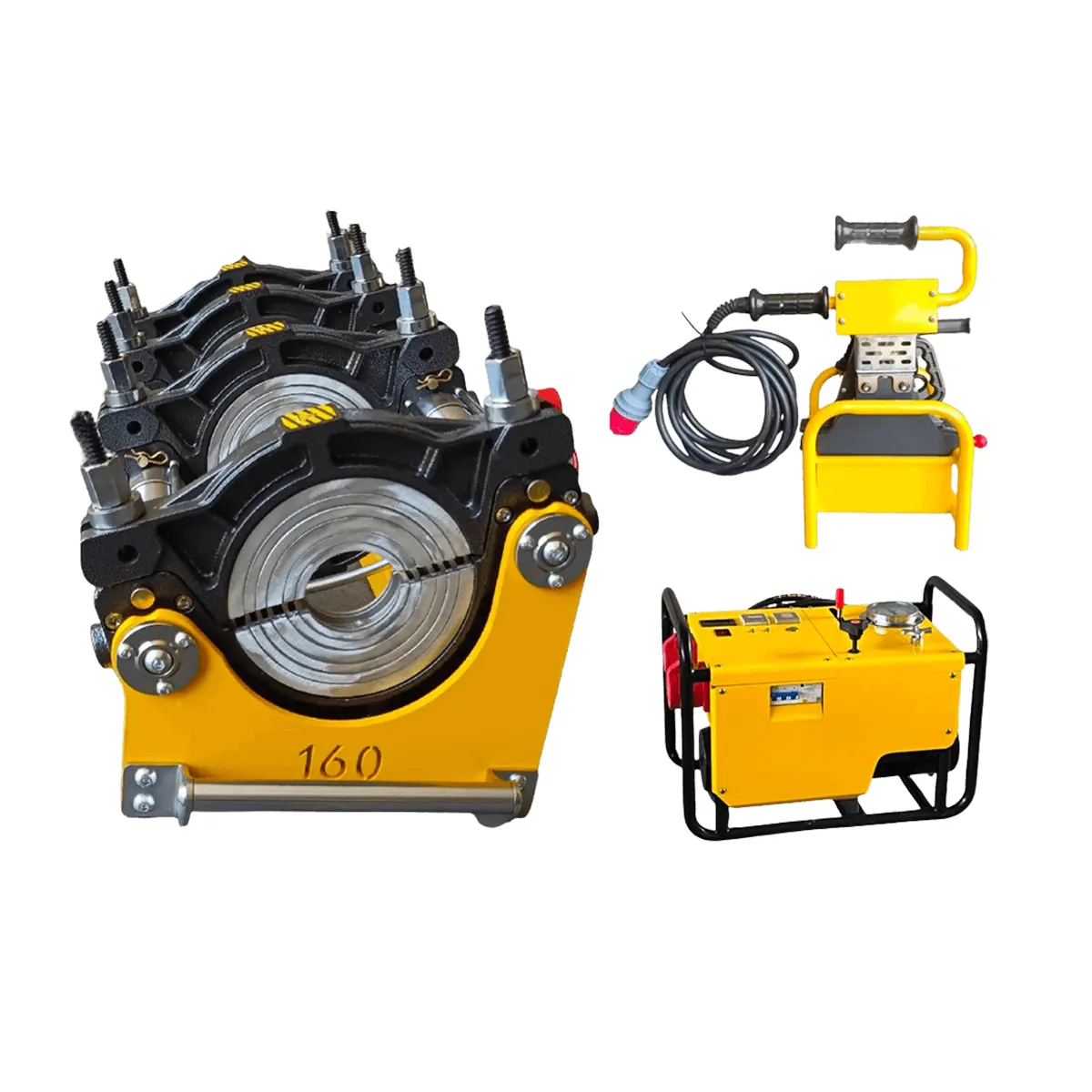
Typical On-Site Applications
Portable machines excel across a wide range of infrastructure projects: water distribution networks, gas pipelines, irrigation systems, industrial process lines, and temporary repair operations. Their adaptability to different pipe diameters and materials makes them an ideal choice for mixed-asset projects.
Performance Features to Look For
Sturdy clamp frames to maintain alignment under pressure, accurate heating plates for uniform melt, and intuitive controls (manual or automated) that help operators follow fusion cycles precisely. Auxiliary features such as hydraulic power packs, exchangeable inserts, and compact transport frames increase field productivity.
Portable Welding Machine Comparison Table
| Feature | Portable Model A | Portable Model B |
|---|---|---|
| Pipe Range | 20–160 mm | 63–315 mm |
| Power | Electric / Battery-ready | Hydraulic / Electric |
| Typical Cycle Time | 6–12 min (depends on OD) | 8–16 min |
| Field Weight | ~35 kg | ~120 kg |
Practical On-Site Tips for Reliable Welds
Pre-Weld Preparation
Keep pipe ends clean and square; protect the work area from strong winds and contaminants. Use proper facing tools and check alignment before heating. Field alignment jigs and backup supports help maintain concentricity in trenches and slopes.
Follow the Fusion Cycle
Adhere to recommended temperature, pressure, and soak times per material and diameter. Modern portable units often include programmable controllers or printed charts — use them to document each weld for quality records.
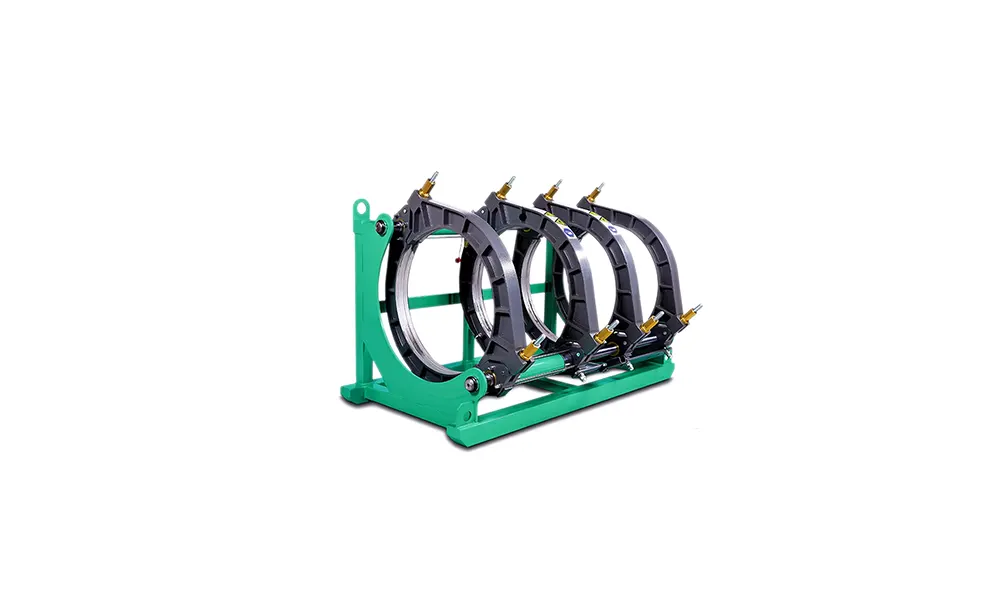
Selecting the Right Portable Unit
Match the machine’s clamping range to your most common pipe diameters. For contractors handling frequent large-diameter installations, consider a hydraulic portable series that balances mobility with higher clamping force. For urban repair crews and municipal teams, lightweight electric or battery-assisted models offer the fastest setup and transportability.
Serviceability and Spare Parts
Field maintainability is essential. Choose models with accessible heating elements, standardized spares, and simple calibration routines. Training your crew on routine checks prevents unexpected delays on critical projects.
Maintenance Checklist for Field Teams
Inspect clamp jaws and inserts for wear; clean heating platen surfaces after cool-down; verify pressure gauges and hoses for leaks; lubricate guide rails and verify battery charge levels if applicable. Keep a small parts kit and facing tool set with every portable machine to minimize downtime.
Safety and Compliance
Use personal protective equipment, maintain proper ventilation in confined spaces, and ensure all equipment meets local electrical and pressure safety codes. Document weld parameters and visual checks to meet project and regulatory requirements.
How JQ-Fusion Supports On-Site Welding Teams
JQ-Fusion provides a broad range of portable and hydraulic butt fusion machines, backed by spare parts availability and technical support tailored for field operations. For contractors seeking a dependable on-site welding partner, product lines are engineered for repeatable weld quality and ease of transport.
Contact & Next Steps
To specify a portable solution for your next pipeline project, review product options and request technical datasheets to match machine capability with your pipe diameters and site conditions.



