
Electrofusion welding is a precise process that depends heavily on temperature control. This guide explains the operating temperature requirements for electrofusion welding equipment, how temperature affects joint quality, and practical steps to ensure safe, consistent welds on HDPE pipes and fittings.
Why Temperature Matters for Electrofusion
Temperature influences fusion consistency, melt flow, and final joint strength. Too low and the polymer may not fuse properly; too high or too fast cooling can cause weak or brittle joints. Always follow the coupler manufacturer’s instructions and the welding machine’s guidance for best results.
Key temperature factors
– Ambient (site) temperature: affects how the pipe and coupler behave during preparation and cooling.
– Surface temperature of the components: cleanliness and dryness matter more in marginal temperatures.
– Heating cycle and cooling time: must match the coupler datasheet and be adjusted for ambient conditions.
Recommended Operating Temperature Ranges
Temperature recommendations vary by coupler type and manufacturer, but the following operational ranges provide practical guidance for most field situations.
| Parameter | Typical Range | Practical Notes |
|---|---|---|
| Ambient/site temperature | 5°C to 35°C (41°F to 95°F) | Optimal range for predictable heating and cooling. For colder or hotter sites, adjust procedures. |
| Cold weather operation | -10°C to 5°C (14°F to 41°F) | Pre-warm components, store couplers in insulated containers, and extend heating/cooling times as advised by the manufacturer. |
| High temperature sites | Above 35°C (95°F) | Avoid overheating, ensure shaded working area, and consider shorter heating cycles with careful cooling control. |
| Storage temperature for couplers | Dry, 5°C–30°C (41°F–86°F) | Keep couplers dry and away from direct sunlight to preserve labels and welding performance. |
Notes on the table
The ranges above are practical guidelines. Always verify the exact parameters printed on each electrofusion coupler or in the coupler technical datasheet before welding.
Pre-Weld Temperature Checklist
Before starting an electrofusion weld
– Confirm ambient temperature and adjust procedure if outside the optimal range.
– Store couplers in a dry place and verify lot/expiry when required.
– Clean pipe ends and coupler surfaces. Moisture, frost, or condensation must be removed—use a dry cloth or heat source approved for the material.
– Allow pipes and fittings to acclimatize to site temperature when possible.
Adjusting Procedures for Cold and Hot Conditions
Cold conditions: Use insulated blankets for pre-warming, increase heating time slightly as permitted by the coupler manufacturer, and increase cooling time to avoid thermal shock.
Hot conditions: Shield the joint from direct sun, avoid additional preheating, and monitor cooling to prevent too-rapid solidification which can create stresses.
Welding Sequence & Temperature Control
Standard steps with temperature-aware tips
1. Align and clamp pipes; confirm axial alignment and gap per coupler instructions.
2. Clean and scrape pipe surfaces; ensure dryness—no visible condensation.
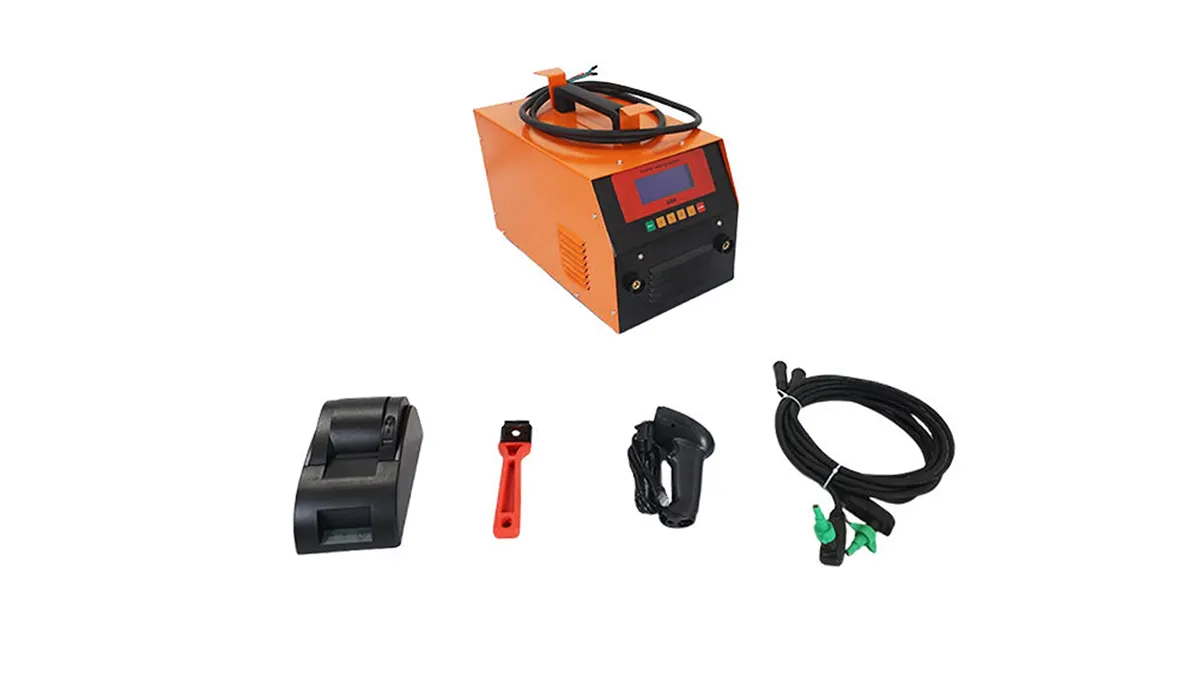
3. Connect the electrofusion control unit and select the program printed on the coupler (or scan the barcode where available).
4. Start the heating cycle and never interrupt power during the selected cycle time. Interruption can cause incomplete fusion.
5. After heating, allow the full manufacturer-specified cooling time before any mechanical handling or pressure testing.
Quality Assurance and Temperature-Related Inspection
– Visual check: uniform bead appearance and continuous bead around the joint indicate proper fusion.
– Destructive and non-destructive testing: follow project QA plans—temperature during welding is an important recorded parameter.
– Record ambient temperature, coupler ID, machine program, start/end time, and operator to help trace any issues.
Common temperature-related defects
– Cold fusion (incomplete melt): often due to low ambient temperatures or insufficient heating.
– Overheated or degraded polymer: caused by excessive heating or prolonged cycles in high ambient temperatures.
– Surface contamination after welding: condensation or water intrusion during cooling can create imperfections.
Safe Use Tips for Equipment and Power Supply
– Use a stable power source; voltage dips can interrupt the heating cycle.
– Calibrate the electrofusion control unit regularly and check sensor accuracy.
– Protect equipment from extreme cold and heat when stored on-site—batteries and electronics are temperature-sensitive.
Quick Troubleshooting Guide
If a weld looks suspect: do not pressurize the system. Mark the joint, collect the welding log, and follow project repair procedures which may include cutting out and re-welding a fresh joint after appropriate conditioning.
Recordkeeping
Maintain a welding log that includes ambient temperature, operator, machine ID, coupler serial, program used, and any deviations. These records support quality control and are critical if rework or investigation is required.
Final Safety Reminders
– Never bypass recommended heating or cooling times based on perceived looks alone.
– Use personal protective equipment (gloves, eye protection) when preparing and handling hot surfaces.
– Always comply with local regulations and the welding procedure specification (WPS) for your project.
About JQ-Fusion
JQ-Fusion is a professional manufacturer specializing in HDPE pipe welding machines, offering manual, hydraulic, and CNC automatic butt fusion equipment for global infrastructure projects.



