
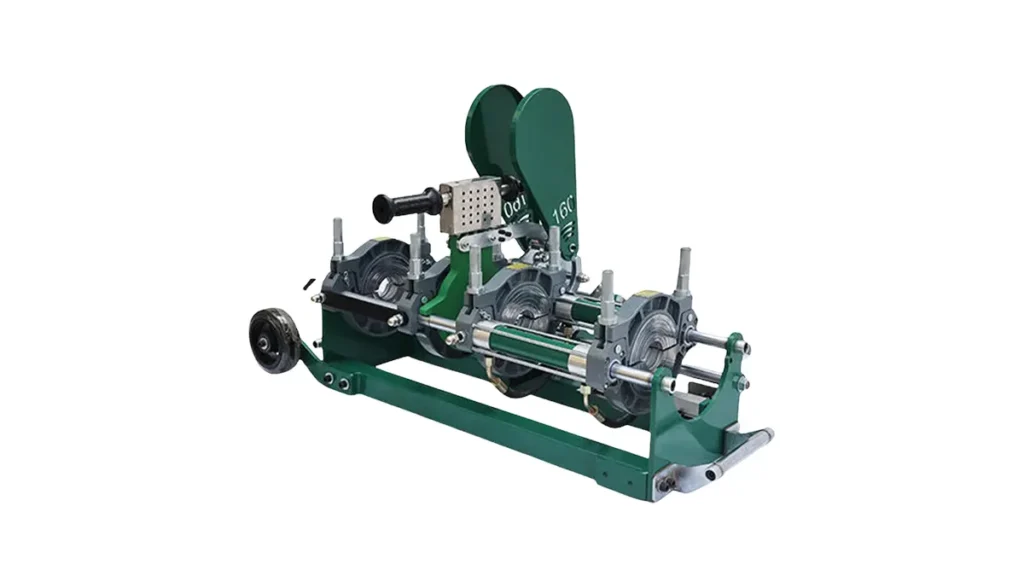
HDPE fusion machines play a critical role in Saudi Arabia’s expanding pipeline projects — from municipal water networks and irrigation systems to oil, gas and large-scale desalination infrastructure. For contractors and engineers working in hot, sandy and remote environments, choosing the right butt fusion equipment ensures reliable joints, long-lasting pipelines and efficient installation schedules. JQ-Fusion offers a comprehensive range of manual, hydraulic and CNC automatic butt fusion machines designed for these exact demands.
Why HDPE Butt Fusion Suits Saudi Projects
The region’s infrastructure push — driven by municipal growth and national initiatives — demands piping systems that resist corrosion, chemical attack and the stresses of high temperatures. HDPE pipes joined by butt fusion provide:
- Leak-free, homogenous joints that match pipe strength;
- Outstanding chemical and abrasion resistance for industrial and wastewater applications;
- Flexibility and impact resistance useful for shifting sandy soils common across Saudi sites;
- Cost-effective installation and long lifecycle that lower lifecycle costs.
These attributes make HDPE fusion the preferred method for potable water distribution, gas pipelines, desalination return lines and agricultural irrigation systems across Saudi Arabia.
Key Features to Look for in an HDPE Fusion Machine
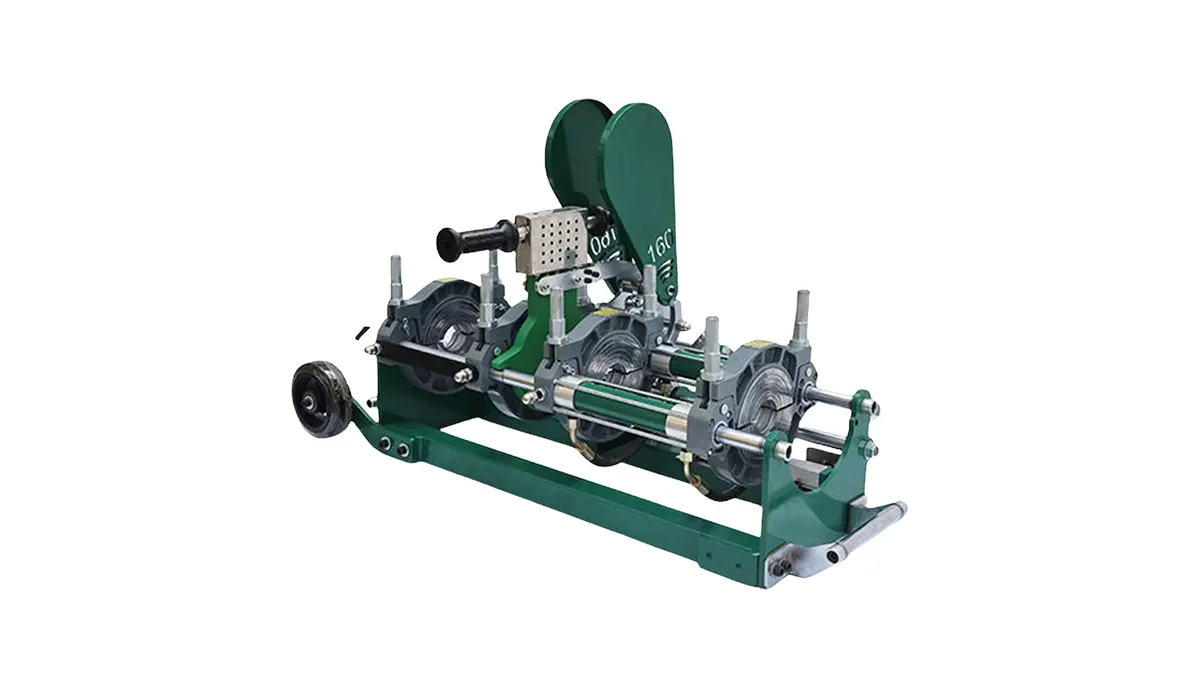
When evaluating equipment for Saudi jobs, prioritize machines that deliver durability, precision and field reliability. Important features include:
- Robust clamping systems for secure alignment in sandy or windy conditions;
- Accurate temperature and pressure control for consistent weld quality;
- Portable designs or modular frames for access to remote sites;
- Hydraulic power units with protection against dust and heat;
- Option for CNC automation when high throughput and traceable weld reports are required.
Selecting the right combination of manual, hydraulic or automatic fusion equipment helps balance budget, speed and quality objectives on Saudi projects.
Choosing the Right Machine for Saudi Conditions
Project type and local conditions guide machine choice:
- Municipal water & irrigation: mid-range hydraulic machines or reliable manual units for smaller crews;
- Desalination and industrial lines: high-precision automatic machines to meet strict process and safety standards;
- Oil & gas distribution: rugged hydraulic or CNC systems with traceable weld records and certified processes;
- Remote desert works: portable frames, dust-resistant components and simplified maintenance access.
Consider also spare parts availability, local training and on-site support to minimize downtime in Saudi project schedules.
Installation & Welding Best Practices in Saudi Arabia
Consistent, high-quality butt fusion welds follow a controlled sequence:
- Preparation: clean pipe ends and remove sand or debris;
- Alignment & clamping: secure pipes straight and concentric;
- Facing: trim ends to a smooth, square finish;
- Heating: apply specified temperature and uniform contact with the heating plate;
- Fusion: apply correct pressure and hold time according to pipe SDR and ambient conditions;
- Cooling: allow adequate cooling time before handling or backfilling.
Local technicians should be trained in these steps and follow international welding procedures and Saudi project specifications to ensure long-term performance.
Quick Comparison: Machine Types & Typical Applications
| Machine Type | Typical Pipe Range | Best For |
|---|---|---|
| Manual Butt Fusion | 25–315 mm | Small crews, remote sites, irrigation |
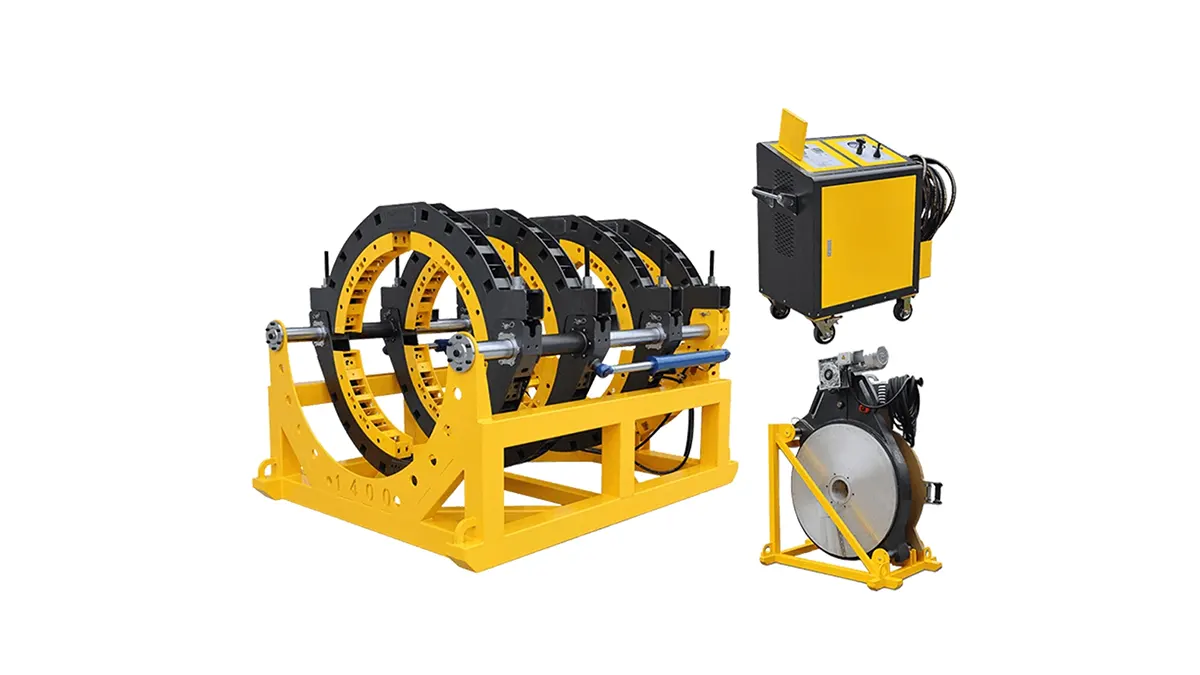
| Hydraulic Butt Fusion | 63–1200 mm+ | Municipal, industrial, gas distribution |
| CNC Automatic Fusion | 90–6300 mm (models vary) | Large-diameter pipelines, high-throughput projects |
Maintenance, Support & Spare Parts
Routine maintenance lowers breakdown risk in harsh Saudi environments: protect hydraulic units from sand ingress, regularly inspect heaters and faces, and stock wear parts like jaws, heaters and facers. On-site training for welders and a responsive spare parts channel help keep projects on schedule.
Getting Started on Your Saudi Project
For contractors, consultants and procurement teams in Saudi Arabia: assess pipe diameters, project tempo, site environment and quality traceability needs before choosing machines. Contact the manufacturer through their official site to request technical specifications, welding procedure recommendations and lead-time estimates tailored to Saudi conditions.



