
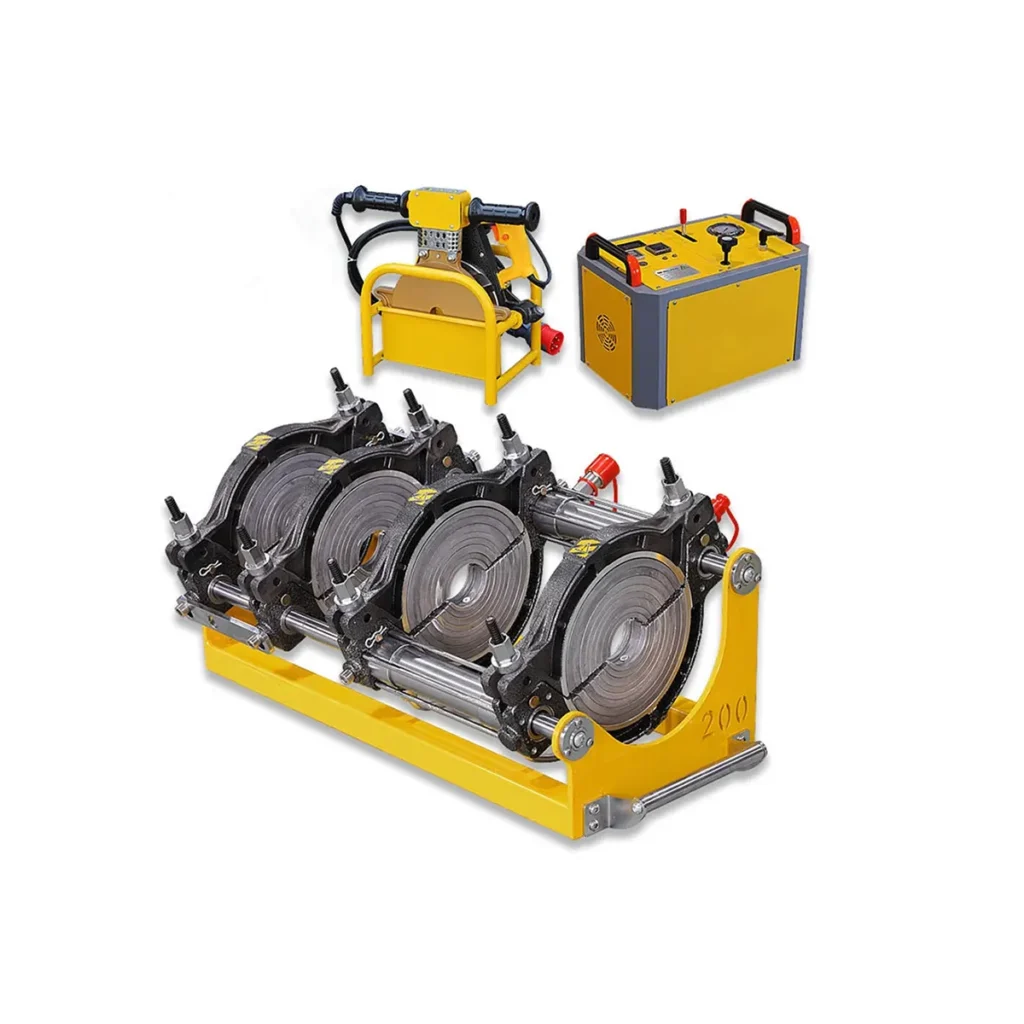
Deciding who is the best HDPE fusion machine manufacturer for projects in Botswana means looking beyond price — reliability, local conditions, and after-sales support matter. Whether you’re working on municipal water networks in Gaborone, irrigation near Maun, or mining pipelines in the Central District, the right butt fusion or electrofusion equipment will save time and lower lifecycle costs.
What Botswana contractors and engineers need
Durability for dusty, semi-arid environments, simple maintenance for remote sites, and machines that handle a broad range of pipe sizes are top priorities for local teams. Projects in Botswana often involve long supply chains and seasonal site access, so predictable delivery and spares availability are essential.
Types of HDPE fusion machines to consider
Manual butt fusion machines are cost-effective, portable, and ideal for repairs and small-diameter work common in rural water supply upgrades.
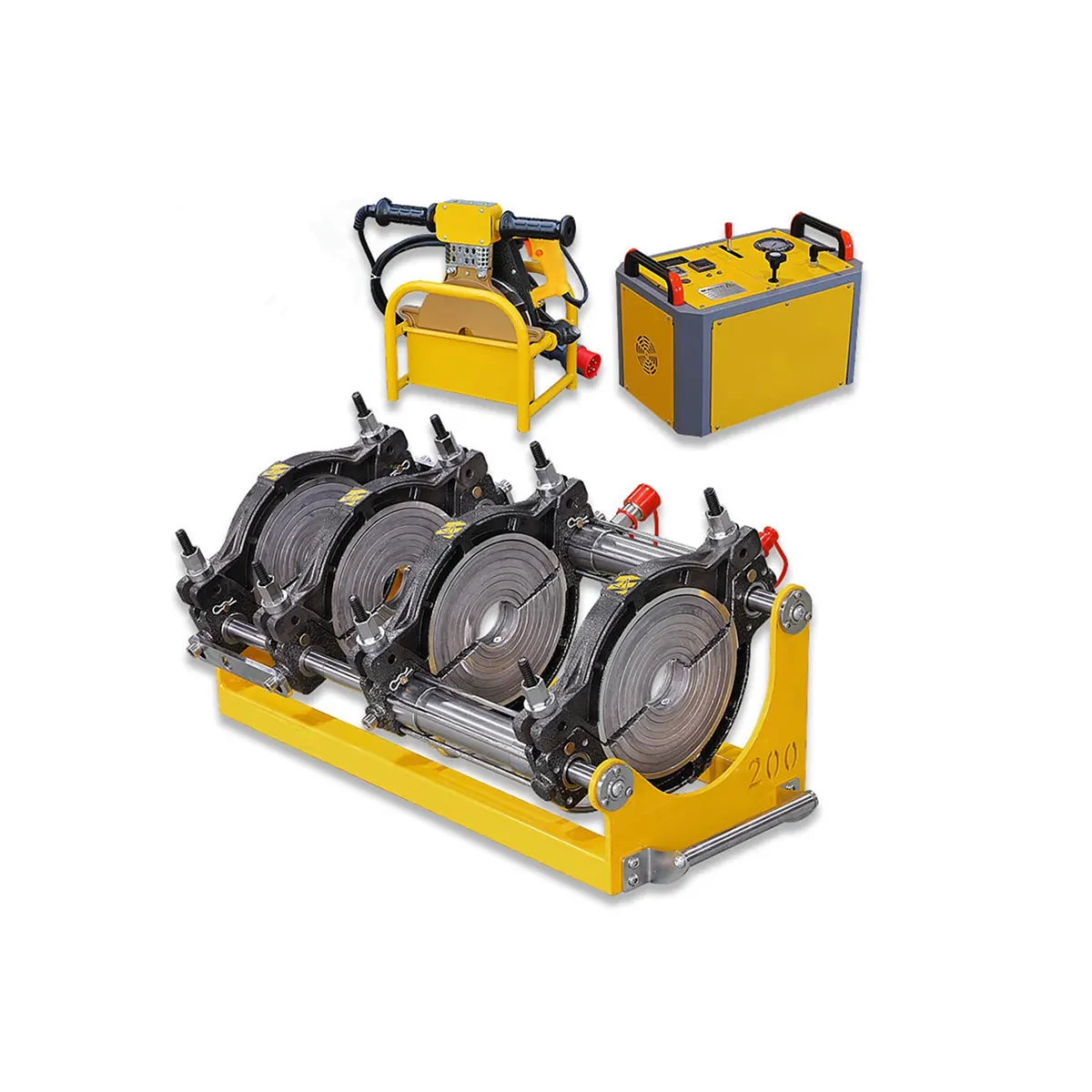
Hydraulic butt fusion machines provide higher clamping force and stable alignment for medium to large-diameter pipes used in municipal and irrigation mains.
Automatic/CNC butt fusion machines deliver repeatable welds for large-scale infrastructure and industrial pipeline projects where consistency and welding records matter.
Electrofusion units are preferred for fittings, saddles, and locations where space or pipe geometry makes butt fusion impractical.
Quick comparison table — choose by job type
| Machine Type | Typical Pipe Range (mm) | Power / Drive | Best For |
|---|---|---|---|
| Manual Butt Fusion | 20–250 | Hand / Mechanical | Small repairs, remote villages |
| Hydraulic Butt Fusion | 90–1200+ | Hydraulic Unit | Municipal mains, irrigation |
| Automatic/CNC Fusion | 160–1000 | Electric / Servo | Large projects, consistent weld records |
| Electrofusion | 20–630 (fittings) | Electric controller | Fittings, taps, complex sections |
Key technical and commercial checks
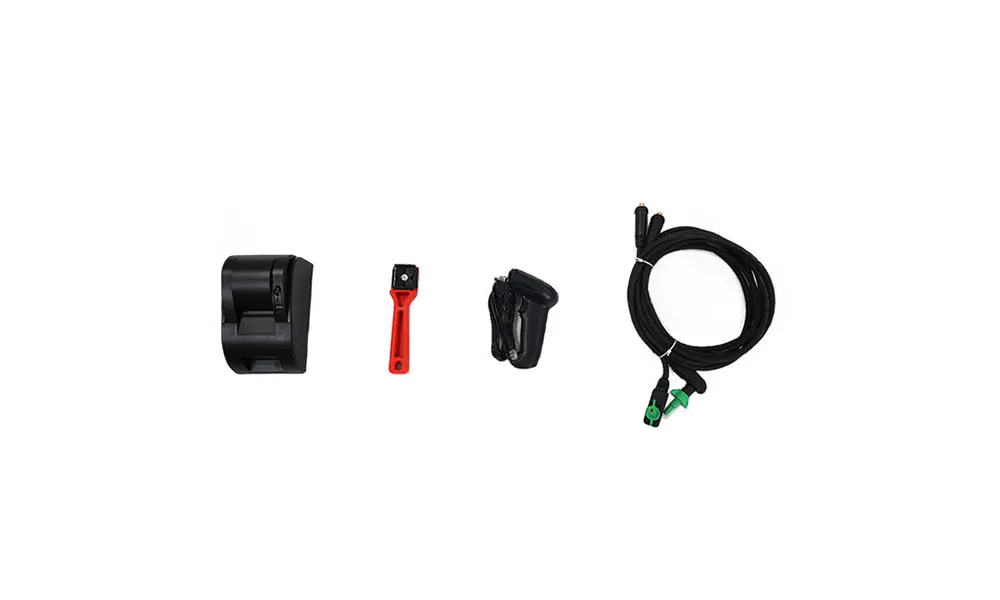
Welding standards & traceability: Ensure machines support recognized fusion procedures and can record welding parameters for quality assurance.
Spare parts & consumables: Verify lead times for heater plates, trimming tools, and clamps; shorter lead times reduce downtime on remote sites.
Training & documentation: On-site operator training and clear manuals reduce rework and improve joint life in Botswana’s demanding conditions.
Local logistics: Choose suppliers familiar with shipping to Botswana (Gaborone, Francistown, Lobatse) and able to advise on customs and VAT considerations.
Why after-sales support matters in Botswana
Botswana’s pipeline projects often operate in remote or seasonal-access areas. Rapid technical support, remote troubleshooting, and access to certified trainers can be the difference between meeting milestones and costly delays. Warranty terms, spare parts stock, and service training should weigh heavily in your purchase decision.
A recommended manufacturer profile
Look for a manufacturer that offers a broad product range (manual, hydraulic, automatic, electrofusion), reliable spare supply, documented quality control, and responsive technical service. For many regional clients, partnering with experienced global manufacturers that provide training and timely spares is ideal — for example, JQ-Fusion provides tailored HDPE fusion solutions and worldwide service support.
Final selection checklist
Match machine type to pipe diameter and project scale.
Confirm spare parts availability and realistic delivery estimates for Botswana.
Check training options and whether the manufacturer offers local or remote support.
Request welding procedure documentation and after-sales contact details before purchase.
Choosing the right HDPE fusion manufacturer reduces downtime, improves joint life, and ensures pipeline projects across Botswana finish on time and within budget.



