
PE pipe welding (HDPE/PE100) is widely used in water, gas, and industrial pipelines, but even experienced crews encounter recurring faults that affect joint integrity. This troubleshooting guide highlights the most common problems, their causes, and practical solutions to help technicians restore weld quality quickly and prevent repeat issues.
Quick Overview: Why Proper PE Welding Matters
Butt fusion and electrofusion are the two main joining methods for PE pipes. Proper heat, pressure, and alignment are essential to achieve a reliable fusion joint. When any parameter is off, common symptoms appear: cold welds, voids, poor bead formation, or over-extrusion. Focused inspection and standardized procedures reduce downtime and rework.
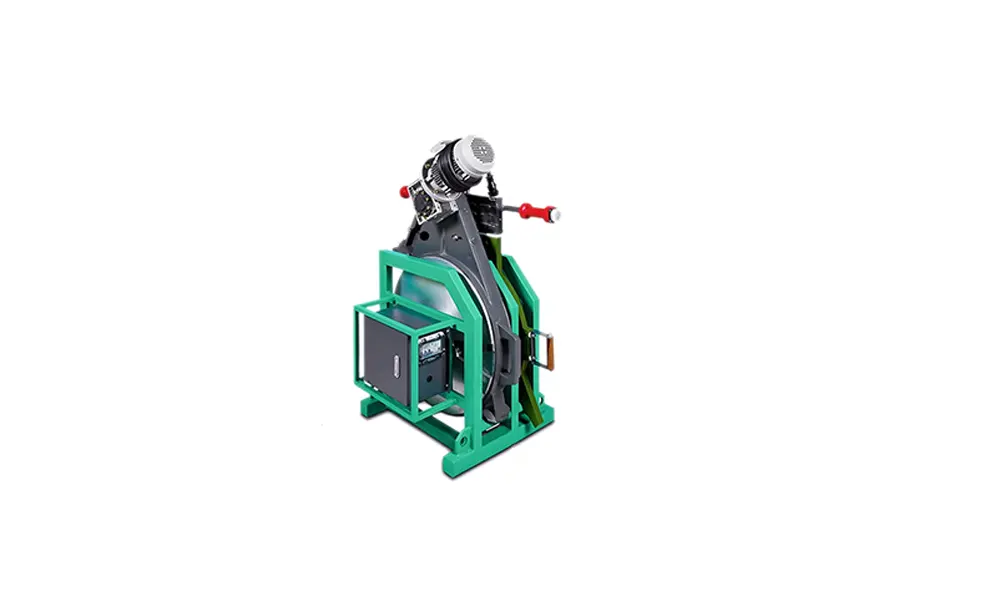
Before You Start: Pre-Weld Checklist
– Clean pipe ends and remove dirt, oxidation, or moisture.
– Confirm pipe SDR/pressure class and wall thickness match welding parameters.
– Verify heating plate temperature and machine calibration.
– Check clamps, alignment jaws, and hydraulic pressure for leaks or slack.
– Use the correct heater plate size and replace scratched or warped plates.
Common Welding Problems and Root Causes
Below is a compact reference table for quick field diagnosis.
| Problem | Likely Cause | Quick Fix |
|---|---|---|
| Cold weld / Lack of fusion | Insufficient heating time/temperature or low pressure during soak | Reheat to specified temp, increase soak time and pressure to spec |
| Excessive melt-back / Flash | Too much heating or excessive upset pressure | Reduce heater temp/time and control upset to recommended bead size |
| Uneven bead / Asymmetric joint | Poor alignment or uneven clamping pressure | Realign pipes, inspect clamp jaws, retighten uniformly |
| Contamination (black specks, inclusions) | Dirty pipe ends, grease, or foreign particles | Clean and re-trim pipe ends; replace contaminated heater plate |
| Surface whitening / Oxidation | Overheating or prolonged exposure at high temp | Reduce temperature/time and discard compromised ends |
Detailed Troubleshooting: Cold Weld (Lack of Fusion)
Symptom: The fusion bead appears shallow, separate under low load, or destructive testing shows insufficient melt. First confirm heating plate temperature with a calibrated thermometer. For manual equipment, heater thermostats can drift—use an independent surface pyrometer. Recheck fusion charts for pipe material and diameter: time and pressure scale with wall thickness.
Steps to Resolve
– Reface the pipe ends to remove any oxidized or distorted material.
– Clean with a dry cloth and ensure no lubricants remain.
– Increase heater temperature or extend heating time according to the manufacturer’s weld schedule.
– Maintain proper backing/soak pressure for the specified duration before upsetting.
Problem: Excessive Flash or Melt-Back
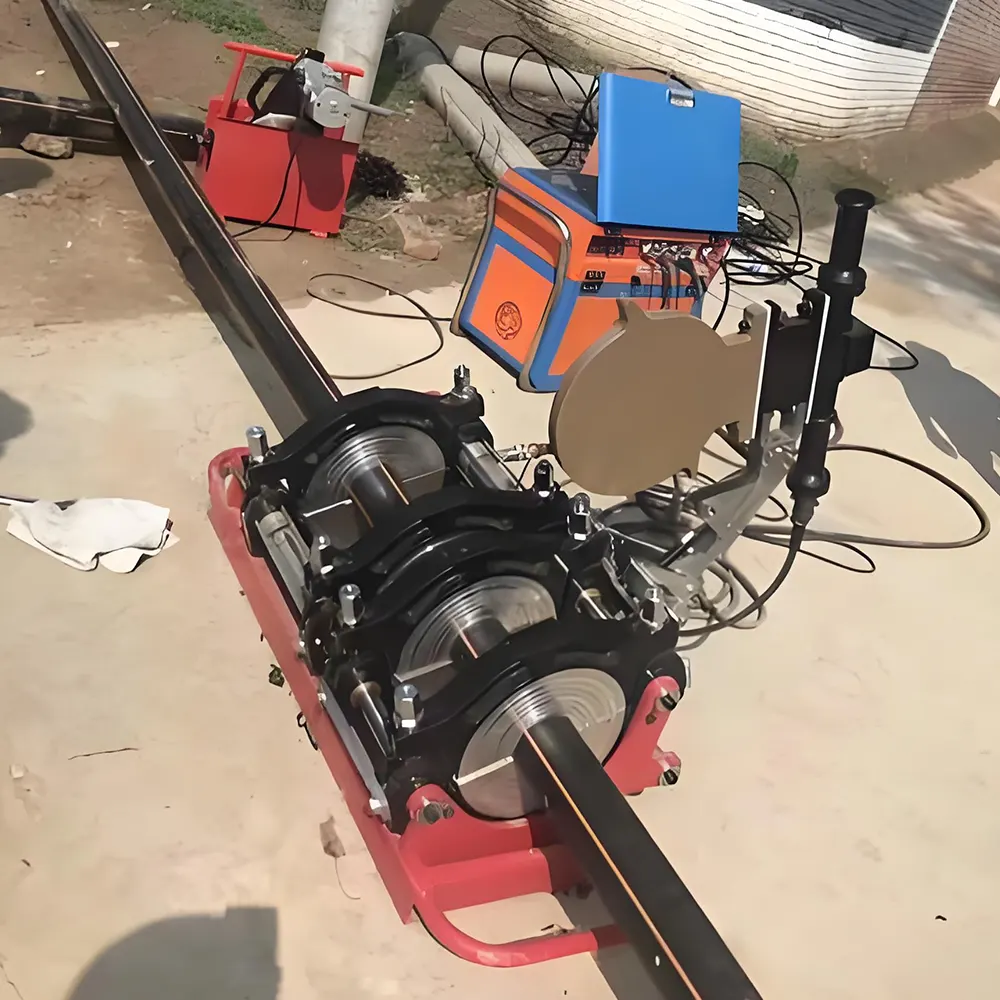
Symptom: Large beads or heavy extruded flash that indicates over-penetration. Excessive flash can mask porosity and weaken a joint.
How to Correct
– Reduce heating time or surface temperature in small increments and test.
– Verify that the heater plate does not stick—clean with a non-metal scraper and wipe with isopropyl alcohol only when cool.
– Control upset rate: apply steady, consistent pressure during the upset stage; avoid rapid hydraulic surges.
Contamination & Surface Issues
Foreign material causes local cold spots or inclusions. In field environments (dusty trenches, coastal humidity), extra care is needed:
- Trim pipe ends with a sharp facing tool—do not reuse the removed rumple.
- Use protective covers for heater plates between cycles.
- If grease or oil is present, discard the affected length and reface beyond contamination.
Quality Checks After Welding
– Visual inspection: consistent bead width and smooth transition.
– Simple destructive test (if allowable): notch or bend test to confirm fusion.
– Non-destructive options: ultrasonic testing and hydrostatic pressure testing to validate joint integrity.
– Record weld parameters (temp, time, pressure, operator, ambient) for traceability.
Maintenance Tips for Welding Machines
Prevent many common faults with a short preventative maintenance routine: check hydraulic oil level and filters, inspect heater plate surfaces and thermostats, verify clamp jaw teeth, and calibrate pressure gauges annually. Replace worn or warped plates and keep spare thermocouples.
Field Troubleshooting Quick Guide
If a joint fails inspection: mark and isolate the joint, cut out compromised section, and rejoin with a fresh facing and proper welding cycle. Always document cause and corrective action to prevent recurrence.
When to Call Manufacturer Support
If repeated parameter adjustments do not correct a fault, seek machine diagnostics for electrical or hydraulic faults, or consult the machine manual. For equipment replacement parts, upgrades, or training resources, contact JQ-Fusion for authorized parts and technical assistance.



