
PE electrofusion welding machines are the standard solution for joining HDPE pipes and fittings with controlled heating through electrofusion couplers. This guide explains what these machines are, how they operate, where to use them, and how to choose the right model for your projects.
What Is a PE Electrofusion Welding Machine?
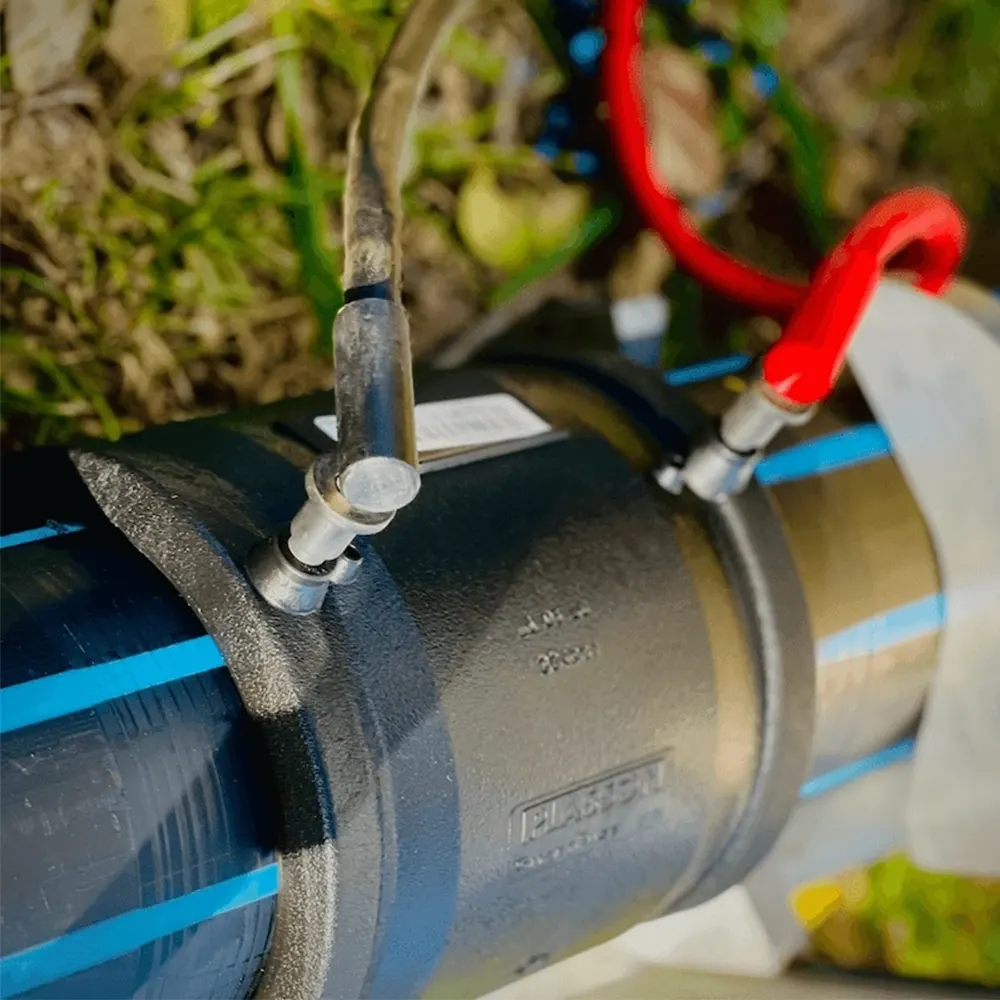
A PE electrofusion welding machine supplies a regulated electric current to an electrofusion fitting’s embedded heating coil. The heating coil melts the inside of the fitting and the outside of the pipe, creating a uniform molecular bond when cooled. Electrofusion is widely used for repair work, branch connections, and installations where space or access limits butt fusion methods.
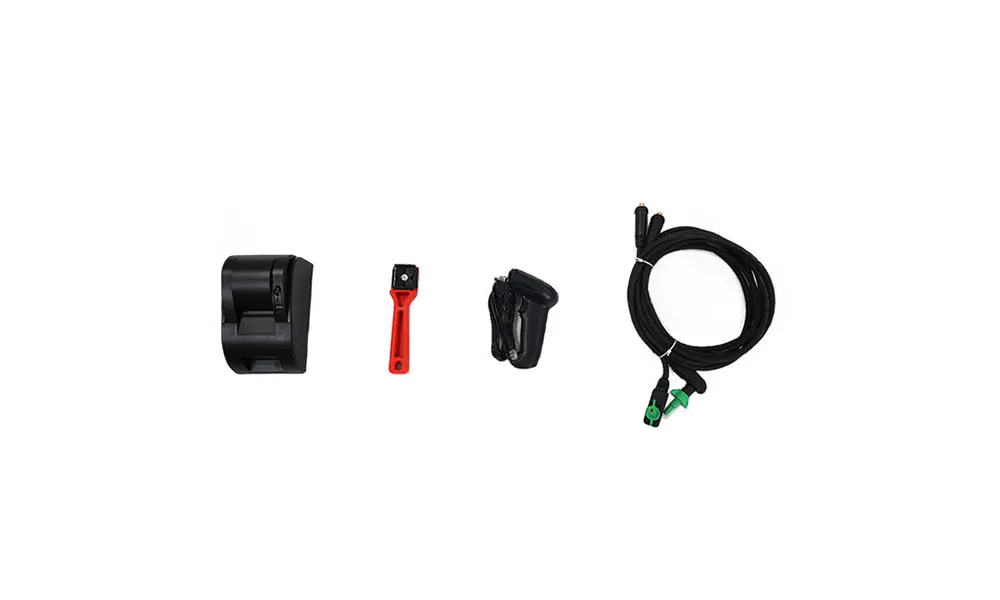
Key Components
Power supply: provides stable voltage and current.
Control unit: sets welding parameters and records the weld cycle.
Clamps and adapters: hold pipe and fitting steady during welding.
Test protocols & printer/data export: capture weld data for quality assurance.
How Electrofusion Works — Step by Step
Each weld follows a precise sequence to ensure joint integrity:
1. Preparation: Clean, scrape, and align the pipe and fitting surfaces to specified standards.
2. Clamping: Secure components in a suitable clamp to prevent movement.
3. Connection: Attach the machine leads to the fitting’s terminals and enter the welding code or parameter set.
4. Heating: The control unit delivers the programmed current/time profile; the embedded coil melts the thermoplastic interface.
5. Cooling: Maintain clamping for the full cooling time to allow recrystallization and prevent weak joints.
6. Documentation: Save or print the weld record for traceability.
Why Proper Parameters Matter
Voltage, current, welding time, and ambient temperature all affect fusion quality. Modern machines automate the process using barcode- or RFID-scanned fusion codes from fittings to eliminate operator guesswork and reduce failures.
Common Applications
Electrofusion is preferred for:
– Repair and maintenance of buried gas and water mains
– Service connections and branches in tight spaces
– Trenchless installations and confined areas
– Joining different pipe diameters using couplers and reducers
How to Choose the Right Electrofusion Machine
Selecting the optimal machine depends on project scale, environment, and quality control needs. Consider these factors:
Pipe sizes supported: Ensure the machine and clamps handle the diameters you work with.
Power and portability: Battery or mains power, inverter technology, and weight affect field usability.
Control & traceability: Barcode/RFID reader, internal memory, USB/Bluetooth export, and printable reports.
Automation level: Manual units suit small jobs; semi-auto and fully automatic models speed repeated production welds.
Environmental tolerance: Temperature compensation and IP-rated housings for harsh sites.
Certifications & training: Look for machines compliant with local standards and supplier training options.
Quick Comparison Table
| Model Type | Best For | Typical Features |
|---|---|---|
| Portable Battery Units | Field repairs, remote sites | Lightweight, rechargeable battery, basic logger |
| Workshop / Bench Units | Controlled environment production | High accuracy, printer, advanced memory |
| High-Capacity Industrial Units | Large-diameter pipelines, long runs | High current output, robust cooling, automation |
Maintenance & Safety Tips
Regular maintenance and safe practices extend machine life and ensure weld quality:
Keep connectors and leads clean and inspect for wear.
Store units dry and at recommended temperatures.
Always follow welding codes on the fitting label and respect cooling times.
Use PPE: gloves, eye protection, and safe lifting techniques for heavy clamps.
Frequently Asked Questions
Q: Can electrofusion be used for all HDPE materials?
A: Most PE100 and PE80 pipes are compatible, but always check fitting manufacturer recommendations and welding codes.
Q: How is weld quality verified?
A: Through saved machine data, destructive testing samples in QA environments, and visual inspection of proper bead formation.
Q: What training is required?
A: Operators should be certified per local regulations; many manufacturers provide training and operation manuals to ensure compliance.
Supplier Note
For dependable electrofusion machines and support, JQ-Fusion offers a range of portable, bench, and industrial solutions with traceability features and service options. Visit https://jq-fusionwelding.com/ for detailed specifications and local distributor contacts.



