
Choosing the right PE gas pipe welding equipment is critical for safe, leak-free gas distribution systems. The right machine improves joint integrity, reduces rework, and ensures compliance with industry standards. This guide explains how to evaluate butt fusion and electrofusion equipment for PE gas pipes, what features matter most, and how to match a machine to your project needs.
Why correct welding equipment matters for PE gas pipelines
Gas distribution requires high-integrity joints because failures can cause leaks, service interruptions, and safety hazards. Proper welding equipment ensures consistent heating, precise alignment, and controlled cooling — all essential to produce strong, homogeneous PE welds. Investing in the right technology also speeds up field installation and supports traceability for regulatory inspections.
Main machine types and when to use them
Different site conditions and project scales call for specific welding solutions:
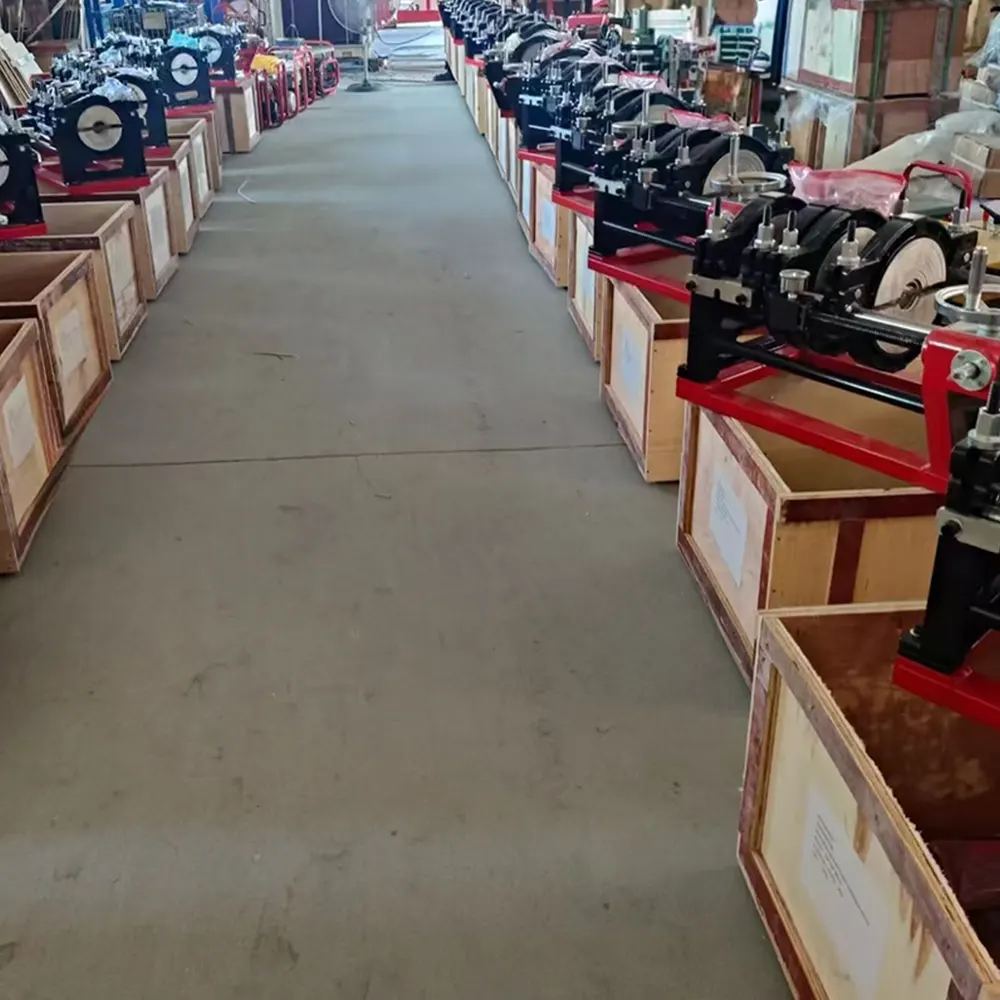
- Manual butt fusion machines — Best for small projects, remote sites, and low-volume repairs. Portable, economical, and easy to service in the field.
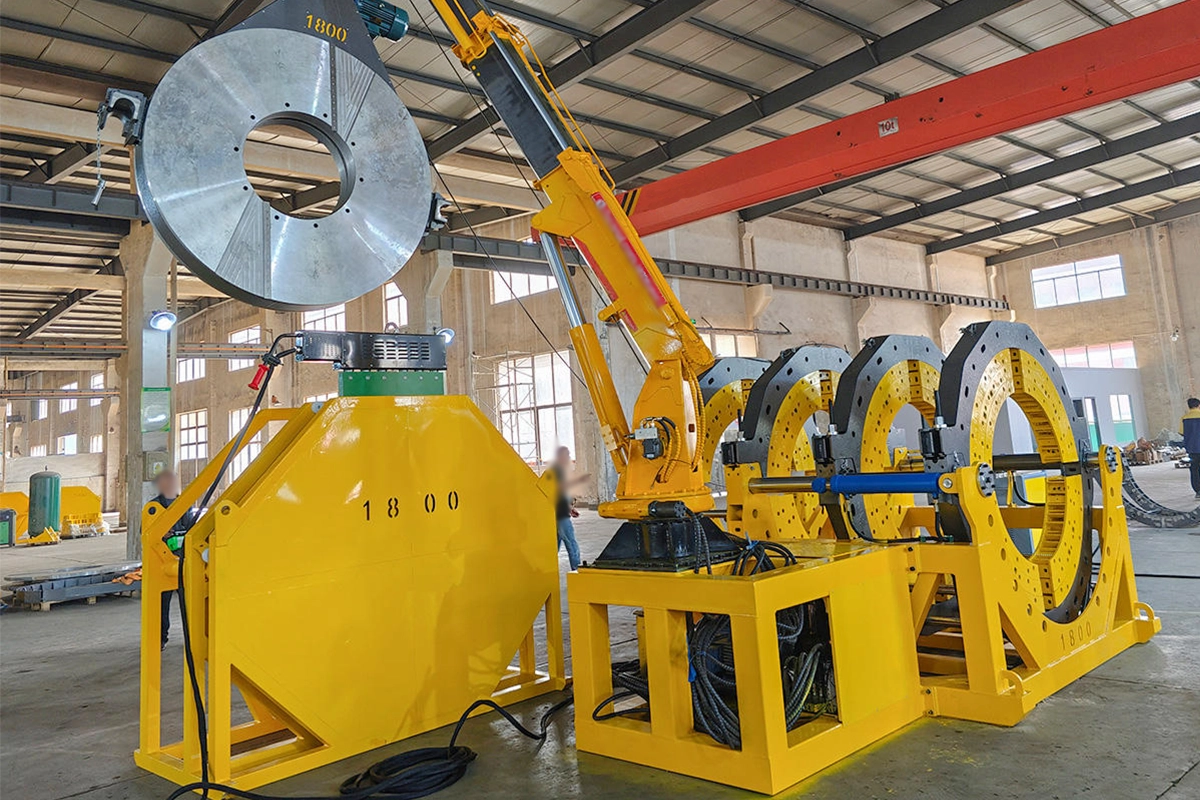
- Hydraulic butt fusion machines — Ideal for medium to large-diameter pipes and continuous pipeline installation. Provide steady clamping force and better control on heavier assemblies.
- Automatic/CNC butt fusion machines — Suitable for high-volume production or strict QC requirements. Offer programmable cycles, data logging, and repeatable weld quality with minimal operator variability.
- Electrofusion machines — Used for fittings and smaller diameter connections where electrofusion couplers are specified. Provide localized heating and are often chosen for repairs or complex networks.
Quick comparison
| Machine Type | Best For | Pipe Range | Key Advantage |
|---|---|---|---|
| Manual Butt Fusion | Repairs, small crews | Ø20–Ø630 mm | Portable & cost-effective |
| Hydraulic Butt Fusion | Large pipelines | Ø160–Ø2000 mm+ | Stable force & scalable |
| Automatic/CNC | High-volume installs | Ø63–Ø1250 mm | Traceability & repeatability |
| Electrofusion | Fittings & repairs | Ø20–Ø630 mm | Precision on fittings |
Technical features to prioritize
Focus on features that directly affect weld integrity and operator efficiency:
- Clamping and alignment system: Rigid clamps and accurate alignment prevent weld defects from misaligned faces.
- Heating plate quality: Even temperature distribution and fast recovery minimize cold or overheated zones.
- Pressure and timing control: Electronic control or reliable gauges ensure correct fusion pressures and cycle times.
- Data logging and traceability: Automatic recording of cycle parameters is vital for gas network audits and warranties.
- Power and mobility: Battery or generator compatibility for remote sites; consider weight and transportability for frequent moves.
Standards, certification, and safety
Gas network projects must meet local regulations and recognized standards. Look for equipment and procedures that support compliance with relevant gas pipeline standards and installer qualifications. Ensure operators are trained in butt fusion and electrofusion techniques, and that machines can produce records suitable for regulatory inspection.
Practical checklist before purchase
Use this short checklist to narrow choices quickly:
- Match machine capacity to your largest pipe diameter and expected throughput.
- Verify heating plate and clamp compatibility with PE materials used for gas (e.g., PE80/PE100).
- Confirm availability of spare parts and local service support.
- Ask for demonstration welds or sample weld records if possible.
- Check data logging features for quality assurance and project traceability.
Getting the right partner
Choose a manufacturer with proven experience in HDPE butt fusion solutions and a record of supplying reliable machines for gas distribution. For robust, customizable butt fusion and electrofusion equipment, visit JQ-Fusion at https://jq-fusionwelding.com/ to explore models, technical specifications, and service options.



