
Butt fusion welding is the backbone of durable HDPE pipeline installations. Precision butt welders deliver leak-free joins, repeatable heat control, and consistent bead formation—essential for water, gas, mining, and industrial pipeline systems. This guide helps procurement teams and contractors choose the right butt welder maker for reliable, high-precision welding machines.
Why Precision Matters in Butt Fusion Welding
Precision in temperature, alignment, and pressure determines weld strength and lifecycle performance. Modern butt welders combine mechanical rigidity with accurate control systems to minimize rework, reduce downtime, and ensure compliance with pipeline specifications. For infrastructure projects where safety and longevity matter, investing in a precise welding solution is non-negotiable.
Core Machine Categories
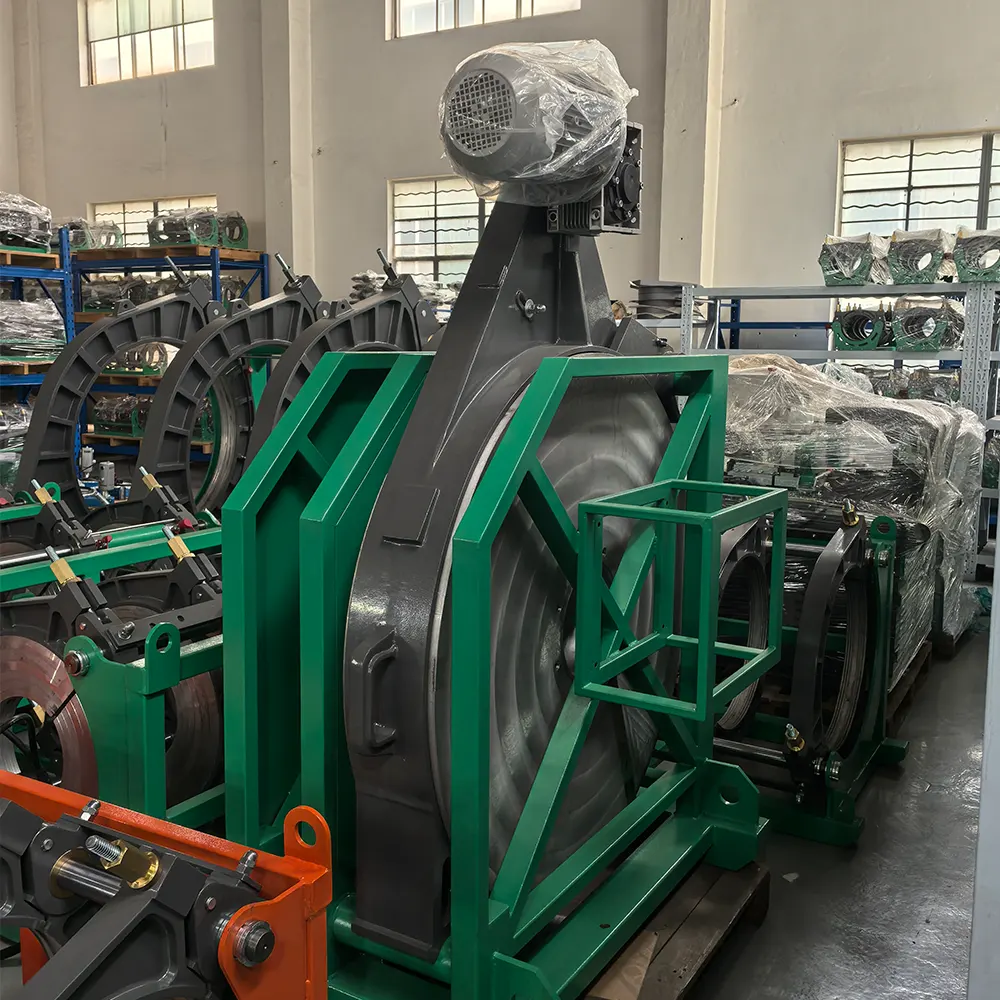
Manufacturers typically offer three main butt fusion machine types to suit different project scales:
- Manual machines – Lightweight, field-friendly, ideal for small-diameter pipes and remote sites.
- Hydraulic machines – Greater clamping force and control for medium to large diameters; robust for heavy-duty pipeline work.
- CNC automatic machines – Programmable profiles, data logging, and repeatable cycles for high-volume or certified projects.
Quick Comparison – At a Glance
| Machine Type | Pipe Range | Control | Best For |
|---|---|---|---|
| Manual Butt Welder | 16mm – 315mm | Operator-controlled | Small jobs, repairs |
| Hydraulic Butt Welder | 63mm – 1600mm+ | Precision hydraulic | Municipal & industrial pipes |
| CNC Automatic Welder | 90mm – 1250mm | Programmable & recorded | Large projects, certified installs |
Critical Features to Compare
When evaluating butt welder makers, prioritize features that reduce variability and speed up deployment:
- Heating plate quality — uniform heating and durable non-stick coatings.
- Alignment & clamping system — rigid frames and adjustable clamps for concentricity.
- Control & data logging — automatic cycles, temperature sensors, and exportable weld reports for traceability.
- Serviceability — modular components, readily available spares, and clear maintenance guides.
Selecting the Right Model: A Short Checklist
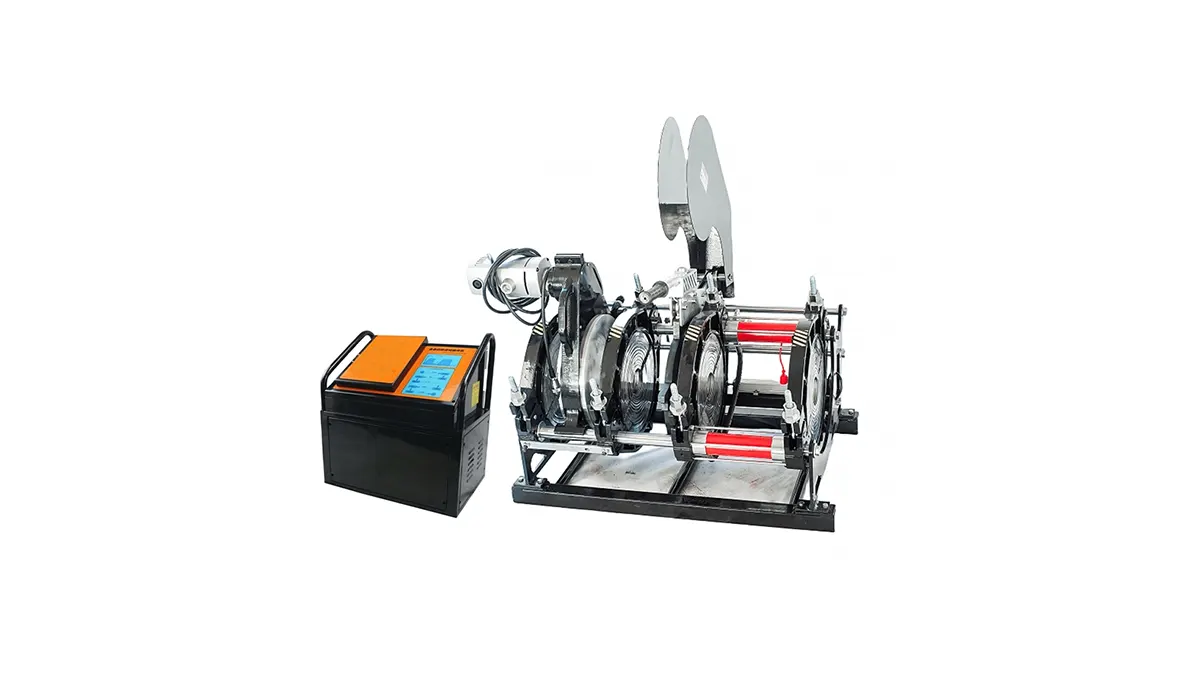
Match machine capabilities to project needs:
- Define pipe diameters, materials, and joint types.
- Estimate daily weld counts to choose manual vs. automatic.
- Confirm required documentation and quality traceability.
- Check power, weight, and transport constraints for field use.
Maintenance & On-Site Best Practices
Routine checks extend machine life and preserve weld quality. Focus on cleaning heating plates, verifying sensor calibration, inspecting hydraulic lines, and keeping a log of maintenance actions. Train operators in consistent preheat and alignment routines to minimize defects.
Applications Where Precision Welders Shine
Butt fusion machines are used across sectors including potable water mains, gas distribution networks, mining slurry pipelines, and chemical processing plants. Projects with regulatory oversight benefit most from automatic welders with data logging.
Partnering with a Reliable Manufacturer
For proven HDPE butt fusion solutions backed by production experience and global service, consider suppliers with a wide range of manual, hydraulic, and CNC automatic models and strong quality control. JQ-Fusion offers such options and supports diverse pipeline projects worldwide.
Ready to specify a butt welder for your next project? Request technical data sheets and weld traceability options from manufacturers, compare feature sets, and plan operator training before procurement.
For product inquiries, visit JQ-Fusion.



