
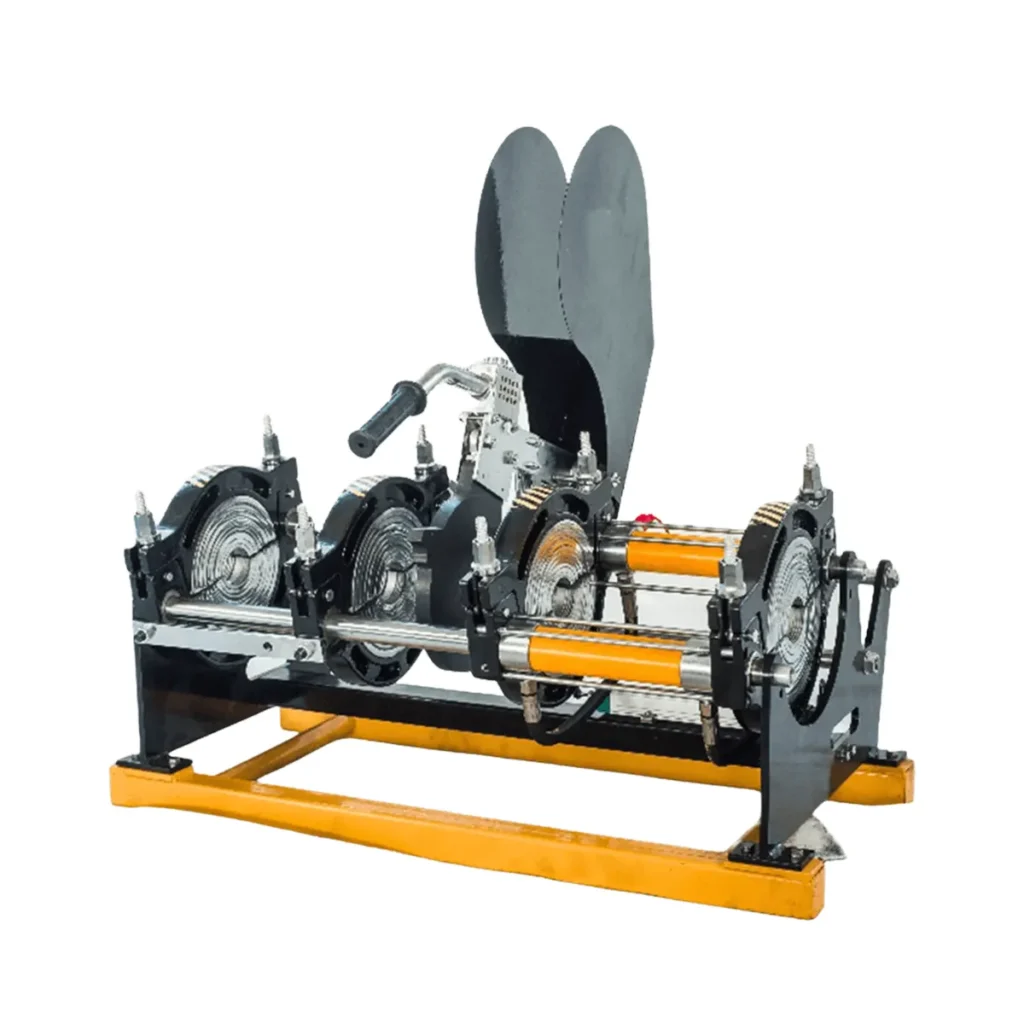
Polyethylene (PE) pipe welding temperature is the single most important variable when performing butt fusion or electrofusion on HDPE and MDPE pipelines. Correct temperature control ensures molecular diffusion at the joint, producing a durable, leak-free weld. This guide explains the practical temperature standards, adjustments for pipe type and diameter, and best practices to achieve consistent fusion and long-term performance.
Why Temperature Matters in PE Pipe Welding
Temperature controls the melt layer thickness and active molecular mobility. If the interface is too cool, the joint will be weak due to incomplete fusion; if too hot, the material can degrade, creating voids and embrittlement. For both butt fusion and electrofusion, maintaining the correct heating surface temperature and adhering to prescribed heating times is critical to meet mechanical and hydraulic integrity standards.
Key physical effects of correct temperature
– Adequate melt promotes chain entanglement across the interface.
– Uniform temperature reduces thermal stress and distortion.
– Avoidance of oxidation and polymer degradation at excessive temperatures.
Standard Temperature Ranges (Butt Fusion & Electrofusion)
Below are commonly accepted temperature ranges used in field practice. These values should be verified against specific pipe manufacturer’s recommendations and relevant standards (ISO 21307, ASTM F2620, or local codes).
| Process | Material | Heating Plate / Fusion Temp (°C) | Typical Notes |
|---|---|---|---|
| Butt Fusion | PE80 | 200 ± 10°C | Common for PE80; adjust ±5–10°C by pipe SDR and ambient |
| Butt Fusion | PE100 | 200 ± 10°C | Same nominal plate temp; time & pressure vary with SDR |
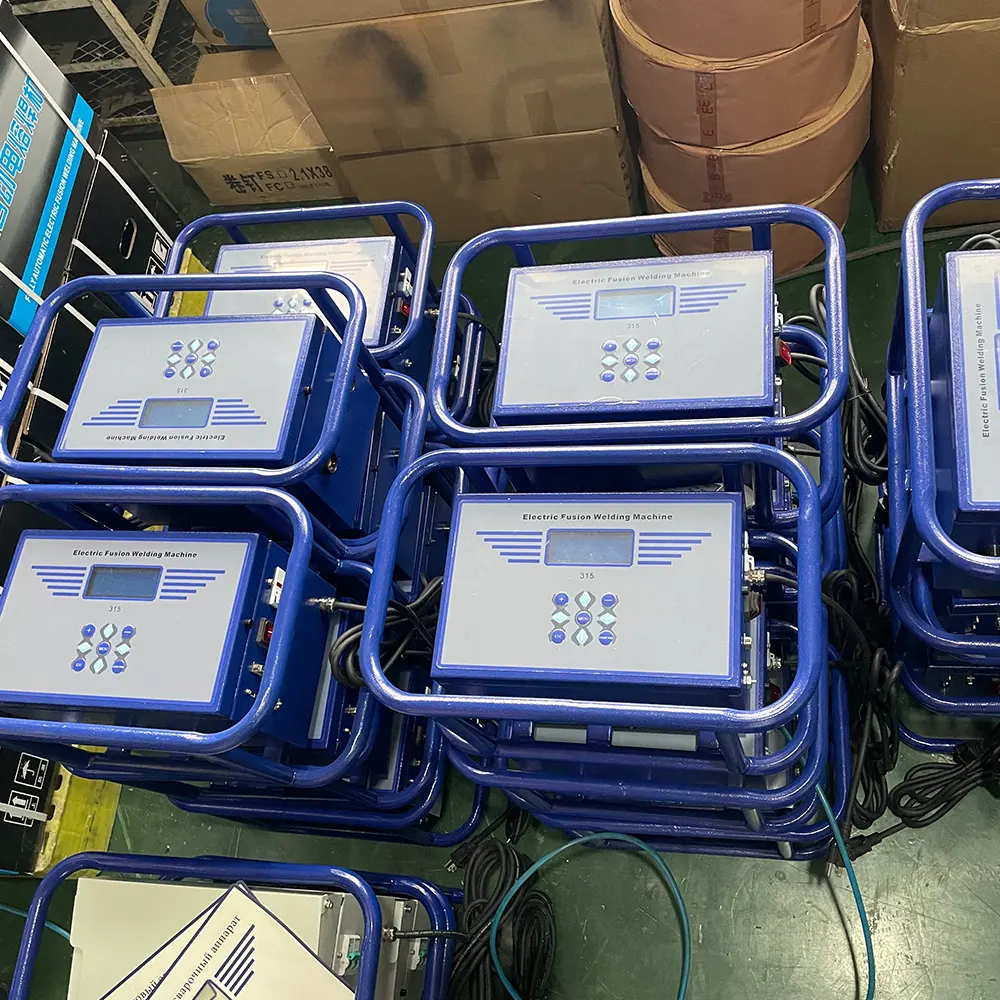
| Electrofusion | PE80 / PE100 (socket couplers) | Typically 220–260°C (internal heater element) | Controller-programmed cycles; follow fitting label |
| Trimming / Facing | All PE types | Room temperature tools; avoid overheating ends | Remove oxidation and ensure square faces before heating |
Temperature vs. Time: Practical Guidance
Correct fusion requires combining the right temperature with proper heating time, pressing force, and cool-down. Below is a concise timing guide for manual and automatic butt fusion machines:
| Pipe OD (mm) | Heating Time (s per mm of wall thickness) | Soak / Fusion Time |
|---|---|---|
| ≤160 mm | 6–10 s/mm | 30–60 seconds after crest contact (depends on SDR) |
| 160–500 mm | 8–12 s/mm | 60–180 seconds depending on wall thickness |
| >500 mm | 10–15 s/mm | 180+ seconds; follow machine manufacturer tables |
Notes on timing
– Automatic controllers on modern machines calculate times from material type and wall thickness; verify values before welding.
– For electrofusion, fusion time is set by the fitting’s barcode or technical data—do not shorten cycles.
Adjusting for Ambient Conditions and Pipe Size
Ambient temperature, wind, and wet surfaces affect heat loss. In cold climates reduce heat loss by:
Cold weather adjustments
– Increase heating time by 10–30% depending on severity.
– Use windbreaks and dry clamping surfaces.
– Pre-warm the pipe ends slightly if surface temperature is very low.
Large-diameter and thick-wall pipes
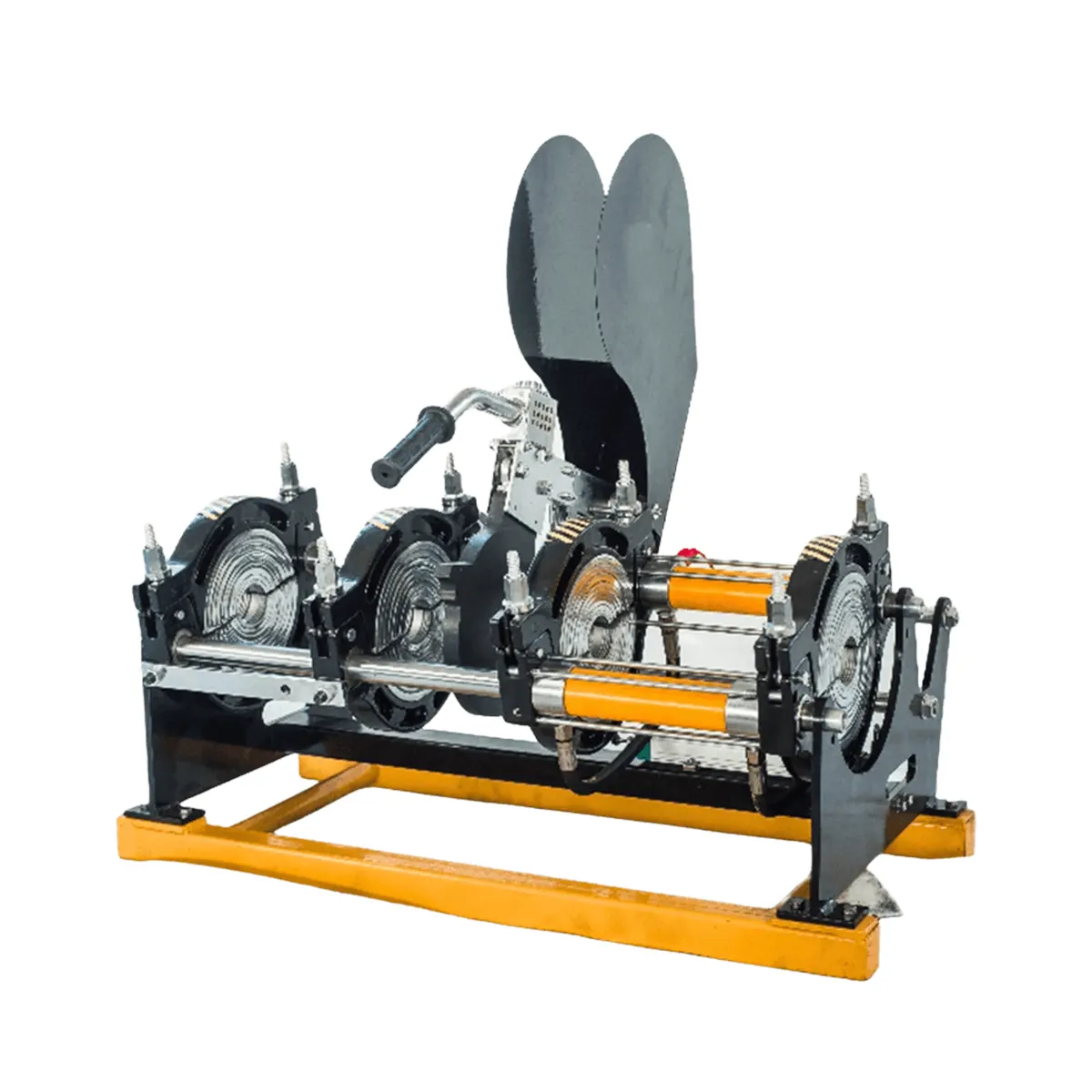
Thicker walls require proportionally longer heating and consolidation times. Use hydraulic or CNC-controlled machines for consistent pressure and timing across large diameters.
Pressure and Temperature Interaction
Pressure consolidates the molten interface and expels contaminants. Recommended approach:
Butt fusion sequence (simplified)
1. Align and clamp pipes under light contact pressure.
2. Face ends to remove oxidized layer.
3. Apply heating plate at the target temp (approx. 200°C).
4. Use correct heating time based on wall thickness.
5. Remove plate and apply fusion pressure for consolidation.
6. Hold until cooled to specified temperature (or time) before disturbing the joint.
Common Temperature-Related Welding Defects & Remedies
– Cold weld (incomplete fusion): Increase plate temp or heating time; check facing quality.
– Overheated weld (degradation): Reduce plate temp; check for charred or bubbly surface and discard if degraded.
– Non-uniform bead: Confirm flat, clean heating plate and stable pressure during fusion.
Quality Control and Verification
Implement routine checks to validate temperature control and weld integrity:
– Record heating plate temperature and time for every fusion cycle.
– Use pyrometers or calibrated sensors on heaters and periodically calibrate controllers.
– Perform visual inspection of bead appearance and cross-section checks when required.
– Carry out destructive tests (e.g., tensile, bend) for sample verification per project QA plans.
Practical Tips for Field Technicians
– Always clean heating plates and inspect for flatness before starting.
– Replace heater cartridges or controllers exhibiting inconsistent temps.
– Train operators on both temperature monitoring and proper facing procedures.
– Keep a weld log with material batch, ambient conditions, operator, and machine settings.
Recommended Equipment
Use reliable heating systems and controllers—modern automatic butt fusion machines with accurate temperature control and data logging provide the best consistency for large projects. Manufacturer example: JQ-Fusion (https://jq-fusionwelding.com/).
Quick Reference: Do’s and Don’ts
Do: verify heater temperature with a calibrated sensor; follow fitting barcode instructions for electrofusion; log each weld.
Don’t: rely on machine default times without checking SDR and wall thickness; weld on wet or dirty surfaces.
Frequently Asked Questions
What is the ideal plate temperature for PE100?
Aim for about 200°C (±10°C) for butt fusion, adjusting slightly for SDR and ambient conditions.
Can I speed up welding by increasing temperature?
No. Excessive temperature risks polymer degradation and weak joints. Increase heating time rather than temperature within recommended limits.
Final Notes
Temperature control must be combined with correct facing, alignment, pressure, and cooling procedures to produce dependable PE pipe joints. Following standardized temperature ranges and documented machine parameters will deliver consistent fusion, minimize rework, and extend pipeline service life.



