
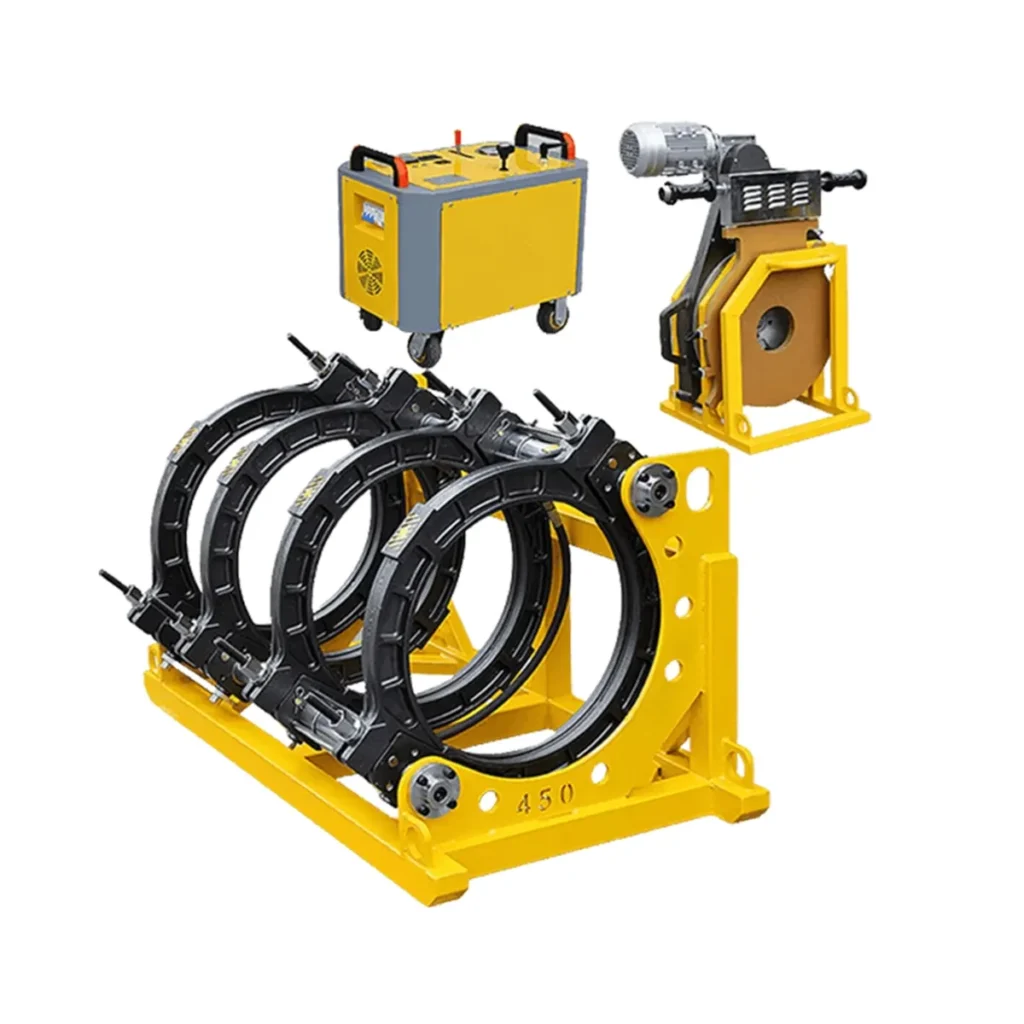
Choosing the right plastic pipe welding machine in Uzbekistan requires balancing durability, precision, and after-sales support. This guide helps contractors, utility companies, and distributors in Uzbekistan evaluate butt fusion and electrofusion equipment for irrigation, water supply, gas distribution, and municipal projects in an arid climate with high seasonal demand.
Why Butt Fusion Machines Matter for Uzbekistan Projects
Butt fusion welding is the preferred method for joining HDPE pipelines used in large-scale irrigation schemes, urban water networks, and gas distribution across Uzbekistan. Machines that deliver repeatable, high-strength joints reduce leaks, minimize maintenance costs, and improve the lifespan of buried pipelines in sandy or high-temperature environments. Local contractors and regional utility operators prioritize machines that are robust, portable, and easy to service on remote sites.
Common Machine Types and Their Best Uses
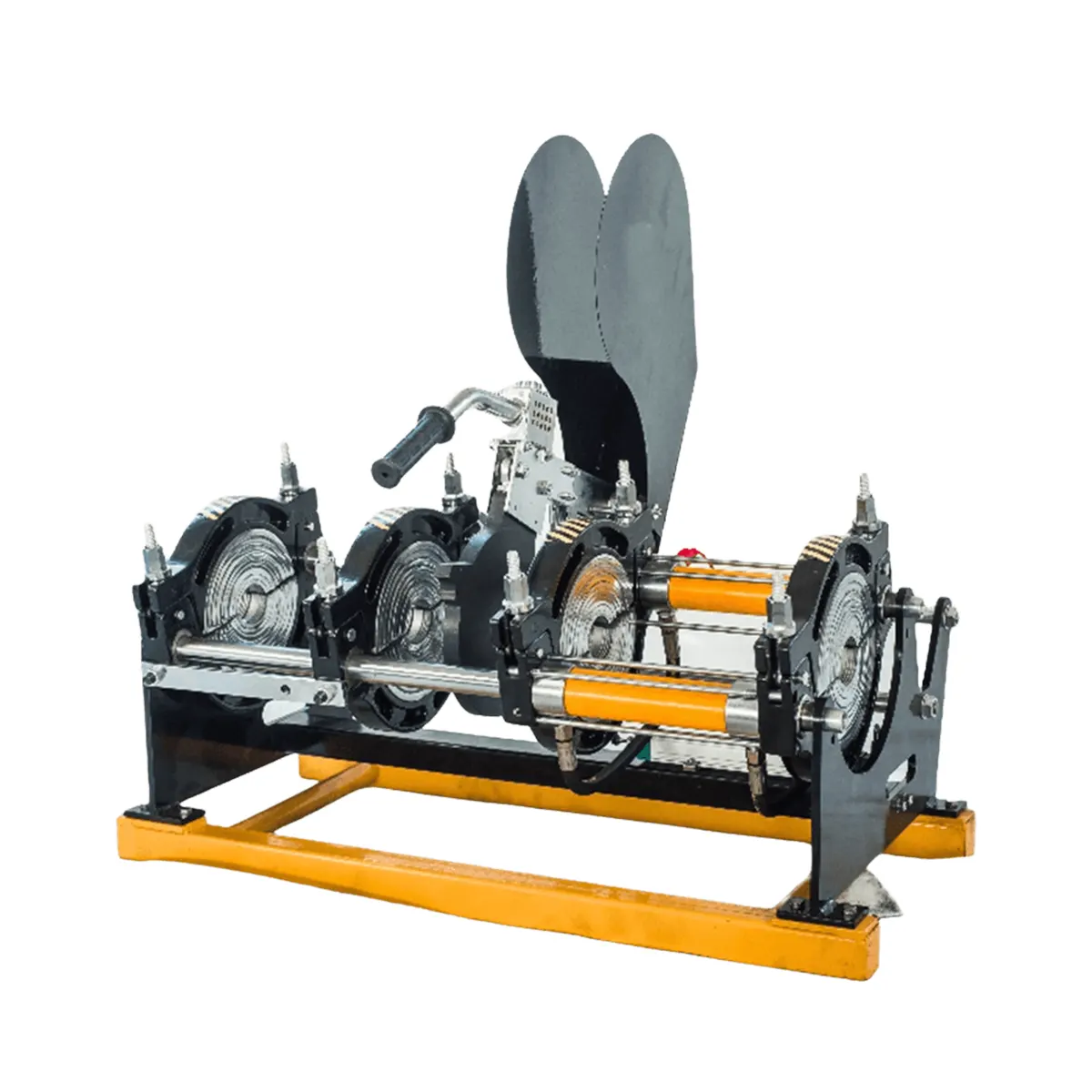
Manual (Mechanical) Butt Fusion: Simple, cost-effective for small-diameter pipes and field repairs. Best for local teams working on smaller irrigation lines.
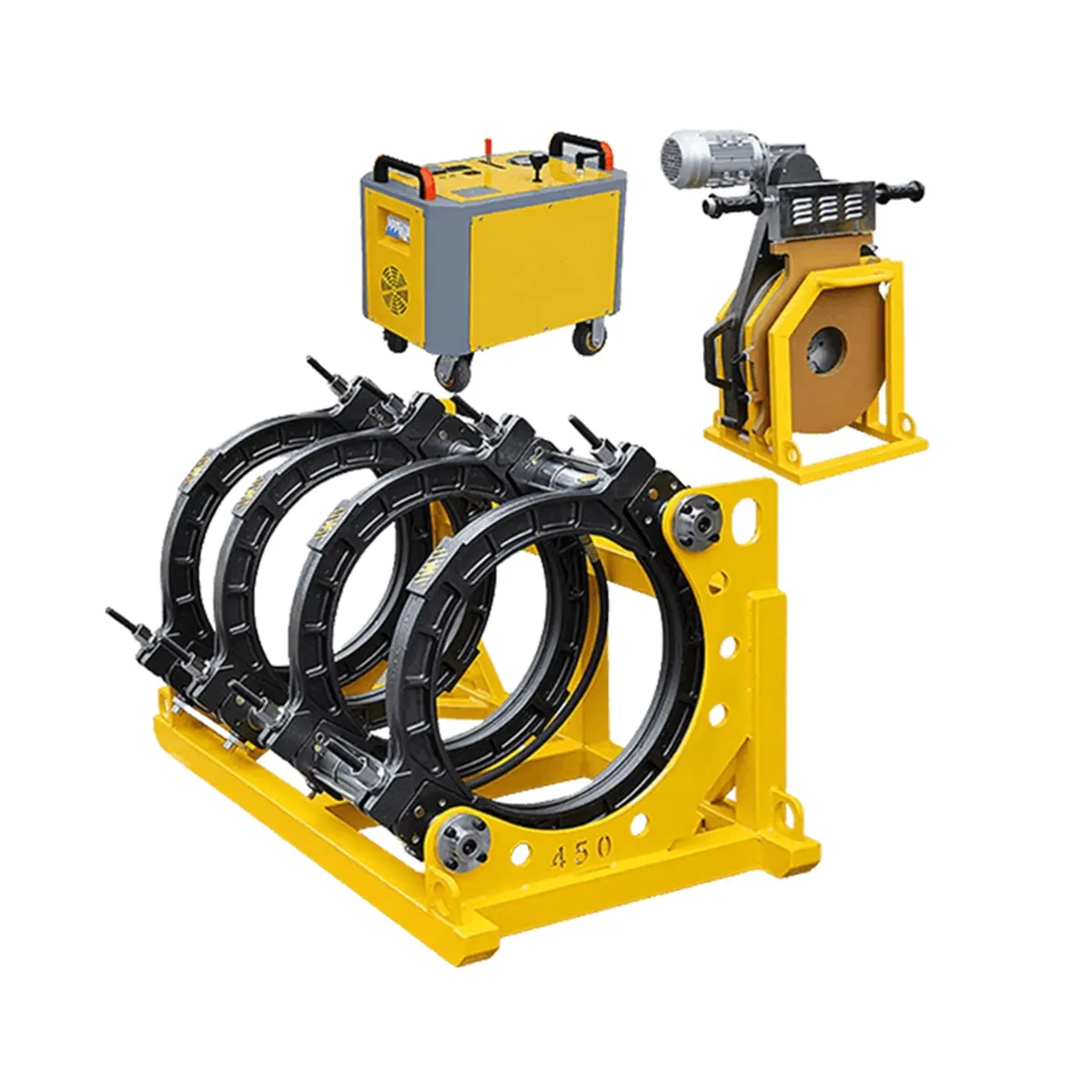
Hydraulic Butt Fusion: Offers higher clamping force and stability for mid-to-large diameters, ideal for municipal water mains and gas pipelines.
Automatic/CNC Butt Fusion: Precision-controlled cycles for consistent joints, suited to contractors executing long-run installations or projects requiring traceable weld records.
Multi-angle/Butt Fitting Machines: Designed for specialty fittings and complex layouts in pipeline distribution hubs.
Electrofusion Units: Used for fittings and repairs where electrofusion couplers are specified; common in tight-site applications and service connections.
Key Features to Prioritize
Diameter range and clamping system: Ensure the machine covers the pipe sizes you install most often (from small service lines to large-diameter mains).
Heating plate and temperature control: Stable heating with accurate temperature control yields reliable fusion beads under Uzbekistan’s variable field temperatures.
Power & portability: Consider machines that run on diesel or 220V/380V and are easy to move between rural fields and urban sites.
Dust and heat resilience: Sealed controls and robust frames are essential for operations in dusty, hot environments.
Spare parts & local serviceability: Readily available consumables (heating plates, scraper blades, clamps) and technicians shorten downtime during peak construction seasons.
Technical Comparison — Typical Model Specs
| Model | Pipe Range (mm) | Control | Ideal Application |
|---|---|---|---|
| Manual/Mobile Units | 20–315 | Manual | Service lines, small irrigation |
| Hydraulic Series | 63–1250 | Hydraulic | Municipal water, gas mains |
| Automatic/CNC Series | 63–1000+ | CNC/PLC | Large projects, traceable weld records |
| Electrofusion Controllers | 20–630 (fittings) | Digital | Service connections, repairs |
Practical Buying Tips for Uzbekistan Buyers
Match capacity to project pipeline: For irrigation modernization programs in the Fergana Valley or large urban water upgrades in Tashkent and Samarkand, select hydraulic or automatic machines that handle the required diameters.
Confirm power options and site logistics: Remote agricultural fields may need generators or diesel-compatible units; ensure shipping and customs timelines fit seasonal work windows.
Standards and documentation: Request weld procedure documentation, calibration certificates, and compatibility with local regulations (project tenders often require traceable QC records).
Evaluating Suppliers — What to Ask
Look for suppliers with factory testing records, spare parts availability, and training programs for on-site operators. Request references from similar projects in Central Asia, check lead times for replacement parts, and confirm warranty & service response times.
For tailored butt fusion solutions and reliable after-sales support, consider contacting JQ-Fusion via https://jq-fusionwelding.com/ to discuss model recommendations and export logistics for Uzbekistan projects.



