
Choosing the right HDPE pipe fusion machine supplier can transform pipeline installation projects—reducing downtime, improving joint strength, and delivering consistent results across water, gas, mining, and industrial systems. This guide highlights reliable butt fusion solutions, practical selection tips, and performance comparisons to help contractors and procurement teams buy with confidence.
Understanding Butt Fusion for HDPE Pipes
Butt fusion is the industry-standard method for joining HDPE pipes by heating pipe ends and pressing them together to form a homogeneous joint. The process yields leak-free connections with mechanical strength comparable to the pipe itself, making it essential for long-term pipeline integrity.
Common applications include municipal water networks, gas distribution, slurry and tailings pipelines in mining, and industrial process lines where corrosion resistance and flexibility matter.

Key Benefits of High-Quality Fusion Equipment
Consistency: Controlled heating and alignment minimize human error and produce uniform welds.
Speed: Automated and hydraulic systems accelerate cycle times on large projects.
Safety: Robust frames and accurate pressure control reduce rework and on-site hazards.
How to Choose the Right Machine
Project scale: Small repairs and service connections often use manual units; repeated field joints or factory production benefit from hydraulic or CNC automatic machines.
Pipe diameter range: Confirm the machine’s pipe size capacity and clamp options—machines designed for 20–160 mm differ from those built for large-diameter mains (up to 2000 mm or more).
Portability vs. precision: Lightweight manual machines excel in tight trenches; heavier hydraulic models provide higher repeatability on long runs.
Performance Comparison Table
| Model | Type | Pipe Range (mm) | Highlights |
|---|---|---|---|
| JQA160 | Automatic | 20–160 | Precise heating, compact control unit |
| JQH450 | Hydraulic | 160–450 | High clamping force, field-ready frame |
| JQMA630 | Multi-angle Fitting | 50–630 | Precision fittings, angle welding capability |
| JQLX-4M | Manual | 20–400 | Lightweight, easy transport |
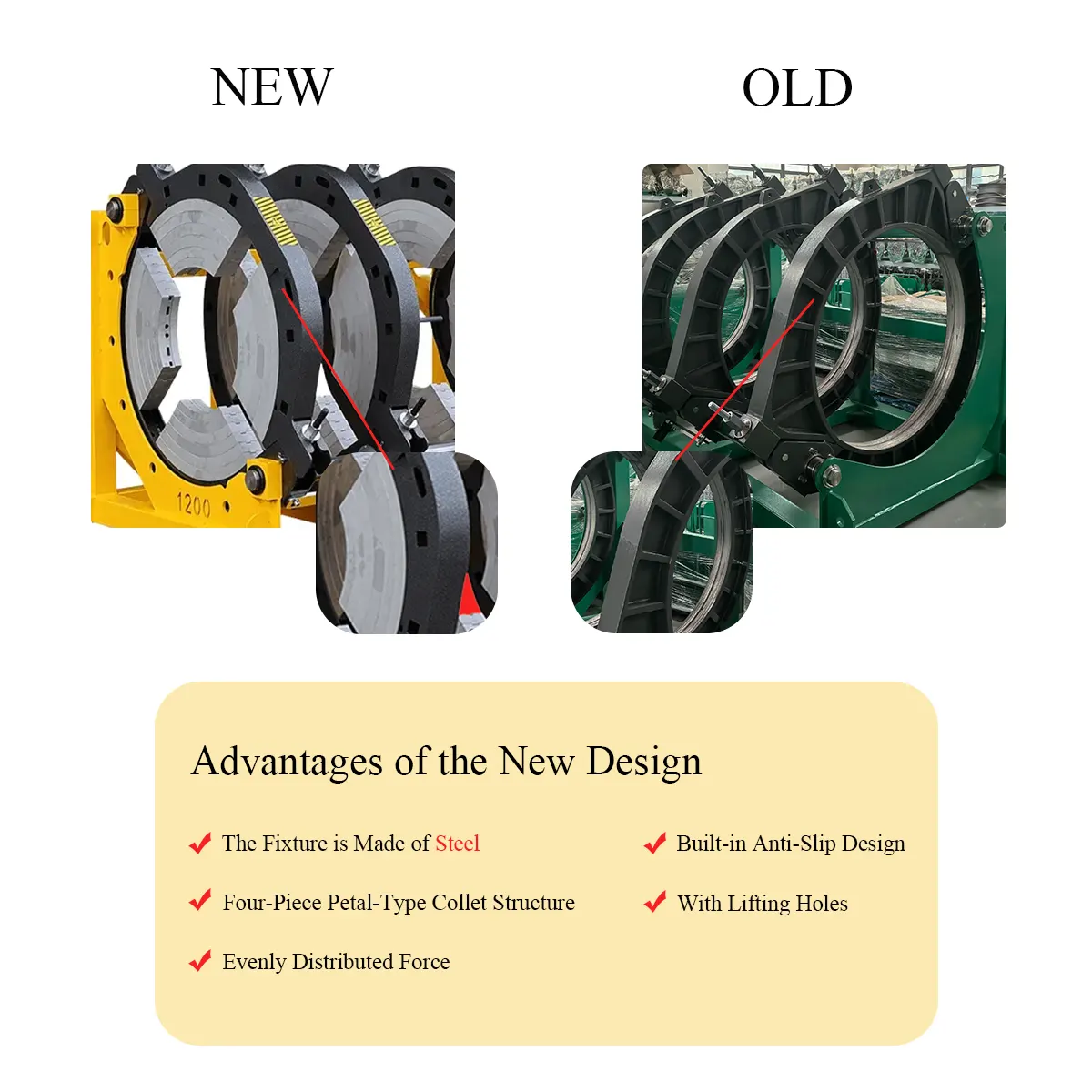
Installation Tips for Contractors
Prepare pipe ends with an accurate face-trimming operation and clean surfaces before heating. Use proper alignment clamps to avoid offsets and ensure uniform pressure during cooling to avoid weak joints.
On large-diameter lines, pre-plan logistics for machine positioning, hydraulic power supply, and crane access to minimize delays.
Maintenance & Longevity
Regularly inspect heating plates for flatness and replace worn Teflon covers. Keep hydraulic components clean and check seals. Calibration of pressure sensors and cycle timing ensures continued weld quality.
Common FAQs
Q: How long does a butt fusion joint take? Typical cycles range from a few minutes for small diameters to 20–30 minutes for large pipes, including heating, joining, and cooling phases.
Q: Can machines be customized? Yes—frame styles, clamp systems, and control logic can be tailored for specific project demands and pipe materials.
Why Partner with a Trusted Supplier
Working with an experienced manufacturer streamlines procurement, offers reliable after-sales support, and provides validated welding procedures for regulatory compliance. For more detailed product specifications, parts availability, and service options, visit JQ-Fusion.
Selecting the right fusion equipment reduces lifecycle costs and ensures safer, more durable pipelines. Evaluate machine capabilities against project needs, prioritize consistent quality, and plan for maintenance to maximize return on investment.



