
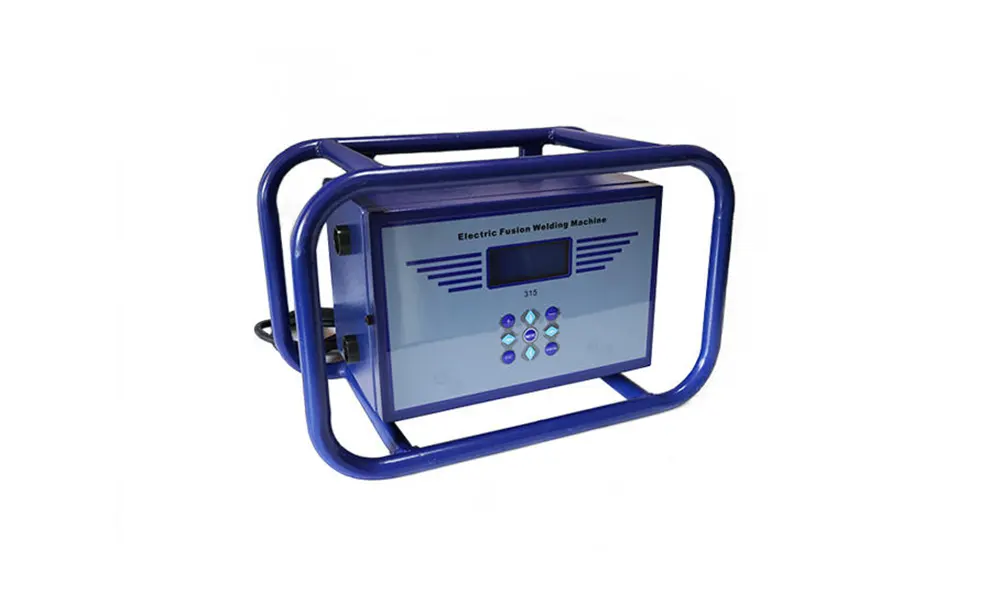
Electrofusion welders are an ideal solution for reliable, leak-free joins in HDPE pipe systems across Estonia. From municipal water networks in Tallinn to rural district heating and gas distribution in Võru and Pärnu counties, electrofusion technology delivers strong, consistent welds that stand up to Estonia’s cold winters and seasonal ground movement.
Why Electrofusion Is a Smart Choice for Estonian Projects
Electrofusion welding suits the needs of Estonia’s infrastructure projects because it offers:
- High joint integrity — ideal for potable water and gas pipelines.
- Minimal excavation time compared with mechanical fittings, useful in compact urban areas like Tallinn.
- Good performance in low temperatures when proper procedure and equipment are used.
- Compatibility with a wide range of pipe diameters and fittings, enabling flexible designs for rural and industrial deployments.
Key Features to Look For in an Electrofusion Welder
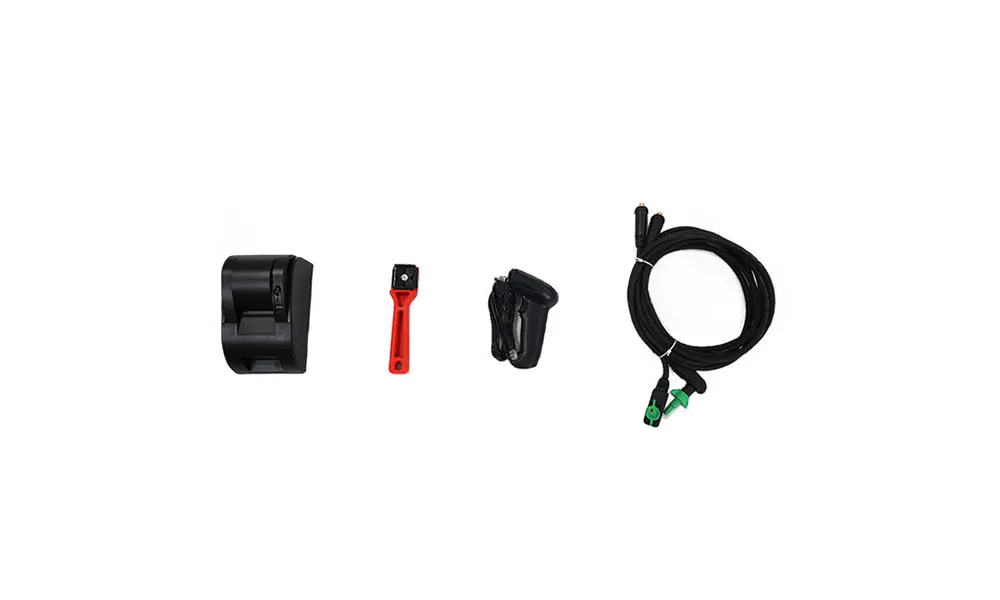
When selecting equipment for Estonia-based projects, prioritize welders with:
- Clear control interface and programmable welding recipes to match EN standards such as EN 12201.
- Reliable temperature control and insulated connectors for cold-climate consistency.
- Portable power options or battery backup for remote sites.
- Integrated logging or data export for traceability and quality assurance.
Recommended Models & Typical Specifications
| Model | Pipe Range | Power | Ideal Use |
|---|---|---|---|
| EFM-200 | 20–200 mm | AC 230V | Municipal water & small-diameter gas lines |
| EFM-500 | 63–500 mm | AC 230V / Battery option | Distribution networks, flexible site work |
| EFM-1000 | 250–1000 mm | Three-phase / Heavy duty | Large-diameter trunk mains & industrial pipelines |
Installation, Certification and Local Considerations
Estonian contractors and utilities favor electrofusion systems that comply with EU regulations and recognized standards. Ensure your welding teams are trained in electrofusion techniques and familiar with local permit procedures. For cold-season work, preheating procedures, insulated clamps, and verified welding cycles help maintain weld quality. Documentation and weld logs are often required by municipal authorities to confirm compliance.
Best Practices for Reliable Joints in Estonia
Follow these practical tips to reduce rework and avoid failures:
- Always clean and prepare pipe surfaces thoroughly; remove frost, ice, and moisture before fusion.
- Use welding programs matched to pipe/fitting materials and ambient conditions.
- Keep a record of each weld including serials, parameters and environmental notes for future audits.
- Perform regular equipment calibration and connector inspections to prevent inconsistent heating.
Maintenance & Aftercare
Routine checks and simple maintenance can extend service life of electrofusion welders: inspect cables and connectors, store the unit in dry, frost-free conditions between uses, and update software when manufacturers provide improvements. For projects in coastal areas like Haapsalu, watch for salt exposure on connectors and apply preventive maintenance accordingly.
For procurement, technical support or tailored equipment for Estonian pipelines, visit JQ-Fusion for detailed product information and assistance.



