
The HDPE electrofusion welding machine is a key tool for joining polyethylene pipes with consistent, leak-free results. This guide covers how electrofusion works, core features to look for, installation and operation tips, maintenance best practices, troubleshooting, and how to choose the right machine for your projects.
How Electrofusion Welding Works
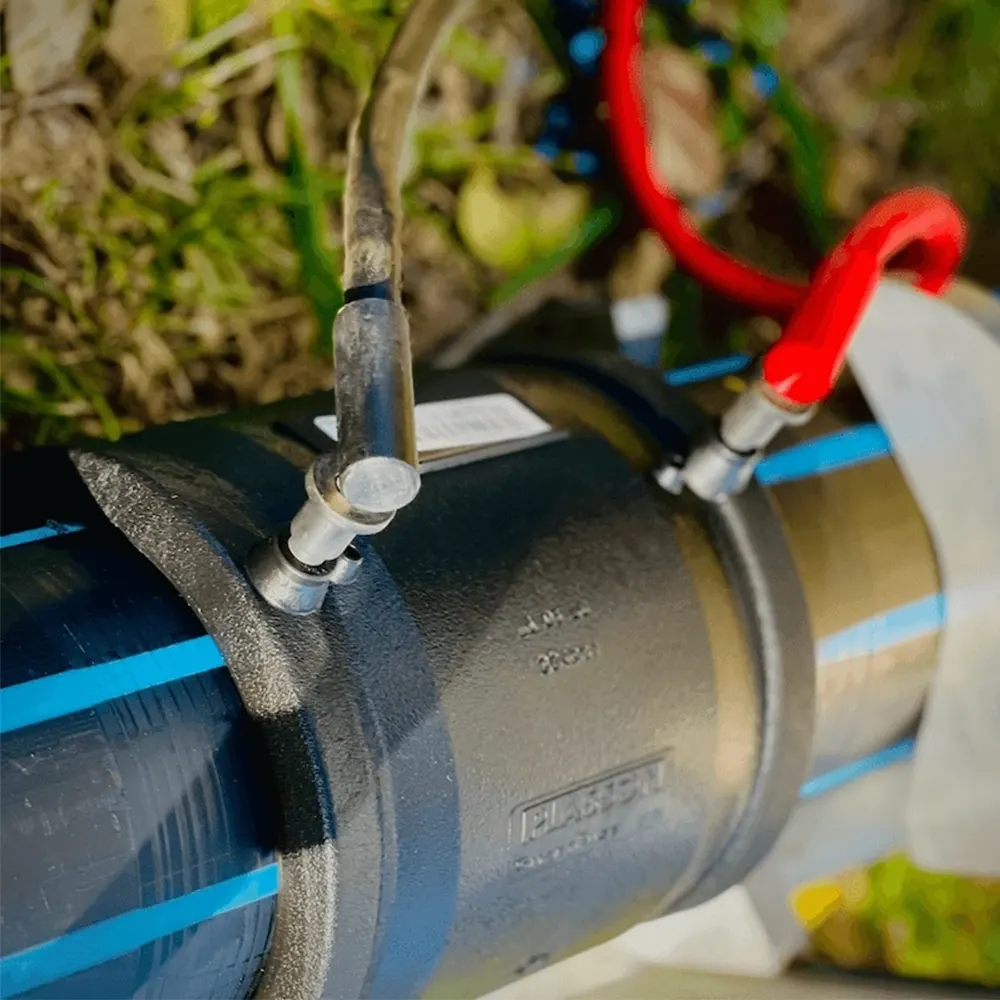
Electrofusion uses specially designed fittings that contain embedded heating coils. When a controlled electrical current passes through the fitting’s coil, it heats the adjacent pipe and fitting surfaces to the melting point. Once cooled under controlled pressure, the joint becomes a homogeneous, long-lasting weld. This method is ideal for HDPE water, gas, and industrial pipelines where reliability and integrity are essential.
Key Components of an Electrofusion Welding System
- Control Unit: Manages voltage, time, and temperature profiles for precise welding cycles.
- Clamping Frame: Holds pipes and fittings firmly to ensure alignment and even heat distribution.
- Power Supply: Stable power source or inverter for field conditions; some models support battery operation.
- Cooling & Pressure Management: Ensures joints cool under the correct pressure to avoid defects.
Advantages of HDPE Electrofusion
Electrofusion welding is popular because it delivers consistent joint strength, is suitable for restricted spaces, and minimizes excavation when repairing buried pipelines. It also reduces contamination risks and is suitable for complex fittings like T-pieces and reducers.
Typical Specification Table
| Parameter | Common Value |
|---|---|
| Pipe Diameter Range | 20 mm – 1200 mm (model dependent) |
| Control Modes | Manual / Automatic / CNC-controlled |
| Power Supply | AC 110–240V or DC with inverter |
| Heating Range | Programmable up to 300°C |
| Typical Cycle Time | 30s – 10min (based on fitting type & diameter) |
Step-by-Step: Installing and Operating an Electrofusion Machine
Follow manufacturer procedures and local standards. The simplified workflow below reflects best practices for field technicians:
- Prepare pipes: cut square, chamfer, and clean surfaces using recommended wipes. Remove dirt and oxidized material.
- Mark insertion depth and correctly position the fitting on the pipe.
- Secure clamps to prevent movement. Confirm axial alignment.
- Connect the electrofusion control unit and scan or enter fitting code.
- Start the programmed cycle and monitor the display for voltage/time feedback.
- After welding completes, maintain pressure for the specified cooling time before handling the joint.
Maintenance and Calibration Tips
Regular maintenance preserves welding quality and extends equipment life. Key tasks include:
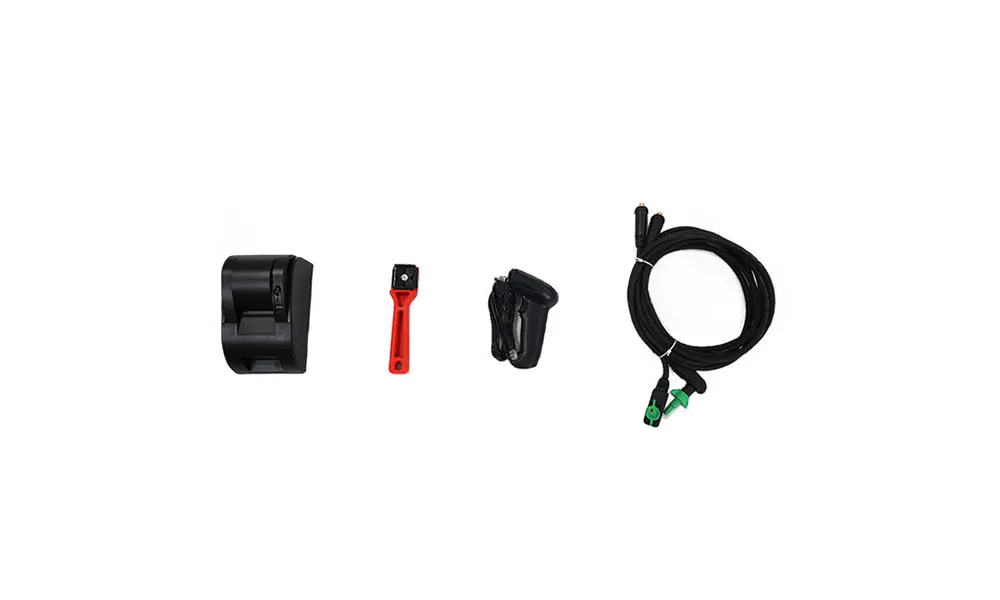
- Inspect leads and clamps for wear or corrosion; replace damaged parts.
- Keep control unit firmware updated and verify calibration annually or per usage hours.
- Store sensitive components in dry, dust-free conditions and check battery health if used in the field.
Common Troubleshooting Scenarios
Unexpected cycle aborts: Check connection integrity and matching fitting codes. Voltage drops often originate from poor contacts or depleted batteries.
Weak or porous joints: Re-evaluate surface preparation, clamp pressure, and cooling under correct pressure. Contamination and movement during welding are frequent causes.
Safety and Quality Assurance
Always follow PPE guidelines and equipment safety protocols. Verify each joint using visual inspection and, when required, non-destructive testing methods like electrofusion weld logs and traceability records.
How to Choose the Right Electrofusion Machine
Consider these selection factors:
- Project scale: choose between portable control units for repair work and robust, automated systems for high-volume production.
- Pipe diameters and fitting types supported.
- Power options: availability of stable AC supply vs. need for battery/inverter use.
- Ease of use: clear interface, automatic cycle selection, and data logging for quality control.
Buying Advice
Request weld procedure documentation, spare parts availability, and after-sales support options. Certified units that log each weld provide the best traceability for infrastructure projects.
About the Manufacturer
JQ-Fusion is a professional manufacturer specializing in HDPE pipe welding machines, offering a full range of electrofusion and butt fusion solutions to meet infrastructure demands worldwide. Visit https://jq-fusionwelding.com/ for product details and contact options.



