
When pipeline projects demand dependable, leak-free joints, the butt fusion machine often becomes the most important tool on site. Whether you are working on water supply lines, gas distribution networks, mining pipelines, or industrial installations, choosing the right polyethylene welding machine can directly affect weld quality, project efficiency, and long-term system safety. A good machine does more than simply heat and join pipe ends; it helps create strong, uniform, and durable connections that can withstand pressure, temperature changes, and harsh working environments.
A polyethylene welding machine is designed specifically for thermoplastic pipes such as HDPE, PP, and related materials. In most cases, the core principle is simple: the pipe ends are aligned, heated to the correct fusion temperature, and pressed together under controlled pressure. Once cooled, the joint becomes a single continuous structure. That is why these machines are widely used in infrastructure projects where reliability matters. For contractors and distributors, understanding machine types, features, and application requirements is the first step toward making a smart investment.
For more details about professional solutions, you can visit JQ-Fusion, a manufacturer focused on HDPE pipe welding equipment and global pipeline applications.
What Is a Polyethylene Welding Machine?
A polyethylene welding machine is a specialized device used to join polyethylene pipes and fittings through heat fusion. Instead of relying on adhesives, clamps, or mechanical fasteners, the machine creates a molecular bond between the pipe surfaces. This is one of the biggest reasons why fusion welding is preferred in systems that require high sealing performance and long service life.
The most common type is the butt fusion machine, which is used to weld two pipe ends directly together. Other related systems include electrofusion machines and fitting welders. Butt fusion equipment is especially popular because it can handle a broad range of pipe diameters and is suitable for both field work and workshop production.
Key point: Polyethylene welding is not just about heating plastic. It is about controlling temperature, pressure, alignment, and cooling time with precision.
How Butt Fusion Welding Works
In a butt fusion process, the pipe ends are first secured in machine clamps so the alignment stays accurate. A facing tool trims the ends to create smooth, parallel surfaces. Then a heated plate is inserted between the pipe ends and warms the surfaces to the required fusion temperature. After that, the heater plate is removed, and the softened pipe ends are brought together under controlled force.
During this stage, the molten material from both sides merges into one continuous joint. After cooling, the connection becomes structurally strong and highly resistant to leakage. This process is widely trusted because it produces a consistent weld when the operator follows the correct parameters. In many industrial projects, that consistency is just as valuable as speed.
Important: A high-quality weld depends on stable pressure, accurate temperature control, and proper pipe preparation before fusion begins.
Main Types of Polyethylene Welding Machines
Not all welding machines serve the same purpose. Depending on the job site, pipe size, and automation needs, users may choose from several categories.
1. Manual Butt Fusion Machines
Manual models are suitable for smaller projects and lower-volume welding tasks. They are typically easier to transport and operate, making them a practical choice for contractors handling limited pipe diameters or occasional repairs. These machines generally require more operator involvement, but they are cost-effective and reliable when used correctly.
2. Hydraulic Butt Fusion Machines
Hydraulic models are widely used in professional pipeline construction because they provide more stable fusion pressure and are capable of handling larger pipe sizes. Their hydraulic systems improve weld consistency and reduce manual effort. For projects involving municipal water lines or gas pipelines, this type is often a preferred solution.
3. CNC Automatic Butt Fusion Machines
Automatic machines are designed for projects that require high precision and repeatability. They can reduce operator error and improve workflow efficiency, especially in large-scale or technically demanding installations. These systems are especially useful where production speed and standardized quality are both essential.
JQ-Fusion offers a wide product range that includes hydraulic butt fusion welding machine, automatic butt fusion welding machine, and other professional pipeline welding solutions.
Where These Machines Are Used
Polyethylene welding machines are used in a broad range of industries because HDPE piping is durable, corrosion-resistant, and adaptable. Water supply systems rely on fusion welding for secure transport of clean water over long distances. Gas distribution networks depend on tight, stable joints that reduce the risk of leakage. Mining projects often need robust pipe systems that can operate under difficult conditions. Industrial installations also benefit from fusion-welded pipelines because they can handle chemicals, slurry, and high-demand service environments.
In addition, infrastructure projects such as drainage systems, irrigation networks, and temporary construction pipelines frequently use butt fusion equipment. The versatility of these machines makes them valuable assets for both contractors and distributors looking to serve different markets.
Tip: If your projects involve multiple pipe diameters, choose a machine with a broader fusion range so you can reduce equipment changes and improve site efficiency.
How to Choose the Right One
Selecting the right polyethylene welding machine depends on the exact requirements of your project. The first factor to consider is pipe diameter. Smaller pipes may only need a compact manual model, while larger infrastructure projects usually require hydraulic or automatic systems. Matching the machine capacity to the pipe range avoids underperformance and helps ensure safe operation.
Another important factor is the application environment. Field projects often demand portable and rugged machines that can withstand transportation and outdoor use. Workshop-based work may prioritize higher automation and continuous output. If your team handles urgent project timelines, a machine with quick setup and efficient heating can make a major difference.
Temperature accuracy is also critical. A machine that cannot maintain stable heat can cause weak or inconsistent joints. Likewise, clamp alignment and hydraulic pressure stability are essential for weld quality. This is why professional manufacturers test their equipment carefully before delivery. JQ-Fusion emphasizes strict quality control, including temperature accuracy, hydraulic pressure stability, and clamp alignment inspection.
Power supply is another detail that should not be overlooked. Depending on your region and site conditions, you may need a specific voltage configuration. For international buyers, compatibility with local electrical standards is a practical purchasing factor. Customization options can also be important if you need branding, machine color, or special functional settings for your market.
Why Quality Matters More Than Price Alone
It can be tempting to choose the lowest-cost machine available, but that approach may create long-term problems. Poor alignment, unstable heating, weak hydraulic systems, and unreliable components can lead to failed welds, costly rework, and project delays. In pipeline construction, a single defective joint can create serious safety and performance risks.
A better approach is to evaluate total value. This includes machine durability, after-sales support, spare parts availability, technical training, and expected service life. A machine from a trusted manufacturer may cost more at the start, but it can reduce downtime and improve project outcomes over time. For contractors and distributors, that difference can be significant.
Highlight: A reliable machine protects both your project reputation and your long-term operating costs.
What Makes JQ-Fusion Stand Out
As a professional manufacturer of HDPE pipe welding equipment, JQ-Fusion has built its reputation on engineering strength, production consistency, and global service capability. With over 20 years of industry experience, the company focuses on manual, hydraulic, and CNC automatic butt fusion welding machines that cover a wide diameter range.
The company’s modern production lines and precision machining equipment help ensure stable performance and long service life. Each machine undergoes comprehensive testing before shipment, supporting reliable performance in real projects. For buyers who need market-specific products, JQ-Fusion also offers OEM & ODM customization, including size, voltage, color, design, and branding.
JQ-Fusion also supports global customers with fast response, professional technical guidance, and efficient logistics support. This is especially important for international contractors and distributors who need dependable supply chains and responsive communication. Their products are manufactured in compliance with international standards and certified by SGS, which adds another layer of confidence for buyers seeking verified quality.
Learn more about the company’s background and manufacturing capability at JQ-Fusion’s official website.
Practical Buying Checklist
Before purchasing a polyethylene welding machine, ask these questions:
- What pipe sizes will I weld most often?
- Do I need manual, hydraulic, or automatic operation?
- Is the machine suitable for my local voltage and site conditions?
- Can the supplier provide customization, training, and after-sales support?
- Has the equipment been tested for temperature and pressure stability?
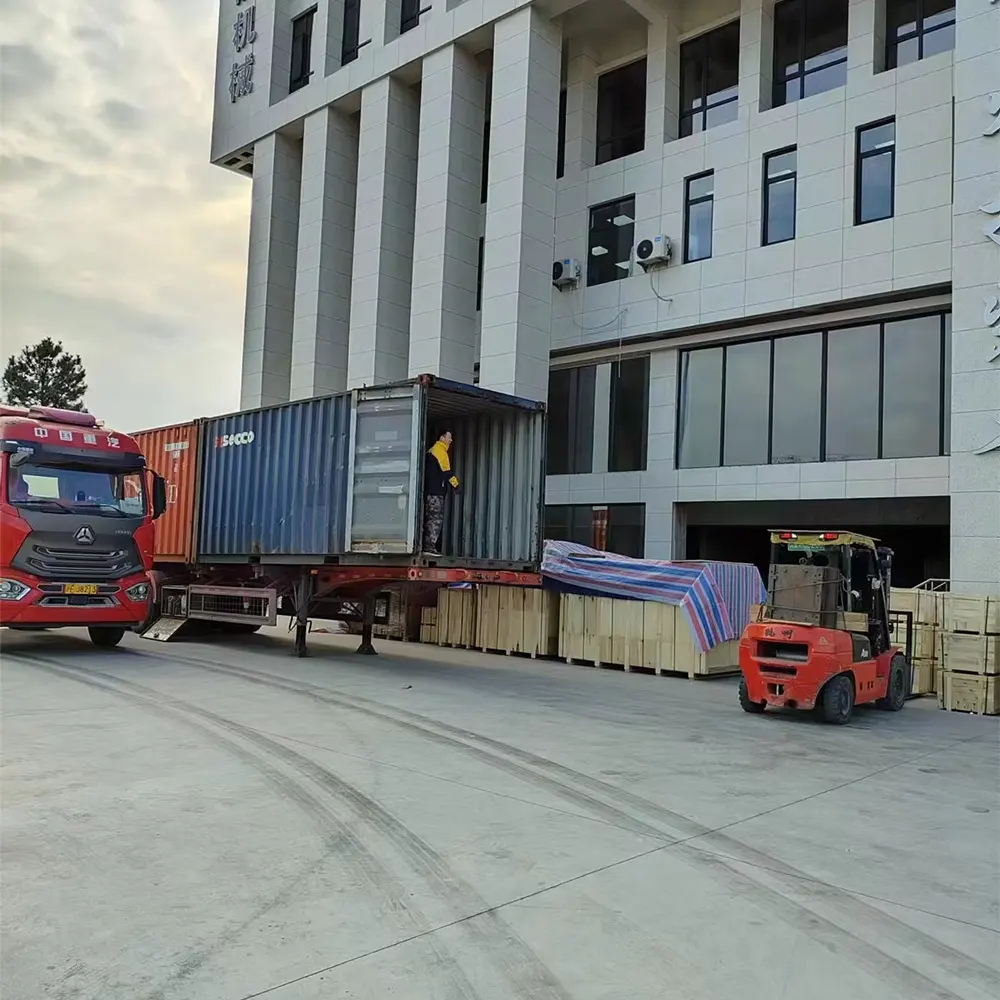
These questions can help narrow your options and avoid unnecessary spending. If your projects are time-sensitive, you may also want to ask about ready stock and shipping timelines. JQ-Fusion maintains a large inventory of key models to support fast delivery for both small and bulk orders.
Professional Support for Global Projects
In real-world pipeline work, equipment selection is only one part of the equation. Technical support matters just as much. A good supplier should help you choose the right machine, understand operating procedures, and solve issues quickly if they arise. This is especially true for buyers working across different regions, climates, and regulatory environments.
JQ-Fusion’s commitment to stable welding performance, customized solutions, strict quality assurance, fast delivery, and professional technical support makes it a strong option for global contractors and distributors. Whether you need a compact unit for regular field work or a larger automated system for major infrastructure projects, having a dependable partner can simplify procurement and improve project execution.
Conclusion
Choosing the right polyethylene welding machine is ultimately about matching equipment capability to project needs. Pipe size, automation level, site conditions, quality control, and supplier support all influence the final decision. A well-chosen butt fusion machine can help you achieve strong, precise, and durable welds while improving efficiency and reducing risk.
For contractors, engineers, and distributors seeking dependable HDPE pipe welding solutions, it is worth focusing on proven manufacturing strength, customization options, and after-sales support. That combination not only improves welding results but also supports long-term business success in competitive markets.
FAQs
1. What is the main purpose of a polyethylene welding machine?
Its main purpose is to join polyethylene pipes and fittings by heating the surfaces and fusing them into a single strong joint.
2. What is the difference between manual and hydraulic butt fusion machines?
Manual machines require more operator involvement and are usually suited to smaller jobs, while hydraulic machines provide more stable pressure and are better for larger or more demanding projects.
3. How do I know which machine size to choose?
You should choose a machine based on the pipe diameter range of your projects, along with the required pressure, mobility, and operating environment.
4. Why is temperature control important in butt fusion welding?
Accurate temperature control ensures the pipe ends soften correctly without burning or underheating, which is essential for creating a strong and reliable fusion joint.
5. Can I get customized welding equipment for my market?
Yes, many manufacturers offer OEM and ODM customization options, including machine size, voltage, color, design, and branding.



