
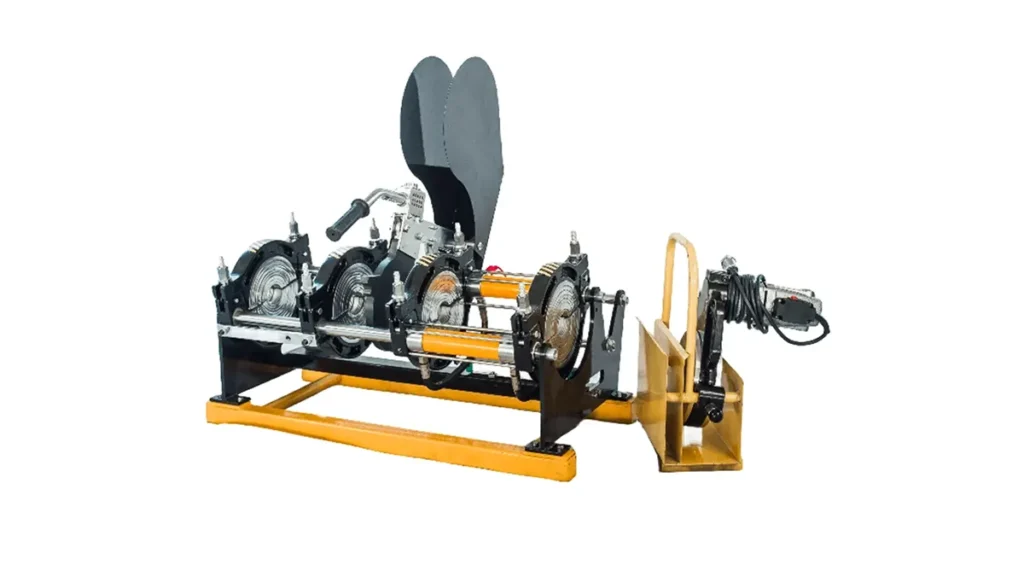
High-density polyethylene (HDPE) pipe welding equipment is essential for Belgium’s expanding infrastructure projects — from urban water networks in Brussels to rural agricultural irrigation in Flanders. This guide explains the main machine types, practical uses across Belgian sectors, and a clear buying checklist to help contractors, utility engineers, and suppliers choose the right equipment.
Why HDPE Welding Matters in Belgium
Durability and chemical resistance make HDPE the preferred pipe material for drinking water, stormwater, and gas distribution in Belgium. With dense urban sites and strict EU safety standards, weld quality and repeatable joints are critical. Contractors need machines that deliver consistent butt-fusion or electrofusion welds even in constrained, wet, or multilingual worksites.
Common Applications Across Belgian Regions
Municipal water supply, gas distribution upgrades (Flanders & Wallonia), sewer and stormwater rehabilitation, irrigation systems for horticulture, and underground telecom conduits are frequent uses. Belgium’s mix of historic urban areas and modern development requires compact, precise machines for trenchless or tight-site welding operations.
Types of HDPE Pipe Welding Equipment
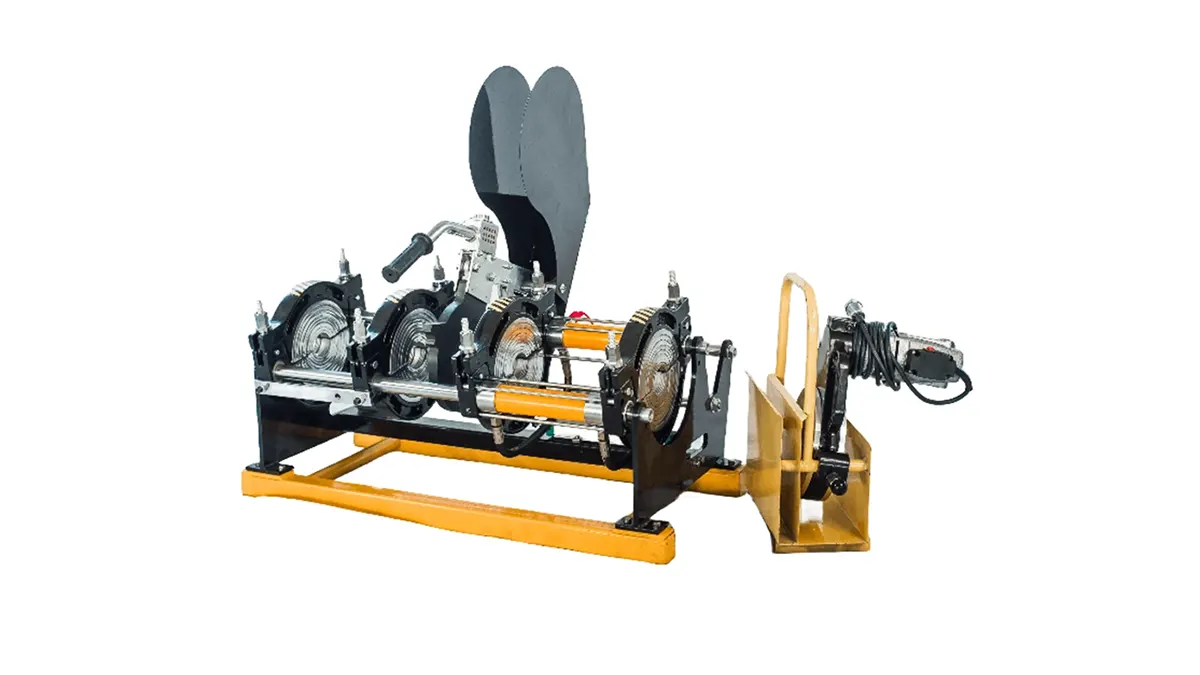
Manual Butt Fusion Machines
Simple, reliable, and cost-effective for small-diameter pipes and rural jobs. Ideal for on-site repairs, farm irrigation, and small municipal connections where portability and ease of use are top priorities.
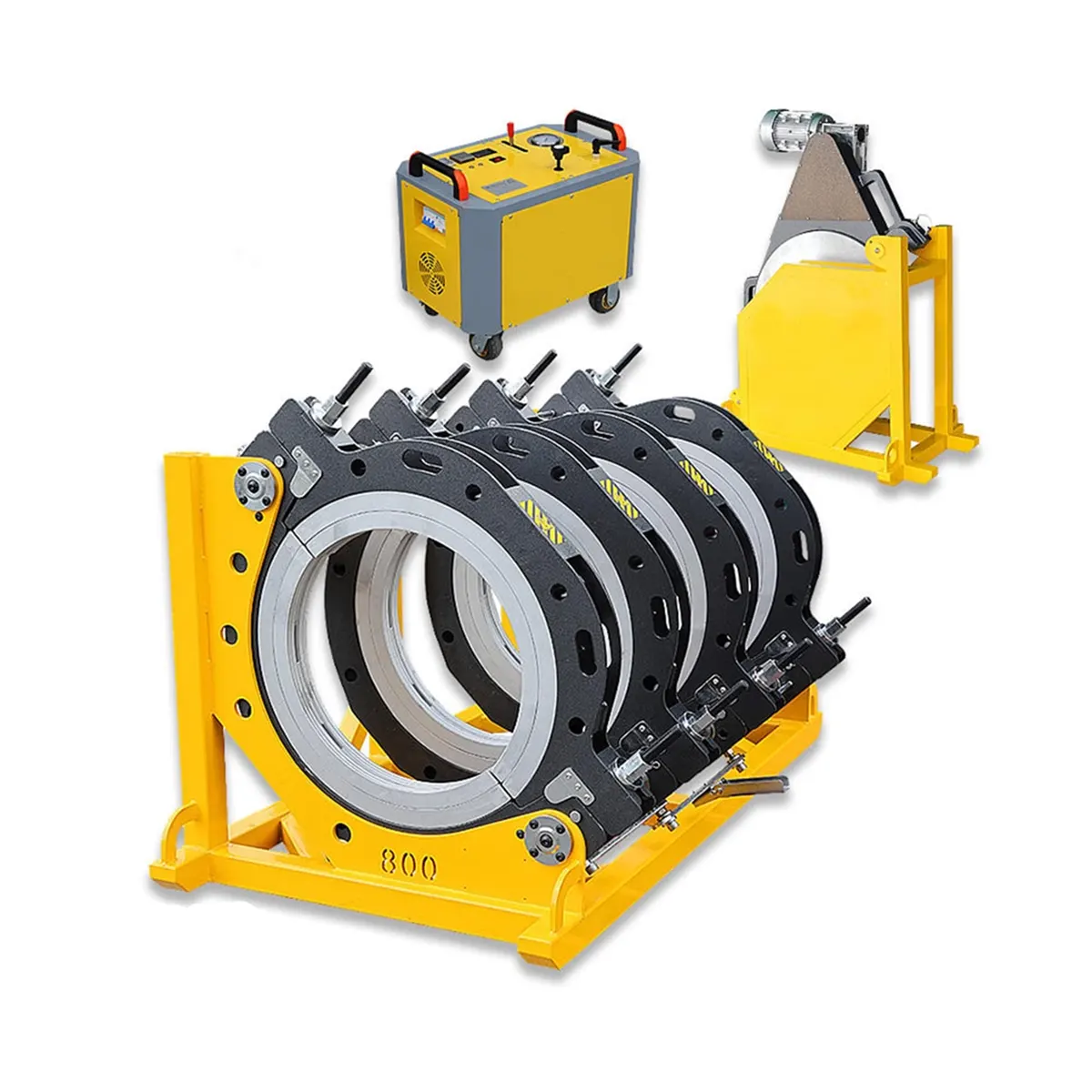
Hydraulic Butt Fusion Machines
Provide higher clamping force and stability for medium to large diameters. Well-suited for utility contractors working on water mains, gas pipelines, and canal-side installations that require robust, repeatable joints.
Automatic / CNC Butt Fusion Machines
Automated cycle control improves accuracy and traceability — helpful for large project bids or complying with stringent quality records. Automatic units reduce operator-dependent variability and are preferred for major pipeline contracts and pre-fabrication shops.
Electrofusion Machines
Best for fittings and repairs where clamps aren’t practical. Useful in urban repair patches and confined trenchless situations where electrofusion couplers provide fast, reliable connections.
Multi-Angle & Fittings Machines
Designed for tee, elbow, and branch welding in prefabrication yards. They speed up complex fittings fabrication needed in industrial or large-scale municipal projects.
Quick Comparison Table (At-a-Glance)
| Model / Type | Pipe Range | Best For |
|---|---|---|
| Manual Butt Fusion | 20–250mm | Small repairs, farm & local utility work |
| Hydraulic Butt Fusion | 160–2000mm+ | Large mains, water & gas networks |
| Automatic/CNC | 20–1250mm | High-volume prefabrication, traceable welds |
| Electrofusion | 20–630mm (fittings) | Fittings, confined spaces, repair patches |
Key Features to Look For When Buying in Belgium
- Compliance & Certification: Ensure machines and procedures comply with relevant EU/EN standards and project-specific QA requirements.
- Portability: For congested Belgian city sites, lightweight and compact frames reduce setup time.
- Automation & Data Logging: Essential for contractors bidding on larger public works needing weld traceability.
- Service & Spare Parts Availability: Choose suppliers with quick European logistics or local partners to minimize downtime.
- Operator Training: Multilingual manuals and training (French/Dutch/English) ensure teams across Belgium can operate safely and consistently.
Buying Checklist
Before purchase, verify:
- Exact pipe diameter range and pressure class needed
- Site constraints (urban vs. rural) and machine portability
- Required level of automation and traceability
- Warranty, training options, and spare parts lead times in the EU
- Compatibility with local codes and acceptance by Belgian utility authorities
Maintenance & Best Practices
Regular calibration of heaters and clamps, scheduled hydraulic checks, and correct storage of welding plates prolong machine life. In Belgium’s wet climate, protect sensitive electronics and keep welding surfaces dry and clean for optimal joints.
Local Considerations for Belgian Buyers
Belgian projects often require bilingual documentation (French/Dutch) and adherence to municipal permits. Compact models and low-noise operation are advantages in historic urban neighborhoods. For large-scale contractors, investing in automated systems with data export makes tendering for EU-funded projects smoother.
For buyers in Belgium looking for a reliable manufacturer and a broad range of butt fusion and electrofusion solutions, JQ-Fusion offers manual, hydraulic, and automatic machines suitable for diverse pipe sizes and project types.
Final Tips
Match machine capability to your typical job profiles, confirm after-sales support in Europe, and require weld traceability for major contracts. Selecting the right HDPE welding equipment improves job speed, reduces rework, and ensures compliance with Belgian infrastructure standards.



