
Electrofusion welding is a reliable method for joining HDPE pipe fittings, but poor fusion quality can still occur if the process, materials, or environment are not properly controlled. Below is a practical guide to the most common causes of poor electrofusion welds and actionable steps to diagnose and prevent them.
Surface Contamination and Preparation
Contaminants like dirt, oils, oxides, or moisture on the pipe or fitting surfaces are frequent causes of weak joints. Even small particles or condensation can interrupt the heater coil contact and lead to incomplete fusion or voids inside the joint.
Prevention: Clean the pipe and fitting with a dedicated cleaning tool and approved solvent. Use non-scratching cleaners and ensure the surface is dry before assembly. For buried or dusty job sites, protect prepared surfaces until welding.
Improper Socket Insertion or Misalignment
Poor alignment or incomplete insertion of pipes into fittings results in uneven heat distribution and stress concentrations. Off-axis joints often show asymmetric bead formation or seam gaps.
Use proper alignment guides and clamps. Verify insertion depth markings on fittings and check alignment before and during weld activation.
Incorrect Welding Parameters or Program
Using the wrong voltage, current, or cycle time — or selecting the incorrect program on the electrofusion unit — is a common source of failure. Parameters should match the fitting manufacturer’s marked program and ambient conditions.
Always scan the fitting barcode or manually set the correct welding profile. When in doubt, consult the fitting datasheet and the fusion unit manual. Never shorten the weld cycle to speed up work.
Power Supply and Equipment Issues
Voltage drops, unstable power, or a faulty control unit can interrupt the heating cycle and lead to under- or over-heating. Old or damaged leads and connectors also reduce effective power to the coil.
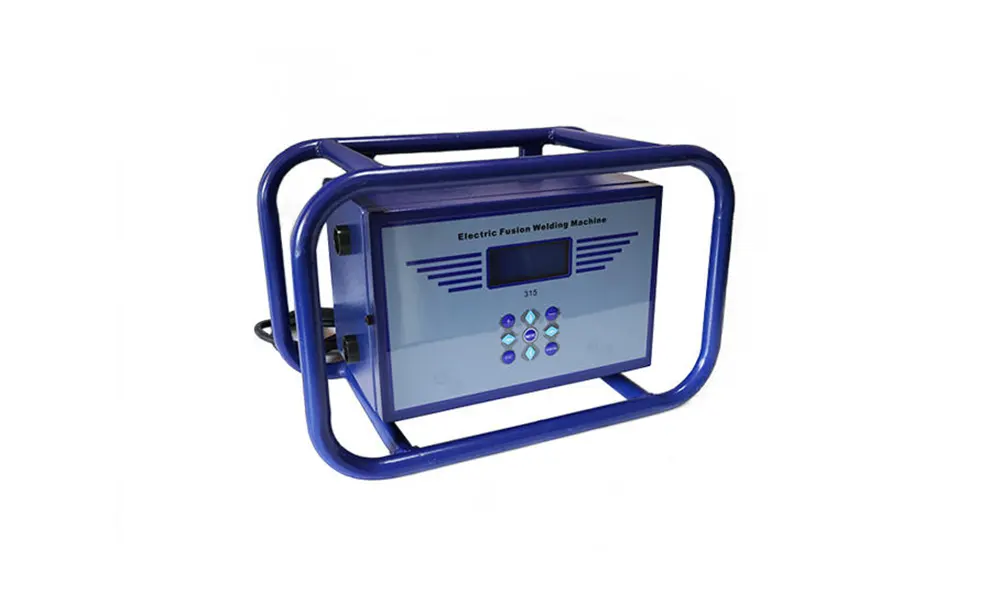
Regularly test and calibrate the electrofusion machine. Use a stable power source, check batteries for portable units, and inspect leads and connectors for damage.
Damaged or Expired Fittings
Electrofusion fittings have built-in heater coils and sometimes limited shelf life. Damaged coils, plastic deformation, or fittings stored in poor conditions (UV exposure, extreme heat) can fail to fuse correctly.
Inspect fittings for visual damage and expiration marks. Store fittings in dry, shaded conditions and use within manufacturer-recommended shelf life.

Environmental and Site Conditions
Cold temperatures, high humidity, wind, or rain can cool the joint during welding or introduce condensation. Extremely hot conditions may soften components prematurely. Site contaminants like sand increase abrasion during insertion.
Protect weld areas with weather shields, maintain recommended ambient temperature ranges, and allow extra cooling time in hot climates or controlled ancillary heating in cold weather.
Poor Clamping or Mechanical Movement During Fusion
Movement of components during the heating or cooling cycle disrupts bead formation and can create weak interfaces. Inadequate clamping can also lead to radial gaps or eccentric assemblies.
Use rated clamps and fixtures sized for the pipe diameter. Monitor the joint to prevent mechanical stress or vibration until the weld fully cools.
Operator Error and Training Gaps
Incorrect steps, skipped cleaning, manual parameter errors, or premature pressure release are often due to insufficient training. Even experienced technicians can make mistakes when rushed.
Implement competency training, use checklists, and require barcode scanning or program verification before each weld. Periodic retraining reduces drift from best practices.
Cooling Time and Post-Weld Handling
Removing clamps or applying stress to the joint before the specified cooling time can cause incomplete molecular diffusion and a visually acceptable but mechanically weak joint.
Follow the manufacturer’s cooling time based on pipe diameter and ambient temperature. Mark weld completion times to avoid accidental early movement.
Common Symptoms Quick Reference
| Issue | Typical Symptom | Quick Fix |
|---|---|---|
| Dirty/contaminated surfaces | Poor bead, voids inside joint | Re-clean and re-weld with new fitting |
| Incorrect program | Under/over-melted bead | Scan barcode or select correct profile |
| Movement during fusion | Asymmetric bead, weak seam | Improve clamping; avoid disturbance |
| Power instability | Interrupted cycle, weld failure | Check supply, cables, and control unit |
Inspection, Testing and Record-Keeping
Good weld quality management includes visual inspection of bead formation, mechanical testing (where required), logging weld parameters, and photo documentation. Use the fusion unit’s stored cycle data and store records in a project database to identify recurring issues.
Final Checklist Before Each Weld
– Clean and dry surfaces; verify no visible damage.
– Confirm correct fitting type and scan barcode.
– Verify fusion machine parameters and power quality.
– Secure proper clamps and confirm alignment.
– Monitor the weld and respect cooling time.
For reliable equipment and support to improve electrofusion outcomes, consider contacting JQ-Fusion: https://jq-fusionwelding.com/



