
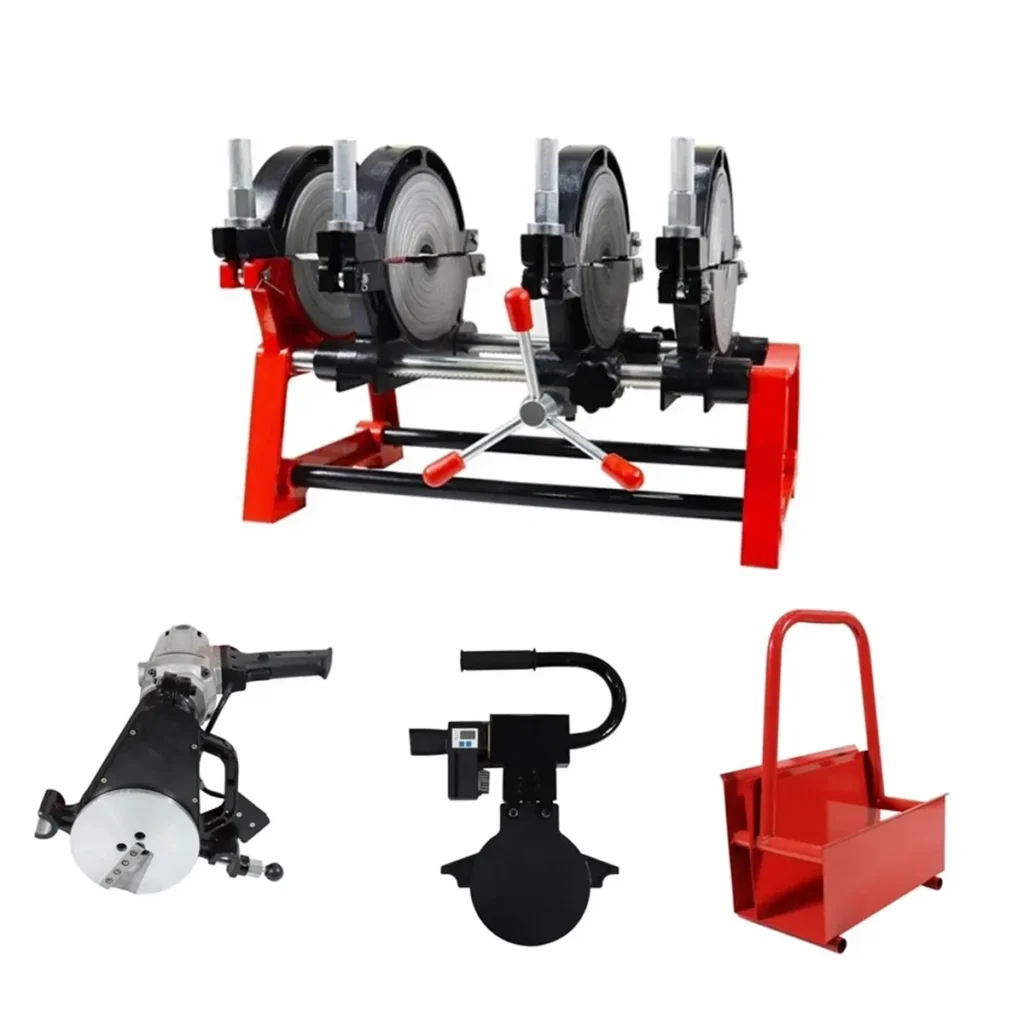
As infrastructure projects demand durable, leak-free plastic pipe networks, selecting the right pipe fusion machine becomes critical to long-term performance. This guide explains reliable fusion equipment options, core benefits, and practical selection tips for contractors, utilities, and fabricators pursuing efficient HDPE pipe welding solutions.
Overview of Pipe Fusion Solutions
Manufacturers produce three main butt fusion machine categories: manual, hydraulic, and automatic (CNC). Each category targets different project scales — from small-diameter service lines to large-diameter trunk mains — and emphasizes consistent joint strength, operator safety, and productivity.
Key Features by Machine Type
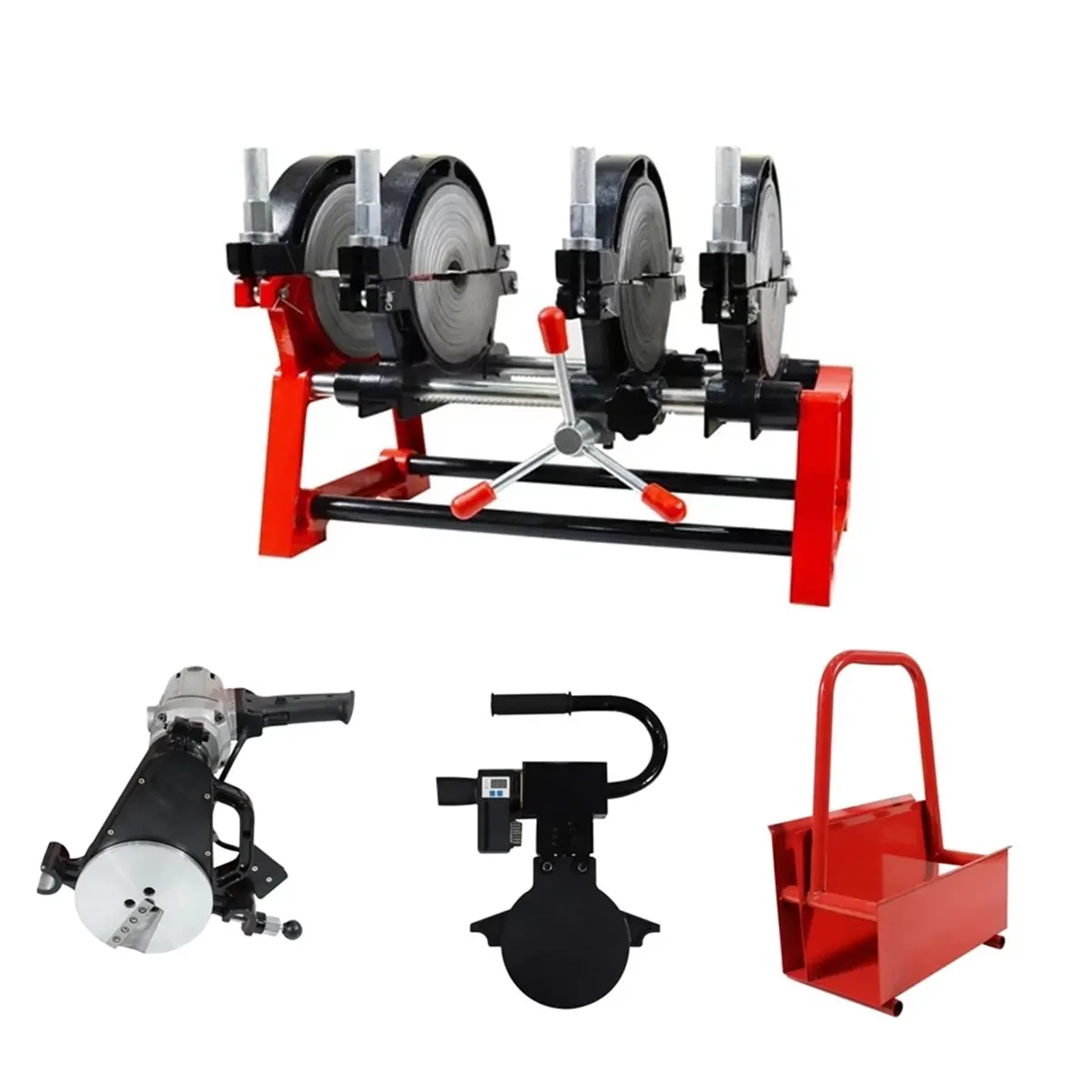
Manual machines are lightweight, portable, and ideal for small repairs and rural installations. Hydraulic machines provide high clamping force and accuracy for medium to large diameters. Automatic/CNC machines deliver repeatable cycles, data logging, and minimal operator intervention for high-volume or critical pipeline work.
Common Benefits to Expect
Reliable butt fusion equipment ensures consistent fusion bead quality, reduced rework, faster joint cycles, and compliance with industry welding standards. Look for machines offering precise alignment, stable heating plates, easy-to-read controls, and durable frames for field conditions.
Applications Across Industries
HDPE butt fusion machines are widely used in water supply, gas distribution, mining slurry lines, sewage systems, irrigation networks, and industrial process piping. Contractors benefit from machines that handle a variety of diameters and wall thicknesses while maintaining joint integrity.
Product Comparison Table
| Model | Type | Pipe Range | Key Features |
|---|---|---|---|
| JQSY-2M | Manual | 20–200 mm | Portable, easy operation, low cost |
| JQH-630 | Hydraulic | 63–630 mm | High clamping force, field‑ready |
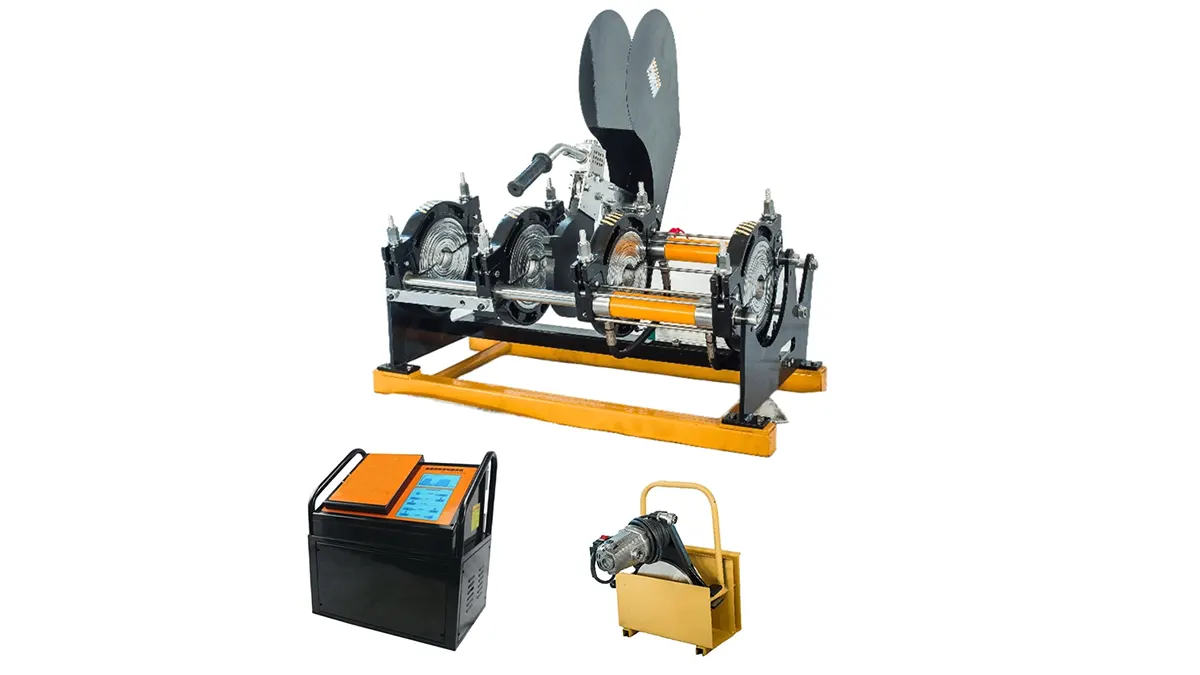
| JQA-500 | Automatic | 110–500 mm | CNC control, data logging, repeatability |
Quality Assurance and Manufacturer Credentials
JQ-Fusion is a professional manufacturer specializing in HDPE pipe welding machines, offering stringent quality control, customizable configurations, and global support channels. When evaluating suppliers, verify manufacturing standards, material traceability, and on-site service capabilities.
Maintenance, Training & Support
Regular maintenance extends machine life: keep heating plates clean, inspect hydraulic hoses, calibrate pressure gauges, and follow manufacturer checklists. Operator training increases weld success rates; prioritize certified fusion procedures and documented welding logs for critical pipelines.
Selecting the Right Machine for Your Project
Start by defining pipe diameter, SDR/thickness, expected daily weld count, and onsite conditions. For rural service lines and occasional repairs choose a manual unit. For municipal trunk mains and continuous production, invest in hydraulic or automatic machines for efficiency and traceability. Consider portability, spare parts availability, and training when making a final decision.
Final Notes
Investing in the correct butt fusion equipment improves pipeline reliability and lowers lifecycle costs. Prioritize machines with proven performance, accessible support, and clear documentation to meet project specifications and industry standards.



