
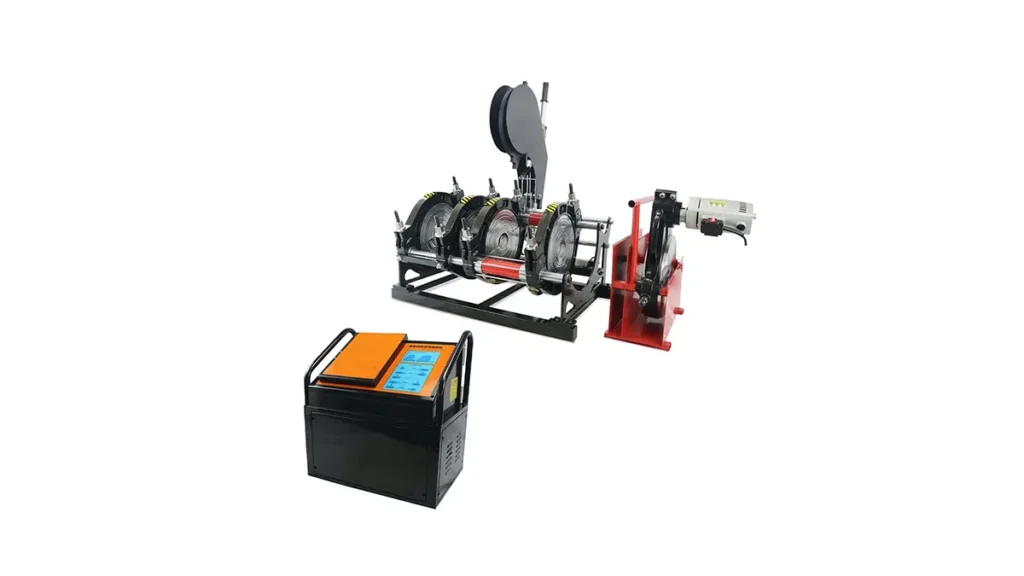
Choosing the best fusion welding machine in Tajikistan requires more than price comparison — it means matching machine type, capacity and support to local project demands in mountainous terrain, cold winters and often remote job sites. This guide helps contractors, utility managers and pipeline installers in Tajikistan select the right HDPE pipe welding solution for water supply, irrigation, gas distribution and mining projects.
Understand Your Project Requirements
Pipe material & diameter: Confirm pipe type (HDPE, PE100) and diameter range. Small municipal lines (20–160mm) often work with manual or electrofusion machines, while medium to large trunk lines (160–2000mm+) need hydraulic or fully automatic butt fusion units.
Application: For irrigation and rural water networks, portability and ease of use matter. For gas distribution and industrial pipelines, precision, traceable weld logs and compliance with standards are critical.
Tajikistan-specific site factors
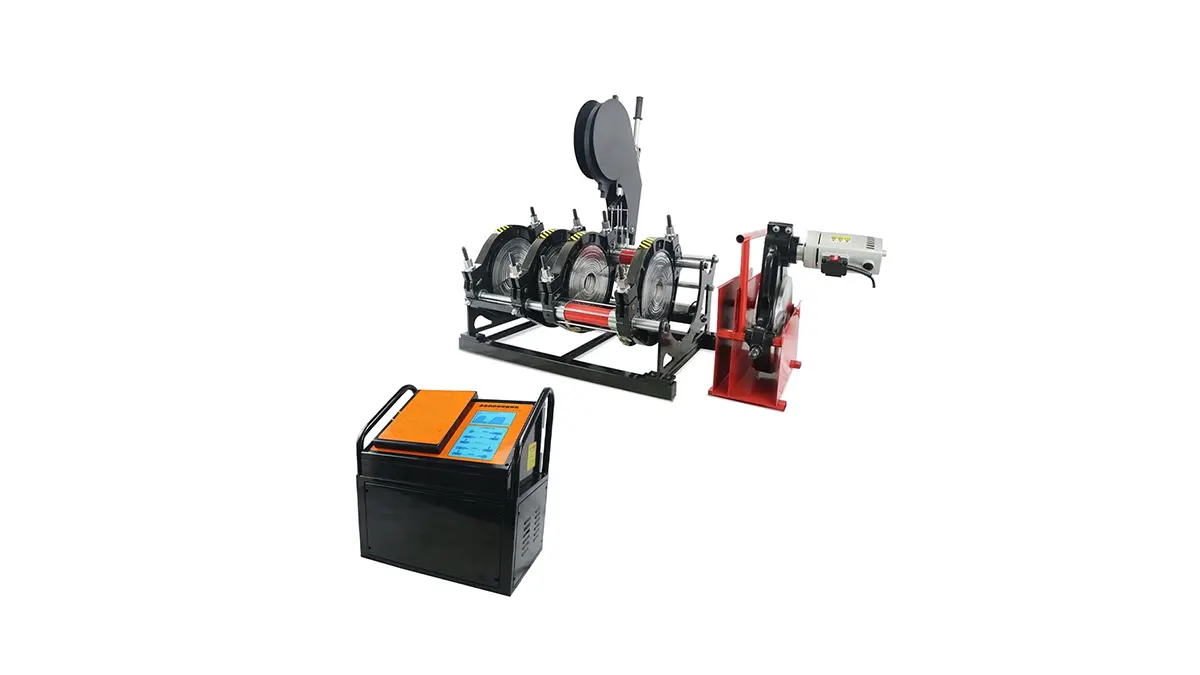
Mountainous topography, high altitudes and harsh winters in many regions affect welding performance. Choose machines with robust heating plates and temperature compensation features. Portability, dust- and moisture-resistant controls, and compatibility with local power (or generator) sources are essential for remote valleys and construction camps.
Machine Types: Pros and Cons
Manual Butt Fusion: Low cost and simple maintenance. Best for small teams doing occasional repairs or short runs. Requires skilled operators to maintain weld quality.
Hydraulic Butt Fusion: Reliable for medium-large diameters, provides consistent pressure. Ideal for regional pipeline projects where speed and repeatability are needed.
Automatic / CNC Butt Fusion: Higher upfront cost but delivers precise control, automatic welding logs and fast cycles — recommended for large infrastructure and projects requiring traceability.
Electrofusion: Great for fittings and repairs on smaller-diameter networks; useful in urban works where welding space is limited.
Key Technical Specifications to Compare
| Feature | Why it matters |
|---|---|
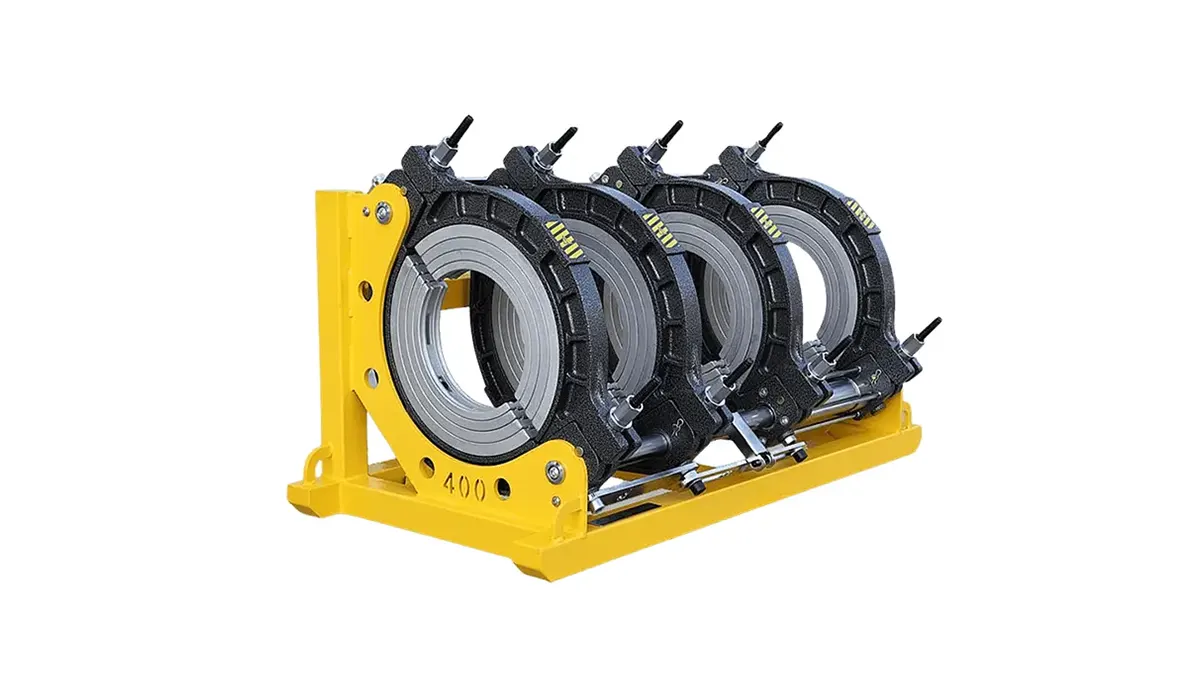
| Diameter Range | Ensure the machine covers the pipe sizes you use now and in planned projects. |
| Power & Voltage Options | Compatibility with local grid or generator; battery-backed controls help on remote sites. |
| Heating Plate Quality | Even heat distribution ensures consistent fusion, especially important in cold climates. |
| Control & Data Logging | Automatic logging and digital control increase traceability and reduce operator error. |
| Portability & Weight | Lightweight frames and modular clamps are easier to move between mountain access points. |
Performance & Durability
Look for hardened frames, corrosion-resistant components and proven hydraulic systems that withstand heavy use. Machines with replaceable components simplify field repairs when spare parts are scarce.
Local Support, Training & Spare Parts
In Tajikistan, on-site training and fast access to spare parts drastically reduce downtime. Verify the supplier’s ability to provide manuals in English/Russian, remote technical support and recommended consumables. If you expect to work in remote valleys, ask about spare heating plates, hydraulic seals and clamp parts that commonly wear.
Standards, Certification & Quality Assurance
For utility and gas projects, ensure machines meet relevant industry standards (ISO, ASTM, or local equivalents) and that welding procedures align with accepted codes. Machines with calibration certificates and traceable weld records are preferred by project owners and inspectors.
Budgeting: Total Cost of Ownership
Compare not just purchase price but training costs, spare parts availability, expected maintenance intervals and projected productivity. A higher initial cost for an automatic machine can be offset by faster weld cycles, lower scrap rates and improved quality control on large projects.
Quick Buying Checklist
– Confirm required diameter range and material type.
– Check power compatibility and portability for remote sites.
– Ask for demonstration welds or sample logs.
– Verify warranty, spare parts lead time and training options.
– Request certificates and reference installations in similar terrain/climate.
Where to Start — Practical Recommendations
If your work in Tajikistan focuses on small municipal and repair jobs, consider manual or electrofusion systems for flexibility. For multi-kilometer irrigation, water or gas mains in rugged regions choose robust hydraulic units with portable features. For large utility or industrial contracts, invest in automatic butt fusion machines with digital controls and log capability to meet compliance and speed demands.
JQ-Fusion is a professional manufacturer specializing in HDPE pipe welding machines, offering a range from manual to CNC automatic butt fusion equipment to support water supply, gas distribution, mining and industrial pipelines worldwide.
Final tip
Before purchase, request a site-driven consultation so the machine configuration matches Tajikistan’s altitude, temperatures and access conditions — this ensures reliable welds and long-term performance for your infrastructure projects.



