
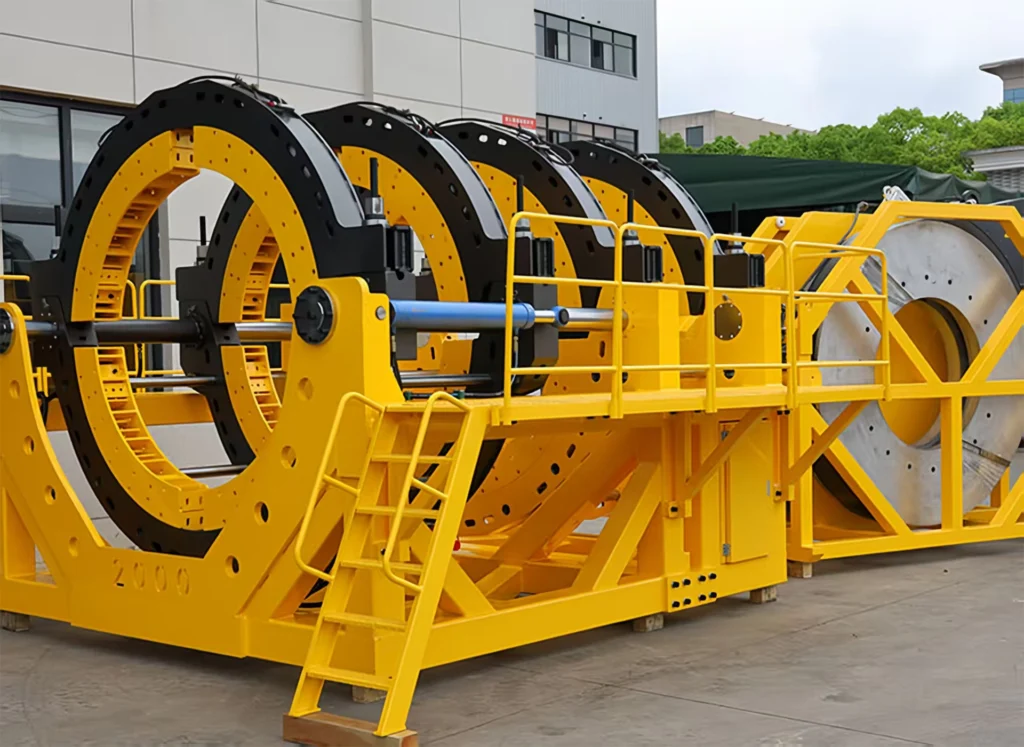
Reliable Plastic Pipe Welding Solutions for Mexico’s Infrastructure
Mexico’s booming construction, municipal water projects, agricultural irrigation systems and mining operations demand robust, field-ready HDPE welding solutions. Contractors and engineers in cities from Mexico City to Monterrey need machines that withstand high temperatures, variable site conditions and deliver leak-free joints — making butt fusion and electrofusion equipment essential for long-term pipeline performance.
Why Choose Modern Butt Fusion Technology
Butt fusion welding offers a consistent, thermoplastic bond ideal for HDPE and other polyolefin pipes. The strongest joints are produced when machines provide accurate facing, controlled heating, and uniform pressure during the fusion cycle. For Mexican projects where durability and low maintenance are priorities, this method helps reduce costly repairs and downtime.
Key Features to Look For
When selecting welding equipment for Mexico’s environments, prioritize:
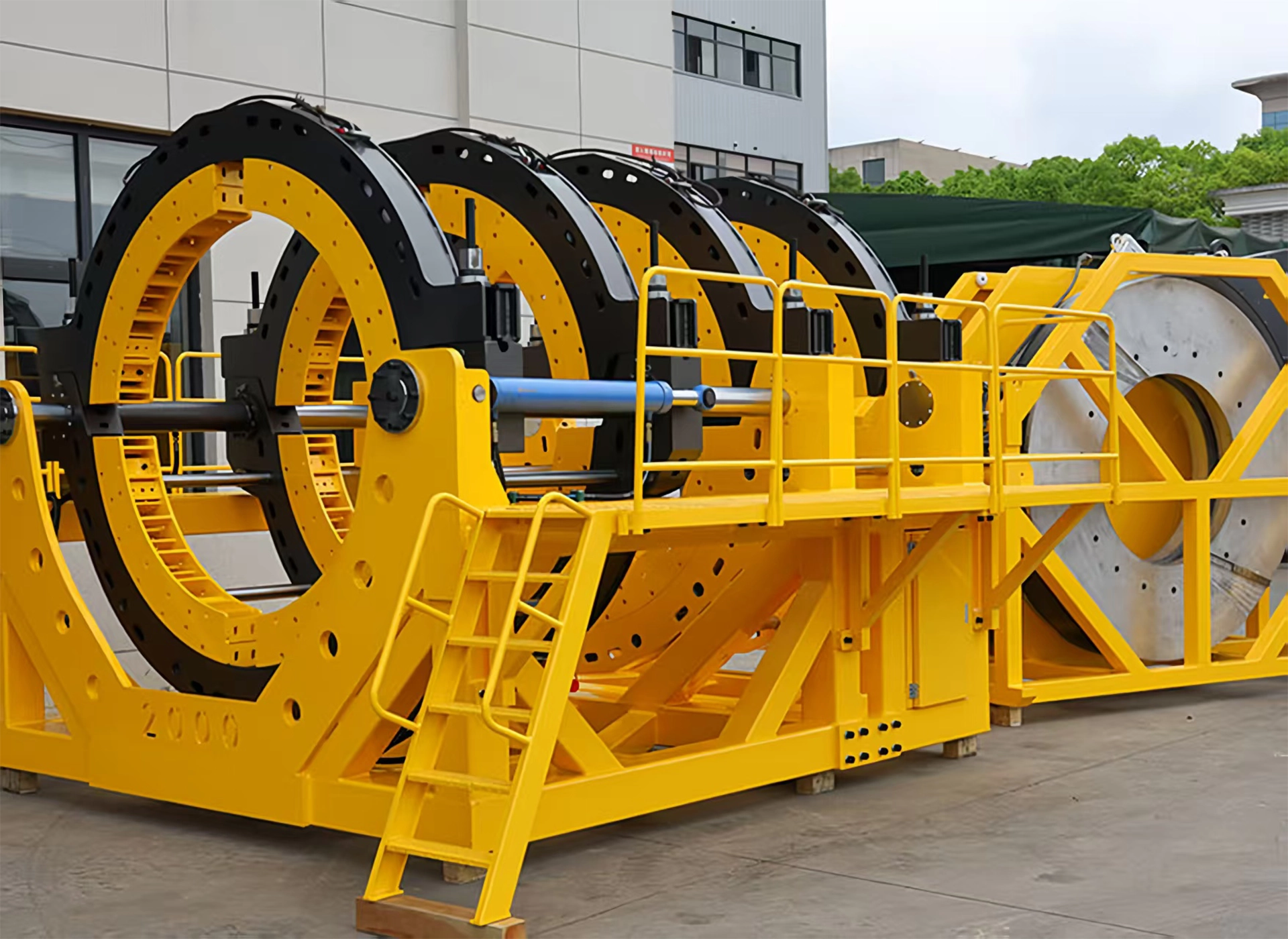
- Wide pipe size range compatibility — from small distribution lines to large-diameter mains.
- Portable and rugged frames for remote sites and uneven terrain common in rural and mining areas.
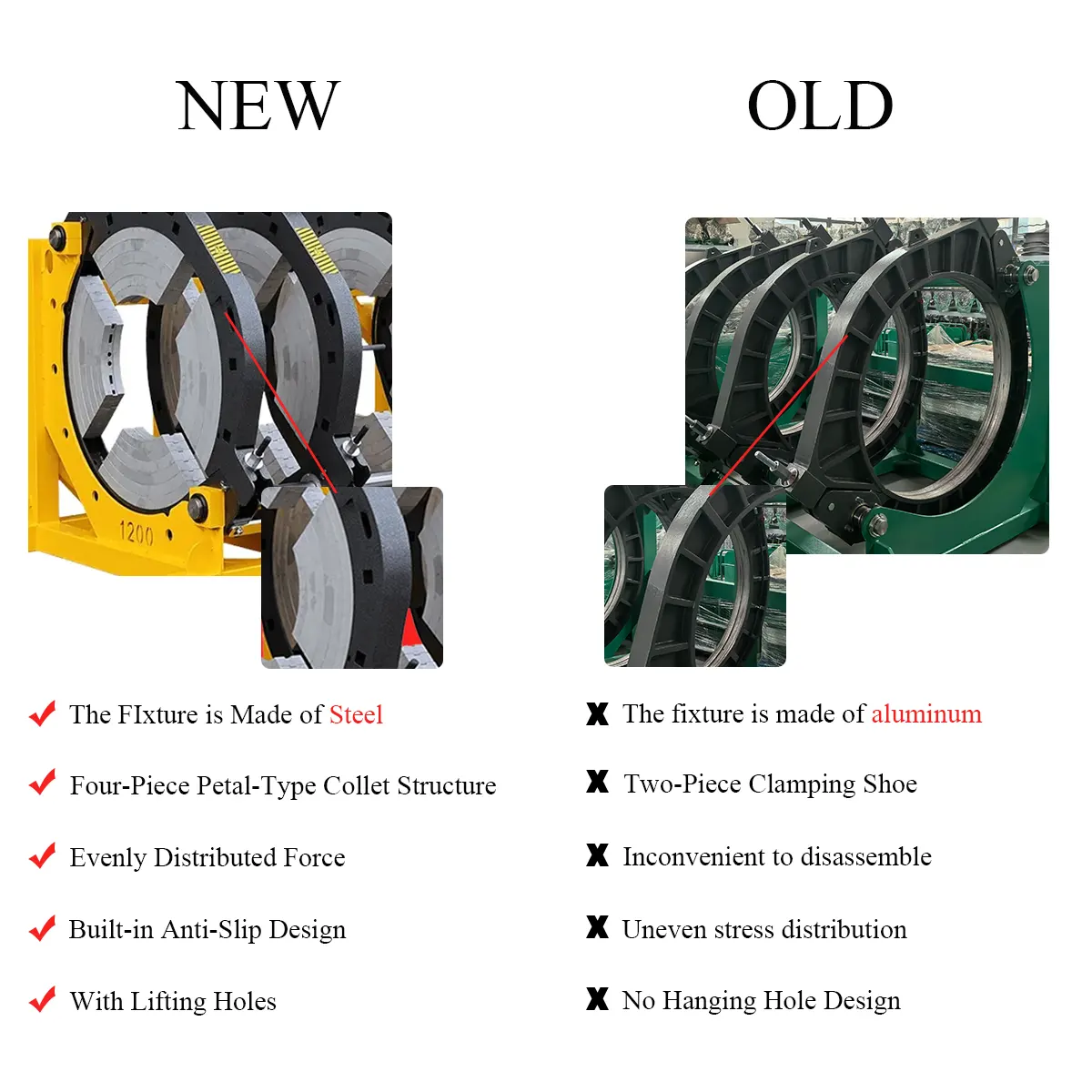
- Hydraulic or CNC control options for repeatable, ISO-compliant welds.
- Accessible spare parts and local support to minimize downtime during peak construction seasons.
Recommended Machine Types for Mexican Projects
Different applications need specific equipment:
- Manual butt fusion — cost-effective for small contractors and repair teams in municipalities.
- Hydraulic butt fusion — ideal for larger diameter sewer, water and gas pipelines in urban expansions.
- Automatic / CNC butt fusion — suited to industrial sites and long production runs where consistency and speed matter.
Performance Comparison Table
| Machine Type | Pipe Range | Primary Advantage | Best Use |
|---|---|---|---|
| Manual Butt Fusion | 20–500 mm | Low cost, portable | Local repairs, small projects |
| Hydraulic Butt Fusion | 63–1200 mm+ | Powerful, stable pressure control | Municipal mains, gas distribution |
| Automatic / CNC | 50–2250 mm | High repeatability & reporting | Industrial & large pipeline installations |
Local Considerations for Mexico
Project managers should evaluate local needs such as Spanish-language controls or manuals, training for crews, and logistics for shipping larger frames into landlocked states. In northern mining regions, dust-resistant components and robust hydraulics are crucial. In coastal and tropical regions, corrosion-resistant finishes and temperature compensation help ensure consistent fusion quality.
Installation & Support Tips
Pre-site planning — include access for transport of heavy frames and staging areas for cooling welded segments. Organize operator training with Spanish instructions and field demonstrations to improve weld acceptance. Keep a stocked kit of common spare parts to reduce idle time during dry seasons or rainy months when project schedules tighten.
Frequently Asked
Q: How do I ensure weld quality on long runs?
A: Use automated control where possible, follow ISO heating and cooling cycles, and document each weld with a clear log.
Q: Which machines are easiest to maintain?
A: Hydraulic models with modular components and easy-to-replace heater plates simplify field maintenance.
Working with a Trusted Manufacturer
For procurement and tailored equipment options, consider contacting JQ-Fusion via their official site: https://jq-fusionwelding.com/. Their lineup covers manual, hydraulic and CNC butt fusion machines suitable for Mexico’s varied pipeline projects.
Next Steps for Project Teams
Evaluate your project scale, pipe diameters and site conditions, then choose the machine class that balances cost and performance. Schedule a demonstration, request local references, and confirm spare parts lead times to keep schedules on track.



