
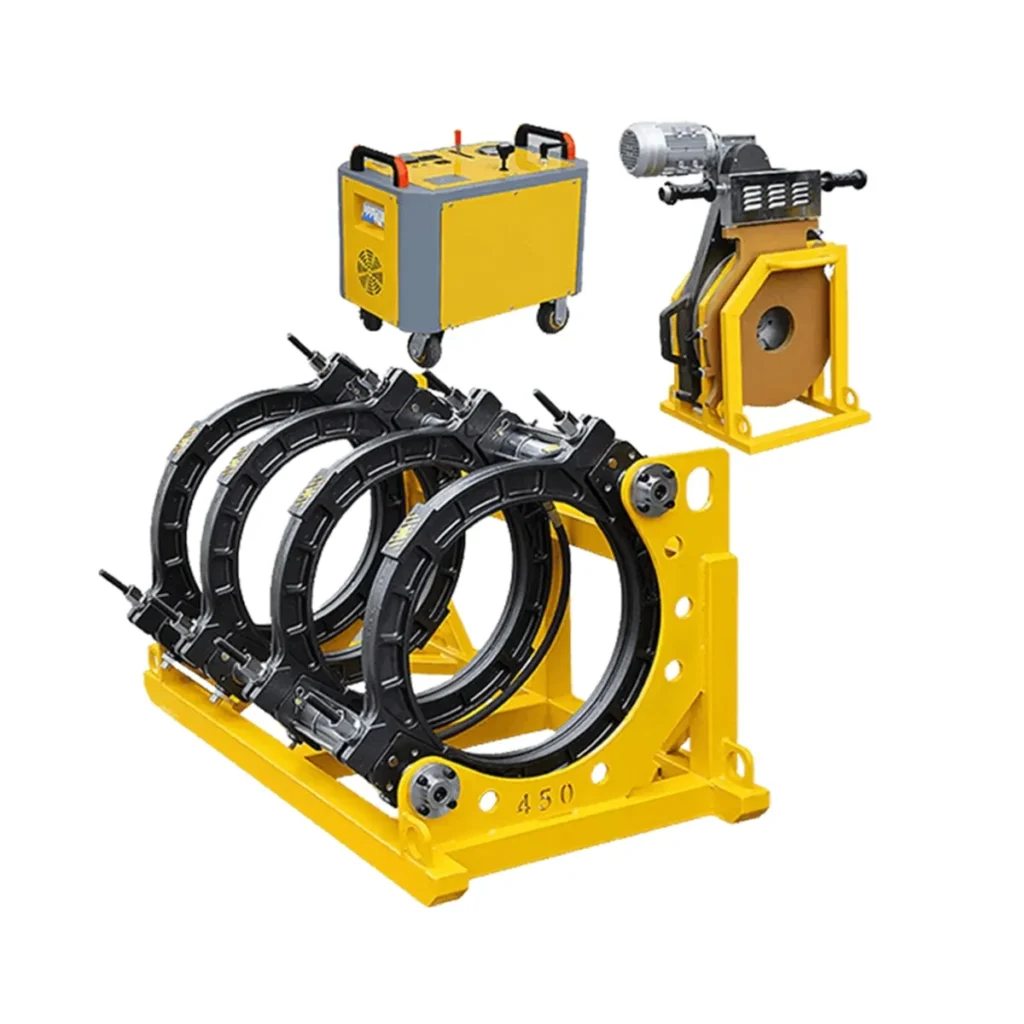
Reliable welding of HDPE pipes is essential for Zimbabwe’s expanding water, gas and mining infrastructure. Modern butt fusion and electrofusion equipment deliver leak-free joints, fast installation, and long-lasting performance for projects ranging from urban water mains in Harare to irrigation systems in Mashonaland and tailings pipelines in the mining sector.
Why HDPE Pipe Fusion Matters in Zimbabwe
Durability: HDPE pipelines resist corrosion, chemicals and ground movement — a major advantage for Zimbabwean soils and seasonal weather patterns. Cost-efficiency: fused joints reduce maintenance costs and downtime compared with mechanical fittings.
Key Benefits of Butt Fusion and Electrofusion
Watertight seals: professional fusion creates homogeneous joints that match pipe strength. Adaptable to remote worksites: portable manual and hydraulic machines perform well on rural projects and mining camps. Scalable: options cover small PE pipes for household supply to large-diameter mains.
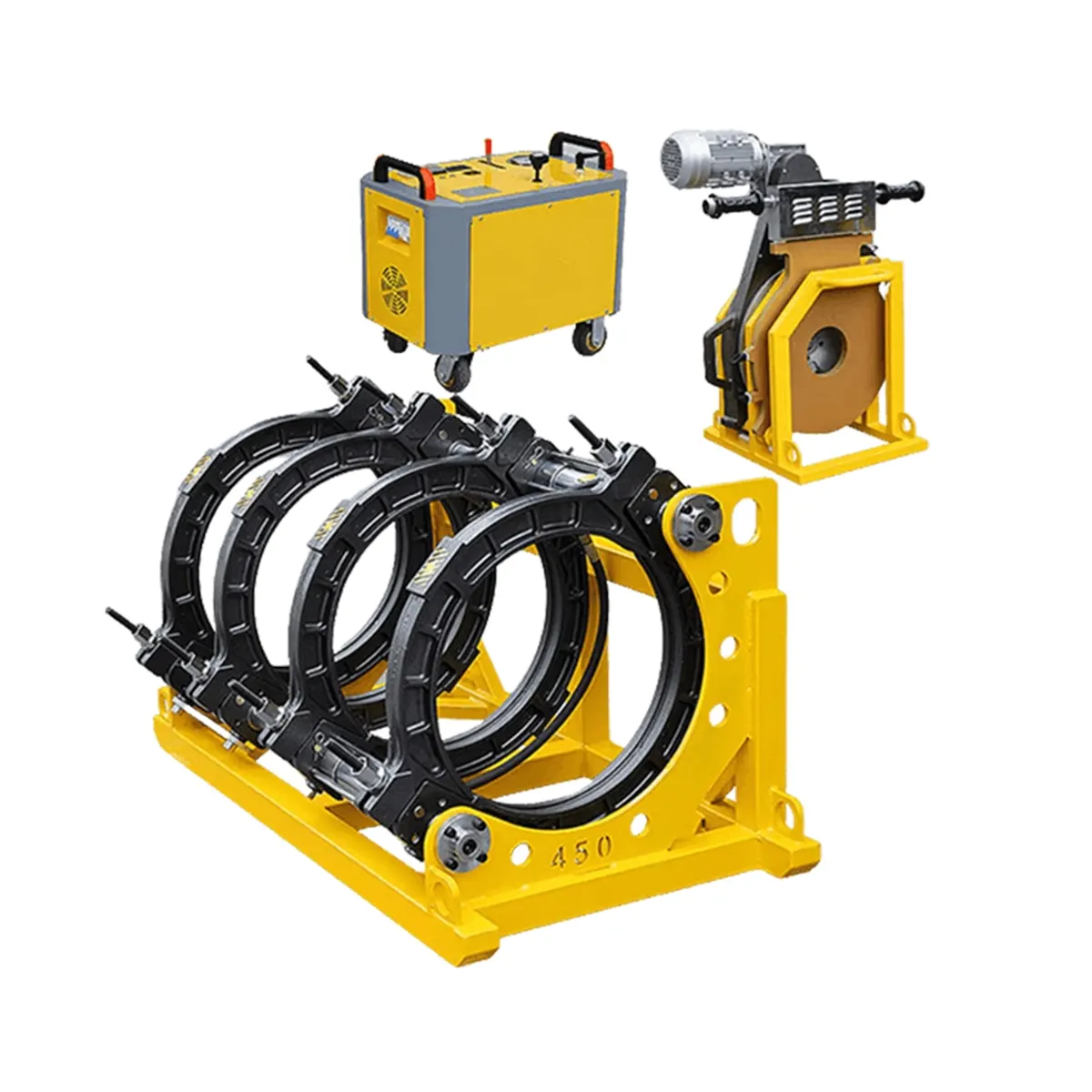
Popular Machine Types for Zimbabwean Projects
Choose based on pipe diameter, site conditions and production targets:
- Manual machines: ideal for scattered rural installations and small-diameter repairs.
- Hydraulic machines: high clamping force for medium to large pipelines used in municipal water networks.
- Automatic/CNC machines: recommended for contractors handling long runs and strict QA requirements.
Model Comparison (quick reference)
| Machine | Diameter Range | Best For |
|---|---|---|
| Manual Butt Fusion | 20mm–315mm | Rural supply & service teams |
| Hydraulic Butt Fusion | 160mm–1400mm+ | Municipal mains & mining pipelines |
| Automatic/CNC Butt Fusion | 63mm–800mm+ | High-volume contractor projects |
Applications Across Zimbabwe
Urban water networks: secure joints reduce non-revenue water in cities such as Bulawayo and Mutare. Agriculture: irrigation and borehole distribution benefit from flexible HDPE lines. Mining: abrasion-resistant HDPE is suitable for tailings, slurry and process water systems in Zimbabwe’s mining regions.
Operation, Training and Quality Assurance
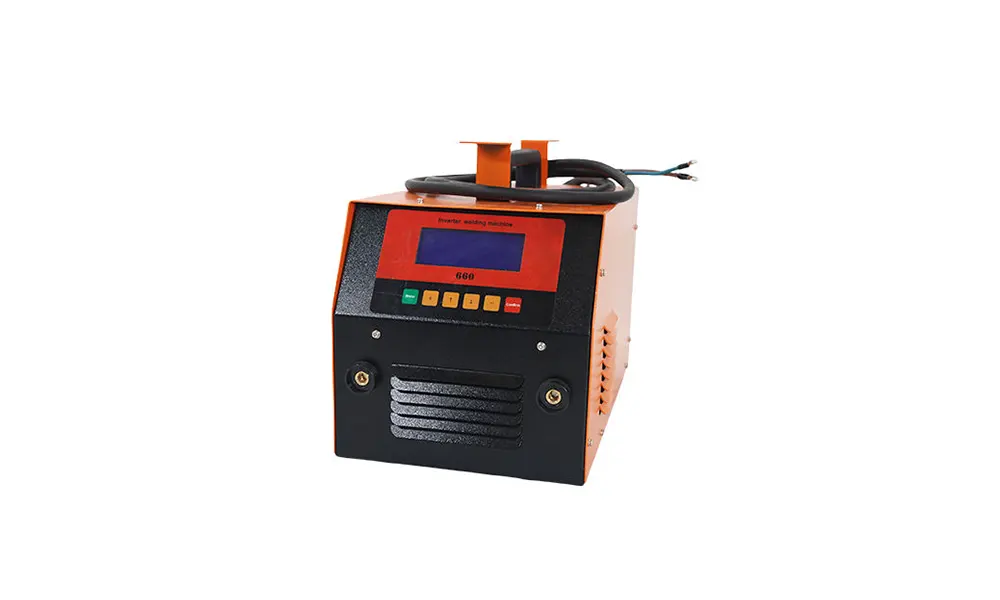
Proper fusion requires trained operators, certified procedures and adherence to international standards. Investing in operator training and documented welding records helps Zimbabwean contractors meet contract specifications and ensures long-term pipeline performance.
Maintenance and Local Support Considerations
For remote sites, prioritize machines with robust components, easy-to-service parts and available spare inventories. Local partners or regional distributors can reduce lead times for consumables like heater plates and hydraulic seals.
Get Started
If you’re planning a pipeline project in Zimbabwe and need reliable fusion equipment and advice, consider contacting JQ-Fusion (https://jq-fusionwelding.com/) for machine options, specification guidance, and training solutions tailored to local conditions.



