
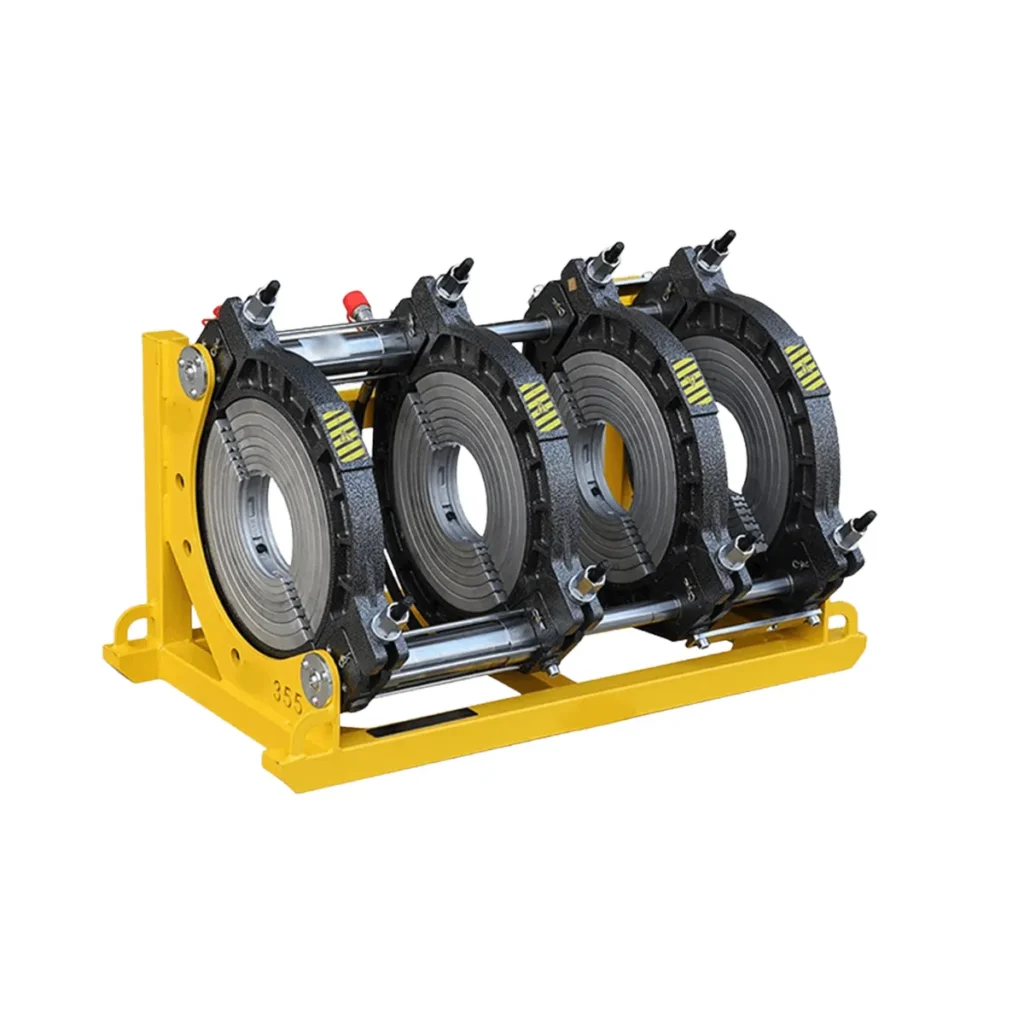
The selection of an HDPE welding machine is a critical decision for contractors, utilities, and pipeline installers who need reliable, long-lasting joints in plastic piping systems. Choosing the right equipment reduces rework, improves on-site productivity, and ensures safer, leak-free networks for water, gas, mining, and industrial applications.
Why the Right HDPE Welder Matters
Weld consistency and machine capability determine the lifecycle of a pipeline. Machines that deliver precise heating profiles, stable pressure control, and accurate alignment produce stronger butt fusion joints and fewer failures in the field. For projects with strict regulatory or third-party inspection requirements, machine traceability and reporting features can be deciding factors.
Types of HDPE Welding Machines
Manual Butt Fusion Machines
Compact and cost-effective for small-diameter pipes, manual units rely on operator skill for alignment and pressure control. They are ideal for service repairs, small municipal works, and contractors who need portability.
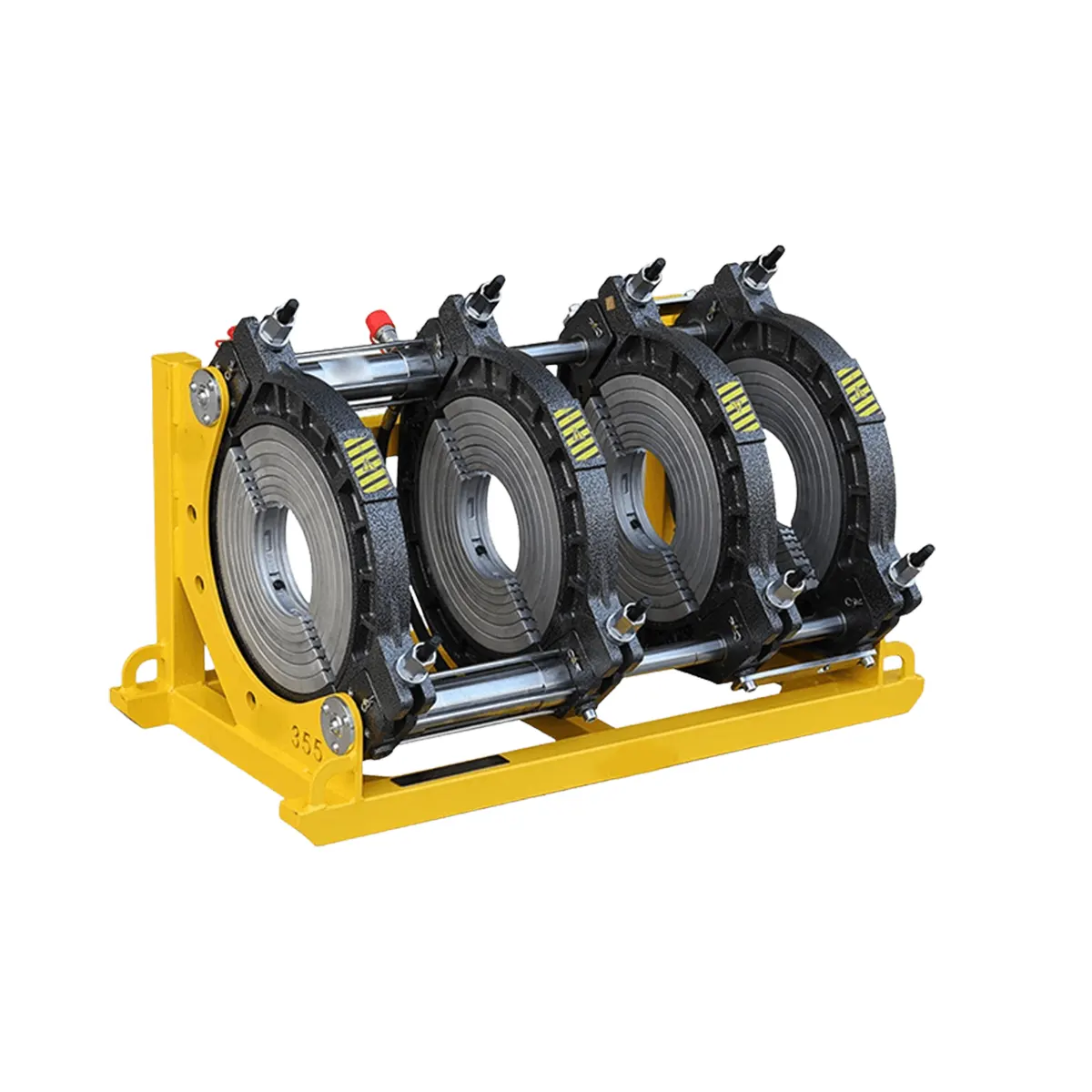
Hydraulic Butt Fusion Machines
Hydraulic systems provide consistent, controllable thrust and clamping force, improving repeatability on medium to large diameters. These units reduce operator fatigue and are a staple on construction sites where throughput and repeatable fusion parameters matter.
Automatic / CNC Butt Fusion Machines
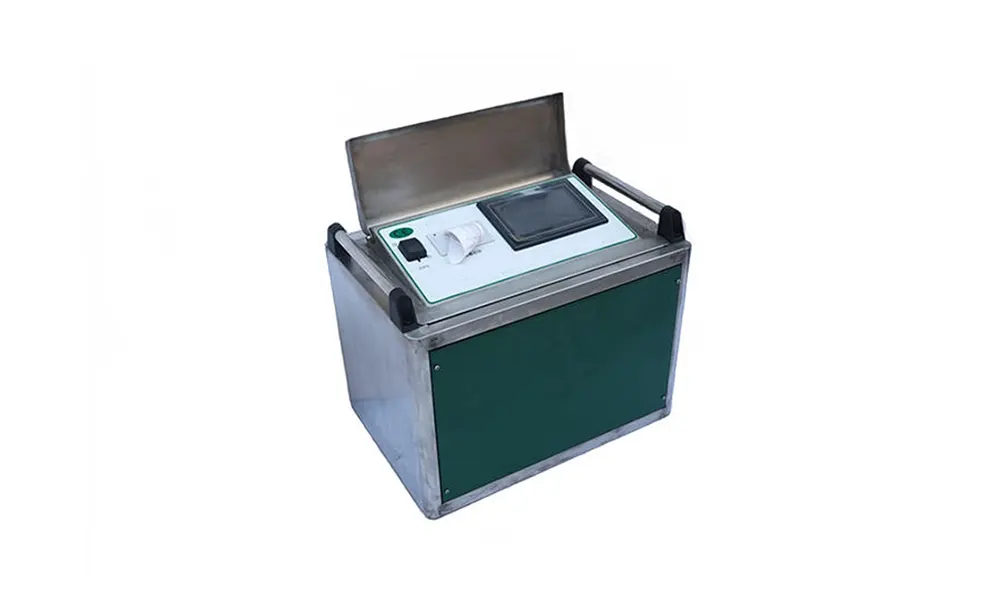
Automatic machines offer programmable cycles, real-time temperature and pressure monitoring, and automatic trimming and alignment features. For high-volume projects or large-diameter pipelines, CNC systems minimize human error and provide digital weld logs for quality assurance.
Electrofusion Units
Electrofusion is commonly used for fittings, repair sleeves, and complex joint configurations. These machines control the current and time profile of the fusion coils to ensure predictable heating of fittings and saddle connections.
Key Specifications to Compare
When evaluating suppliers and models, focus on performance metrics that directly influence joint quality and on-site efficiency:
Pipe diameter range, clamping system, heating plate control, hydraulic pressure capacity, digital control and reporting, portability, and available accessories such as alignment guides, trimming tools, and transport frames.
| Machine Type | Typical Diameter Range | Best For | Core Strength |
|---|---|---|---|
| Manual Butt Fusion | 16mm – 315mm | Repairs, small works, mobility | Low cost, portable |
| Hydraulic Butt Fusion | 63mm – 2000mm+ | Medium-large pipelines, construction sites | Consistent pressure, higher throughput |
| Automatic / CNC | 160mm – 2250mm+ | Large-diameter projects, regulated works | Digital control, weld logging |
| Electrofusion | 20mm – 1200mm (fittings vary) | Fittings, saddles, repairs | Precise heating for fittings |
Site Conditions and Operator Skill
Assess the jobsite environment: remote locations, temperature extremes, and confined trenches may favor compact or hydraulic options over heavy CNC units. Operator training is crucial—trained crews using machines with clear controls and documented cycles produce the best outcomes. Look for user-friendly interfaces and simple maintenance procedures to reduce downtime.
Maintenance, Spare Parts & Support
Reliable after-sales service, availability of heating plates, spare hydraulic seals, and electronics modules matter for uptime. Choose equipment from manufacturers with clear spare parts catalogs and responsive technical support to minimize delays on critical projects.
Validating Weld Quality
Adopt site testing and QA protocols: visual inspection, bead measurements, dimensional checks, and where needed, destructive peel or tensile tests. For critical infrastructure, digital weld logs and traceable reports from automatic machines provide documented evidence of weld parameters like heating time, temperature, and pressure.
Purchasing Tips & ROI Considerations
Balance upfront costs with lifecycle value. Automatic machines cost more but can reduce rework and inspection time. For fleets and frequent large projects, the productivity gains and documentation often justify the investment. For smaller contractors, a mix of manual and hydraulic units may offer the best combination of flexibility and cost control.
Manufacturer Selection
When selecting a supplier, confirm certifications, field references, and the range of machine models available. JQ-Fusion provides a wide portfolio of manual, hydraulic, and automatic butt fusion machines across small to very large diameters, with manufacturing and quality control geared toward pipeline projects worldwide.



