
Plastic pipe welding machines in Malaysia are central to modern HDPE pipeline projects — from municipal water networks in Kuala Lumpur to irrigation and palm oil processing lines in Johor and Sabah. This guide helps Malaysian buyers, contractors, and engineers choose the right butt fusion or electrofusion solution, understand local applications, and evaluate cost, durability, and service requirements for tropical environments.
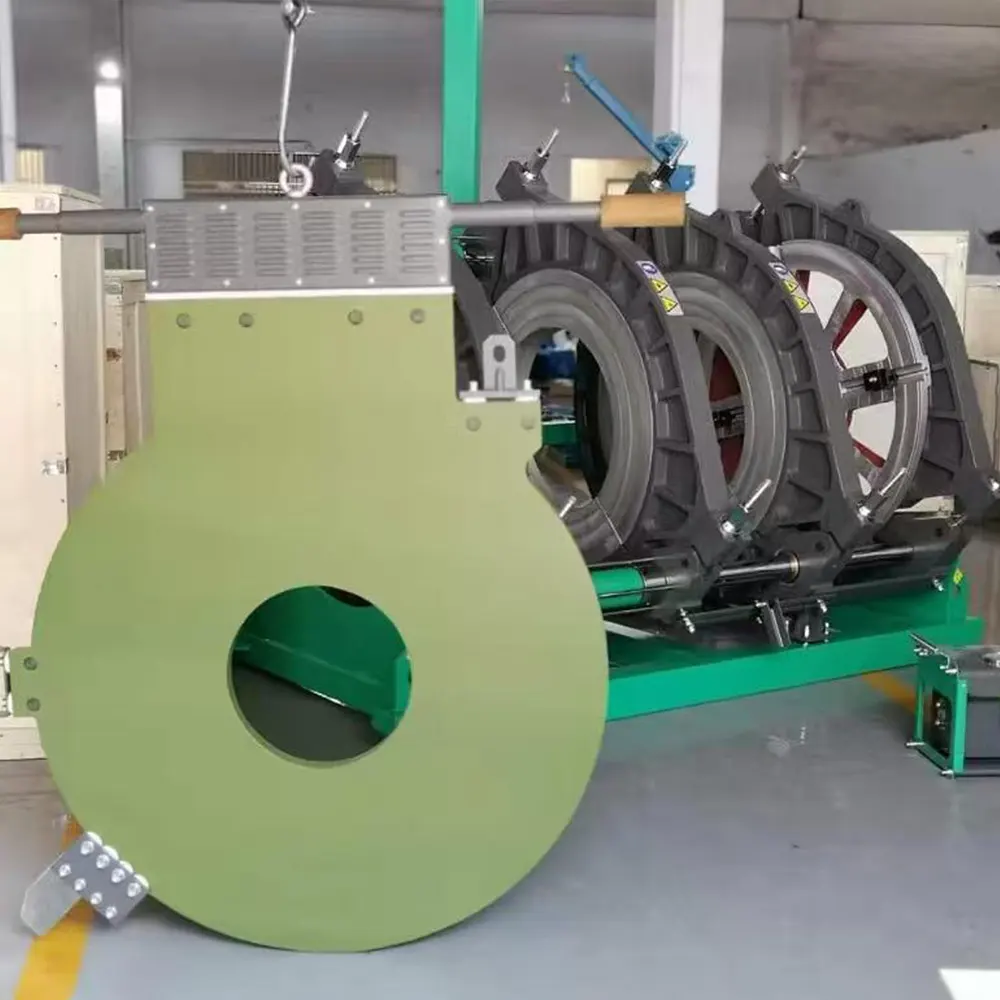
Why HDPE and Butt Fusion Are Popular in Malaysia
HDPE pipes are widely used across Malaysia because they resist corrosion, handle soil movement in tropical climates, and offer long-term leak-free service when welded properly. Typical Malaysian projects using HDPE welding include:
-
Municipal water and sewer networks (state and federal JKR projects)
-
Rural water supply and irrigation systems for plantations
-
Industrial piping in palm oil mills, mines, and factories
-
Gas distribution and telecom conduit installations
Types of Plastic Pipe Welding Machines
Selecting the right machine depends on pipe diameter, site conditions, production rate, and operator skill. Below are the common machine types used across Malaysian projects.
Manual Butt Fusion Machines
Ideal for small to medium pipelines and field repairs. Manual units are lightweight, portable, and commonly used by contractors for on-site works where mobility matters.
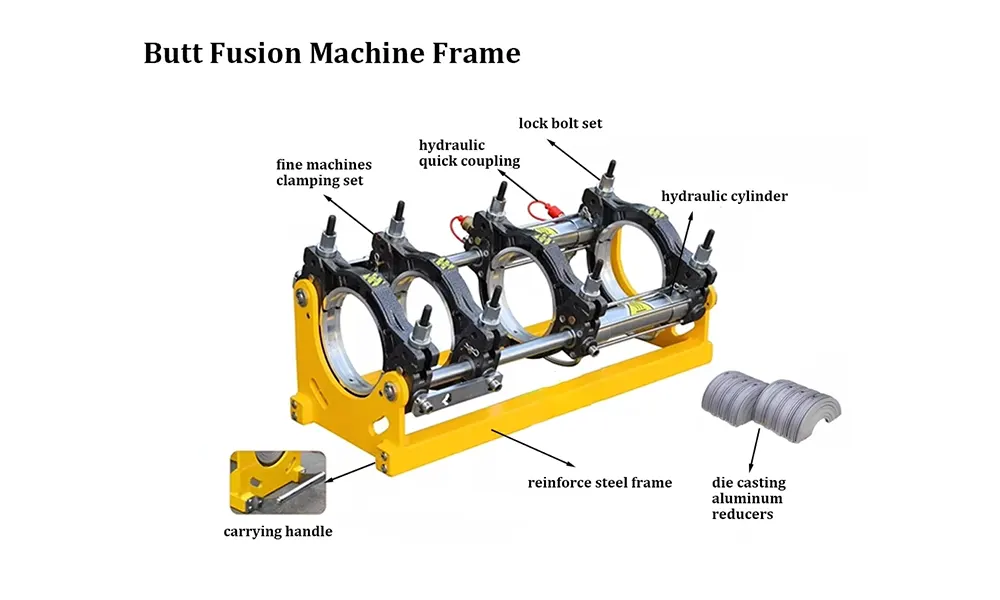
Hydraulic Butt Fusion Machines
Used for medium to large diameters; hydraulic systems provide consistent pressure control and are preferred for higher throughput and thicker-walled pipes used in municipal mains.
Automatic/CNC Butt Fusion Machines
Automatic machines deliver precision and repeatability, reducing human error. They suit factory environments or large infrastructure projects where quality control and traceable weld records are required.
Electrofusion Machines
Best for fittings, repairs, and constrained spaces. Electrofusion is common in urban Malaysia for service connections and where mechanical clamps are impractical.
| Type | Pipe OD Range | Best For | Key Benefit |
|---|---|---|---|
| Manual Butt Fusion | 20mm – 315mm | Field repairs, small mains | Portability, low cost |
| Hydraulic Butt Fusion | 63mm – 1600mm+ | Large mains, high volume | Stable pressure, heavier duty |
| Automatic/CNC Butt Fusion | 63mm – 2000mm+ | Factory welding, major projects | Precision, data logging |
| Electrofusion | 20mm – 1600mm (fittings) | Service connections, tight spaces | Ease of use, reliable fittings |
Buying Guide: Key Criteria for Malaysian Buyers
1. Track record and local support: Choose manufacturers or distributors who provide spare parts, training, and warranties. For one reliable manufacturer contact, see JQ-Fusion.
2. Machine compatibility: Confirm the machine supports the pipe sizes and SDR classes used in your project (water mains, gas, industrial lines).
3. Environmental suitability: In Malaysia’s humid, high-temperature climate, choose equipment with corrosion-resistant components and reliable electrical protection for outdoor work.
4. Certification and traceability: Look for ISO/CE compliance and features like weld data logging on automatic machines to meet client and JKR documentation needs.
5. Training and safety: Ensure operator training in butt fusion best practices, QA procedures, and local safety regulations to reduce rejects and rework.
Common Applications Across Malaysia
From urban infrastructure to plantation estates, HDPE welding machines serve many sectors:
-
Municipal utilities: drinking water and sewer pipelines installed by contractors working under local JKR standards.
-
Agriculture & Irrigation: durable HDPE laterals and mainlines for irrigation in paddy fields and plantations.
-
Industrial: chemical-resistant piping in palm oil mills, mining operations, and factories.
-
Telecom and drainage: conduit installations and stormwater solutions on Malaysian roads and developments.
Maintenance, Training & After-Sales in Malaysia
Routine maintenance extends machine life in humid climates: keep heaters and platens clean, store electronics in dry conditions, and replace seals as scheduled. Prioritize suppliers offering operator training, on-site commissioning, and regional spare parts to minimize downtime.
Quick Checklist Before Purchase
Ensure the following are confirmed:
-
Supported pipe OD range and SDR compatibility
-
Availability of local technical support and spare parts
-
Warranty terms, training options, and QC documentation
-
Power supply compatibility and transport logistics for site access in remote areas
Final Note for Malaysian Buyers
Investing in the right welding equipment improves project uptime, reduces leaks, and ensures long-term performance of HDPE systems across Malaysia’s diverse construction and industrial landscape. For professional-grade options and support, consider established suppliers who combine reliable machines with training and after-sales care.



