
Choosing the right HDPE pipe fusion machine factory for projects in the Maldives requires a mix of technical knowledge and practical logistics planning. Island geography, marine climate, and the types of infrastructure projects—water supply, sewage, resort utilities, and small-scale desalination networks—make certain machine features and supplier services more valuable than others.
Understand Local Project Needs
Start with the project scope: for remote island installations you often need compact, portable equipment and simple models that local teams can operate. For larger municipal or resort projects, consider hydraulic or CNC automatic butt fusion machines that deliver consistent high-quality welds across large-diameter pipes.
Common Maldives use cases
Water supply networks on atolls, underground sewage lines on resort islands, and inter-island pipeline repair—all demand machines that resist salt-air corrosion and tolerate variable on-site power conditions. Portability and fast setup are often higher priorities than high-speed production facilities.
Key Technical Features to Evaluate
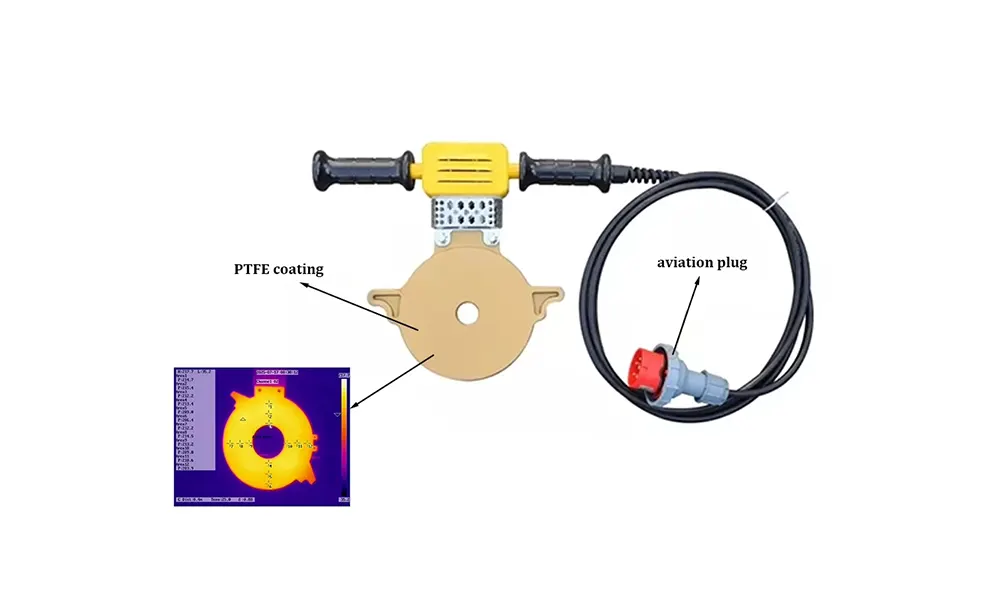
When vetting factories, check for these technical capabilities: precise alignment systems, robust heating plates, corrosion-resistant materials, and adaptable clamping solutions for varying pipe SDRs and diameters. Ease of maintenance and availability of spare parts can save significant downtime on remote islands.
Machine types and when to choose them
- Manual butt fusion — ideal for small teams and tight-access sites.
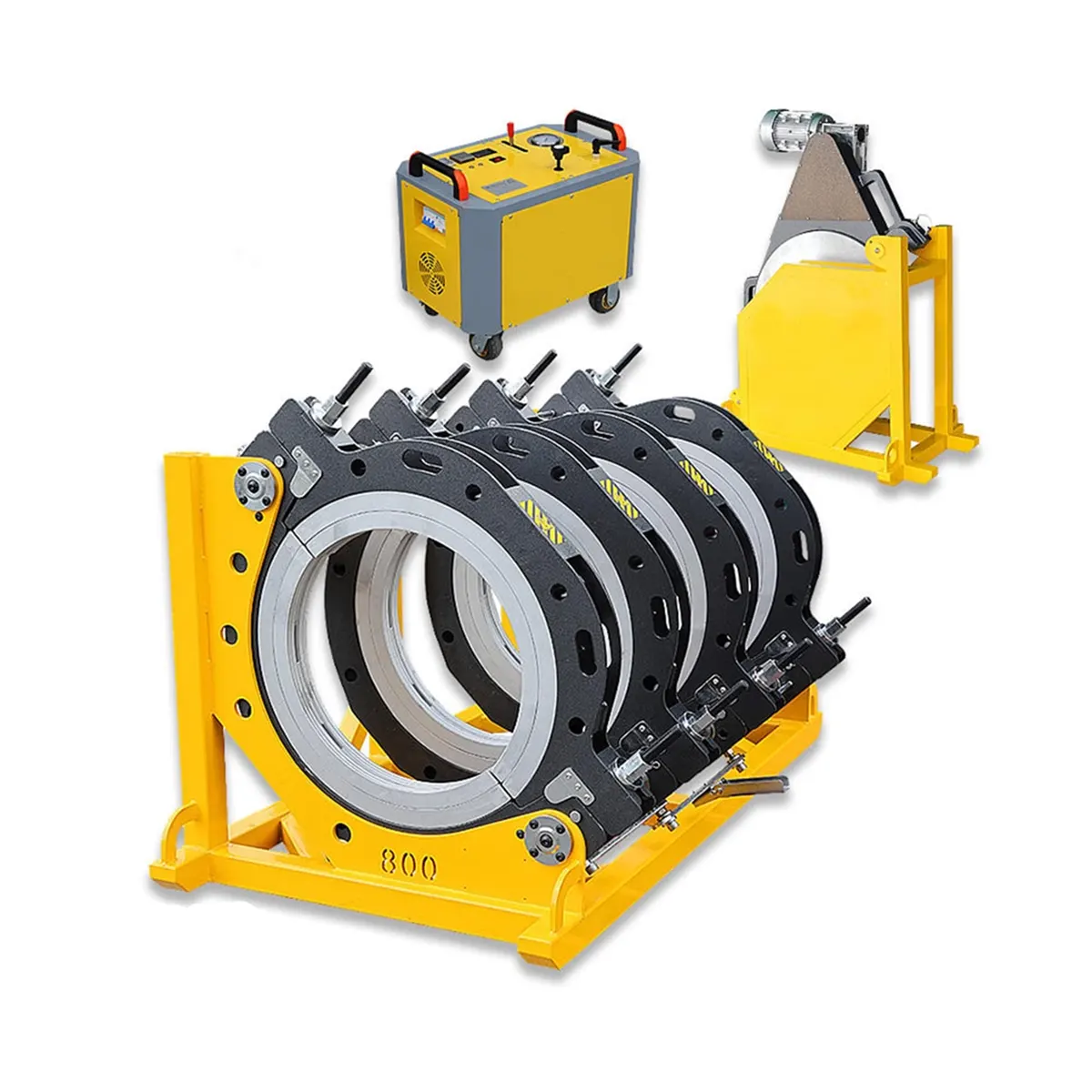
- Hydraulic butt fusion — best balance of power and portability for medium-to-large pipes.
- Automatic/CNC butt fusion — recommended for high-volume or long-term municipal projects requiring consistent, traceable weld data.
Factory Credentials and Quality Assurance
Confirm factory ISO certifications, welding standard compliance (e.g., ISO 21307 / ISO 12176 compatibility in materials & processes), and robust QC testing records. Ask for sample weld reports, component traceability, and whether the manufacturer performs salt-spray or corrosion-resistance tests relevant to maritime climates.
Warranty, testing and documentation
For Maldives projects, ensure the factory provides clear warranty terms, pre-shipment testing, and documentation needed for customs clearance and local certification. Electronic logs or weld report exports are especially helpful for contractors and government approvals.
Logistics, Shipping & On-site Support
Island projects face unique logistics: consolidated sea freight, reliable packaging for long transits, and straightforward customs paperwork. Choose a factory that offers strong export packaging, partner shipping solutions, and the option for on-site commissioning or remote setup guidance. Local technicians benefit from available spare parts kits and training programs.
Practical checklist for Maldives deliveries
- Marine-grade packaging and anti-corrosion treatments.
- Compact crates sized for small cargo vessels and light cranes.
- Export paperwork templates for quick customs clearance in Malé.
- Remote commissioning options and video-based training materials.
After-Sales Service and Spare Parts
Reliable after-sales service is essential. Factories that maintain spare parts inventory, offer fast shipping, and provide remote troubleshooting will reduce project risk. For island locations, ask about priority shipping arrangements and whether they can pre-package critical spare kits that survive long sea journeys.
Service elements to confirm
Response times, remote support channels, and local partner availability are key metrics—ask the factory for case studies showing successful deployments in coastal or island environments.
Comparison Table: Choose by Project Type
| Project Type | Recommended Machine | Why it fits |
|---|---|---|
| Small island repairs | Manual butt fusion | Lightweight, low maintenance, easy transport |
| Resort utilities | Hydraulic butt fusion | Consistent performance, portable, handles medium diameters |
| Municipal networks | Automatic/CNC machines | High output, weld traceability, reduced human error |
Cost vs. Value — What to Prioritize
Lower upfront cost can be tempting, but for Maldives projects prioritize corrosion protection, easy maintenance, and warranty support. A slightly higher investment in durable components and strong after-sales service often reduces total lifecycle cost for island pipelines.
Negotiation tips
Ask about bundled options: training sessions, spare parts kits, and export-ready packaging. Negotiate lead times and include a clause for priority spare parts shipping—this can be a lifesaver when operating on remote atolls.
How to Verify Factory Credibility
Request factory tour videos, client references (especially projects in coastal or island environments), and sample test reports. Confirm that the factory can adapt welding parameters and provide localized documentation useful for Maldivian regulators and contractors.
A final practical step
When possible, test a machine on-site or in a nearby environment before full deployment. If you need a trusted HDPE welding equipment partner for island and maritime projects, consider contacting JQ-Fusion for product details, export packaging options, and training programs.



