
Turkmenistan’s expanding infrastructure — from natural gas networks to agricultural irrigation and municipal water systems — demands rugged, reliable HDPE pipe welding solutions that perform in remote, arid conditions and withstand wide temperature swings. This guide explains how modern butt fusion technology and tailored equipment help local contractors, utilities, and oil & gas teams complete long-lasting pipeline projects with confidence.
Why Butt Fusion Welding Matters in Turkmenistan
Butt fusion is the preferred method for joining HDPE pipes because it creates homogenous, leak-free joints that resist corrosion and ground movement. In Turkmenistan, where pipelines often traverse long desert stretches and strategic gas routes, the durability and low-maintenance nature of fused HDPE systems reduce lifecycle costs and limit the need for frequent repairs.
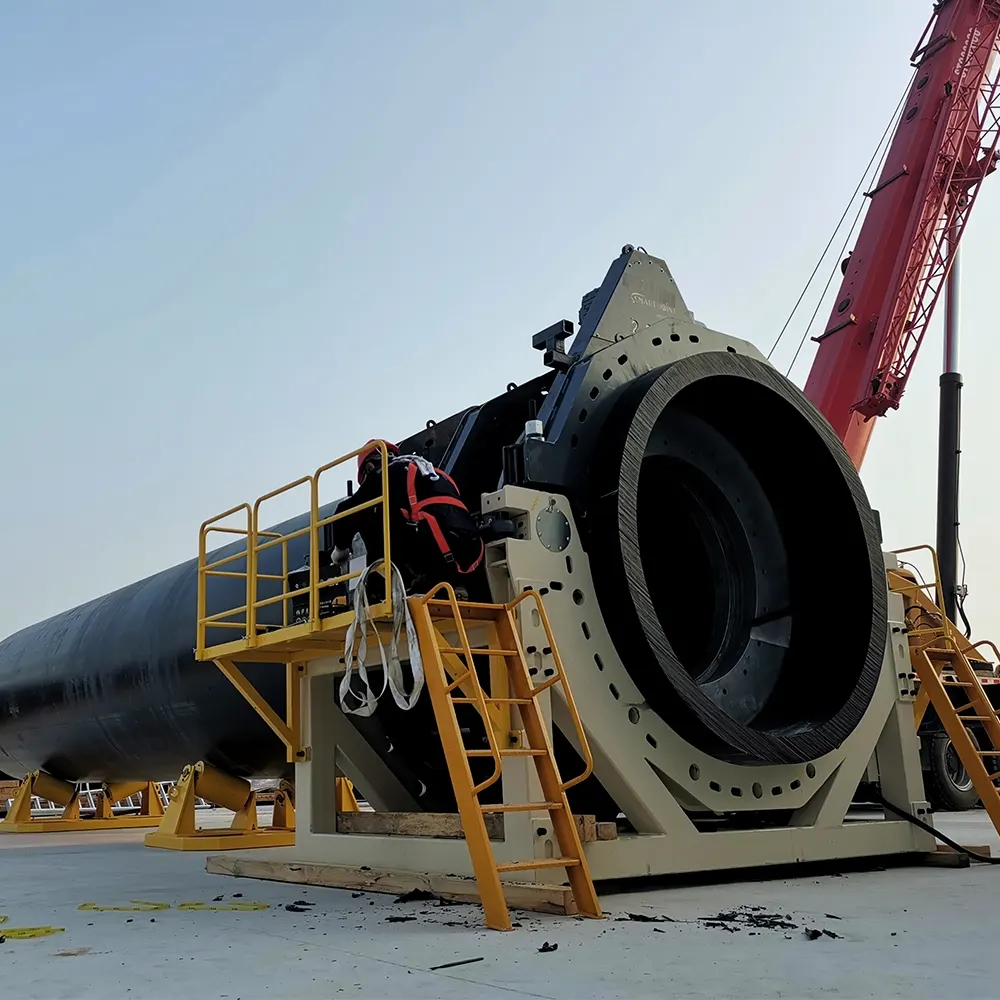
Types of HDPE Pipe Welders Suited for Local Projects
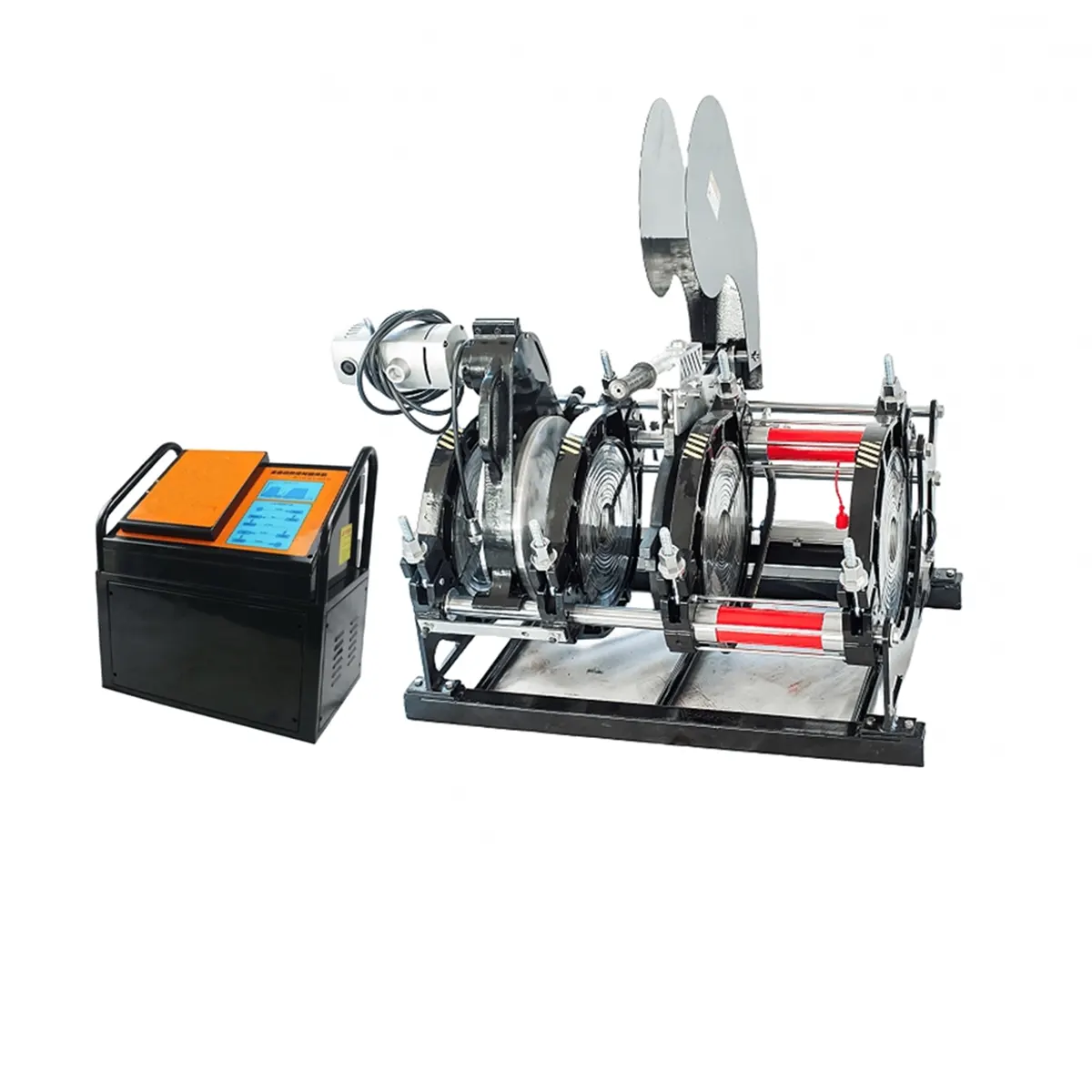
Manual Butt Fusion Machines — Ideal for small-diameter pipelines and teams working in constrained sites. Easy to transport and operate for village-level water systems and irrigation repairs.
Hydraulic Butt Fusion Machines — Provide higher clamping force and stability for medium to large diameters; useful for municipal water mains or gas distribution networks where consistent joint quality is critical.
Automatic / CNC Butt Fusion Machines — Best for long runs and large-diameter pipelines where repeatable precision and data logging improve efficiency and quality assurance on major infrastructure contracts.
Model Comparison at a Glance
| Machine Type | Diameter Range | Best For | Automation Level |
|---|---|---|---|
| Manual Butt Fusion | 16mm–315mm | Small repairs, remote villages | Low |
| Hydraulic Butt Fusion | 160mm–1600mm | Municipal & gas distribution | Medium |
| Automatic / CNC Butt Fusion | 63mm–2250mm+ | Large-diameter trunk lines, industrial projects | High |
| Multi-Angle Fitting Machines | Fittings up to large diameters | Complex fittings, branch connections | Variable |
Quality & Certification Considerations
When specifying equipment for Turkmenistan projects, prioritize machines and accessories that meet international welding standards, provide traceable weld logs, and offer robust heating plates and high-accuracy facing tools. For contracts tied to public works or energy projects, documented quality control and weld records are often required.
Training, Local Support & Workforce Readiness
Successful pipeline installations depend on skilled operators. Provide hands-on training and clear procedural documentation—ideally available in Russian or Turkmen—to local crews. Certified operator training reduces rework and ensures weld integrity in harsh field conditions. Consider scheduled maintenance support and spare parts kits to minimize downtime in remote regions.
Procurement & Logistics for Turkmen Contractors
Plan lead times for custom hydraulic or CNC units carefully. Key logistics points include shipment to Turkmenbashy port or overland delivery to Ashgabat and regional project sites. Durable packaging and clear customs documentation speed import processing. On-site assembly or commissioning by factory-trained technicians helps accelerate project ramp-up and ensures equipment is calibrated to local conditions.
Selecting the Right Partner
Choose a manufacturer that offers a balanced product range from compact manual welders to full-size automatic systems, with spare parts availability and post-sale training. For turnkey supply and long-term service options, consider contacting JQ-Fusion to discuss model recommendations and export logistics tailored to Turkmenistan projects.
Next steps: evaluate your typical pipe diameters, site accessibility, and required weld documentation. Matching equipment capability to on-the-ground realities will reduce costs and improve project delivery for water, gas, mining, and agricultural pipeline programs across Turkmenistan.



