
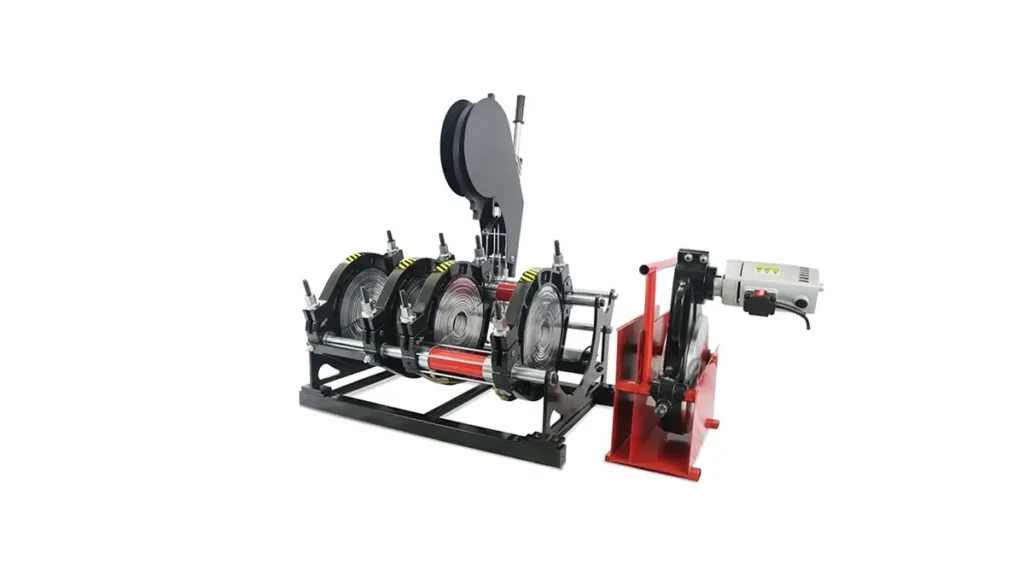
Finding the best HDPE welding machine factory in Bolivia means choosing equipment built for mountainous terrain, tropical lowlands, and heavy mining projects. This guide explains what Bolivian contractors, municipal utilities, and mining companies should look for when selecting a factory partner for butt fusion and electrofusion machines, helping you make a reliable, cost-effective decision.
Why local needs in Bolivia matter
Bolivia’s diverse geography — from the Andes to the Amazon basin — creates unique pipeline installation and maintenance challenges. Projects in high-altitude cities like La Paz require machines that handle cold, low-oxygen conditions, while Amazonian water supply works need rugged, corrosion-resistant units that resist humidity and transport stresses. Mining operations in Potosí and Oruro demand heavy-duty hydraulic units for large-diameter pipes and continuous duty cycles.
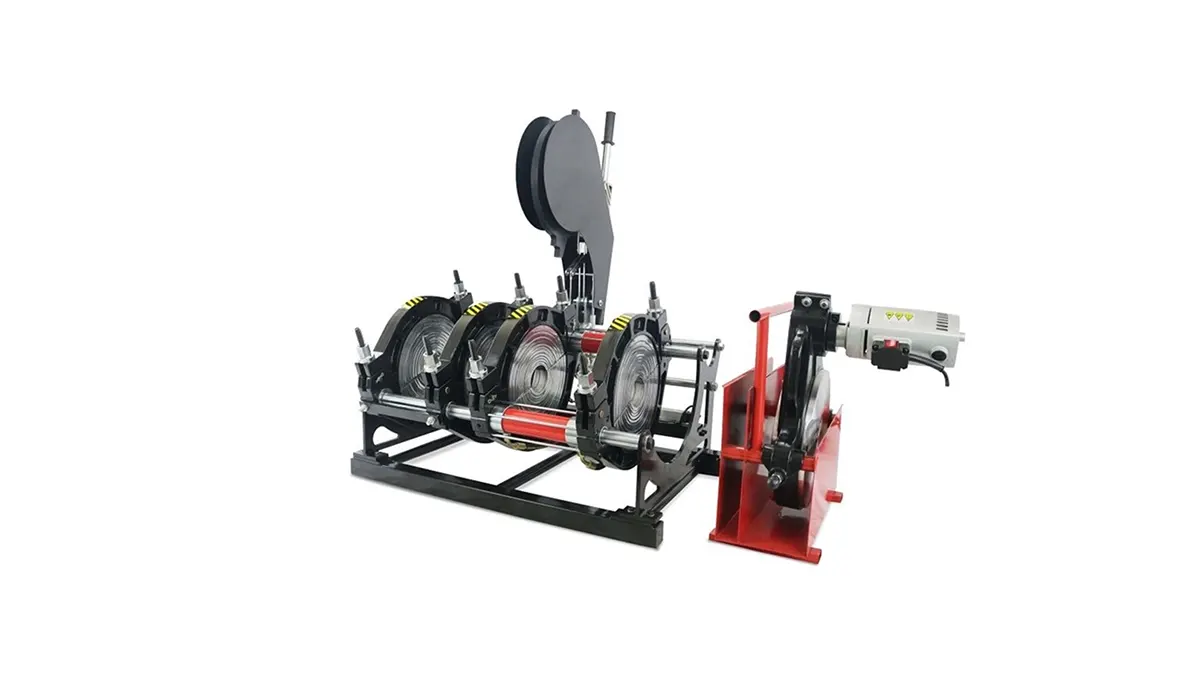
Key features to prioritize when evaluating a factory
Look for manufacturers that offer a balance of quality, service, and adaptability. Important criteria include:
1. Robust product range: Machines that cover small-diameter municipal lines to large-diameter mining pipelines.
2. After-sales support and spare parts: Fast supply chains or local distributors to minimize downtime on remote Bolivian sites.
3. Port and logistics experience: Factories familiar with shipping to landlocked Bolivia — coordination with Chilean or Peruvian ports, customs handling, and inland freight are valuable.
4. Training and documentation: On-site or virtual training in Spanish, plus clear manuals and welding procedure specifications for local crews.
Safety, standards and certifications
Choose factories with ISO quality systems and machines that comply with international butt fusion standards. For Bolivian public tenders and long-term infrastructure projects, documented welding procedures and traceable test records matter. Durability and warranty terms are also essential for operations in remote mining or highland environments.
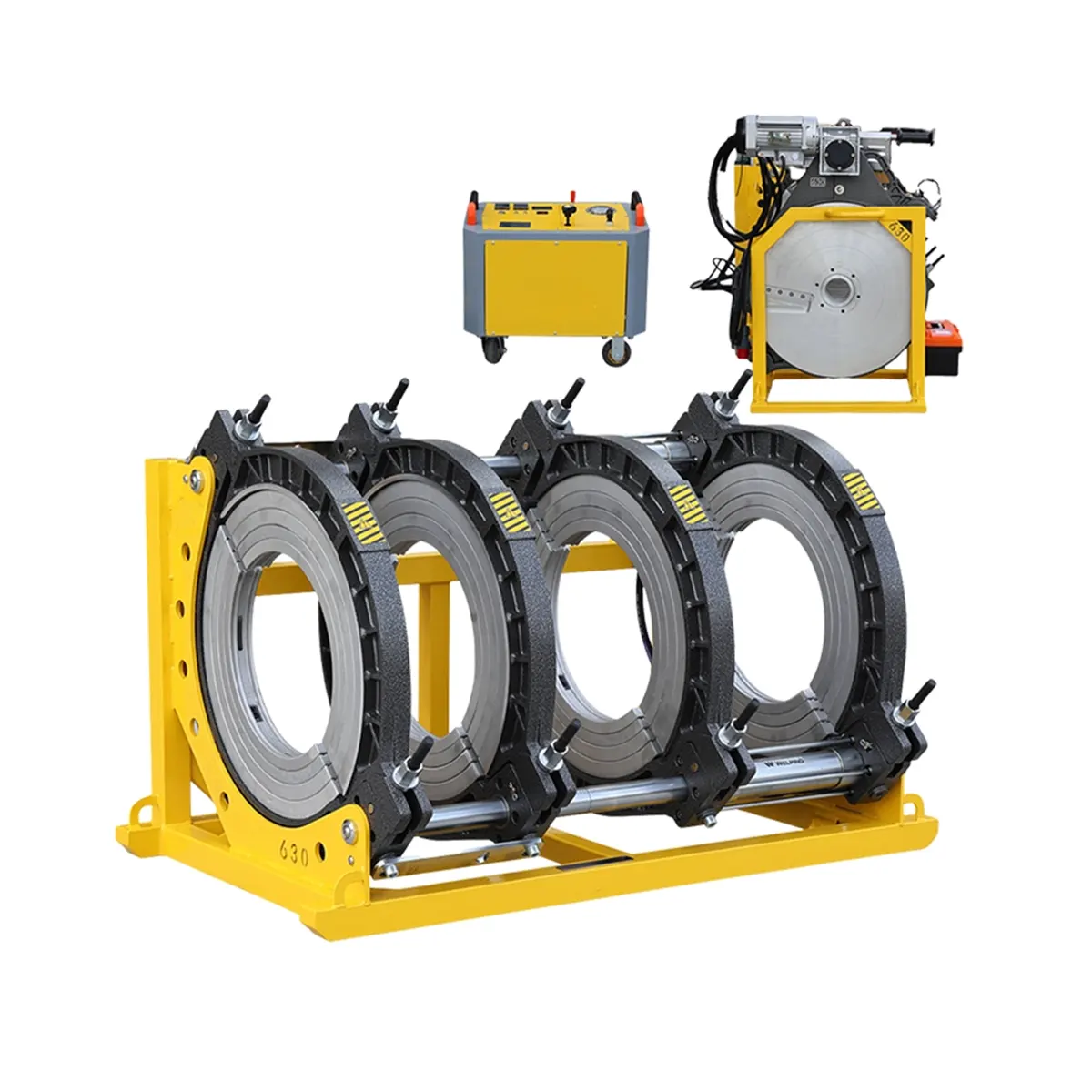
Recommended machine types for common Bolivian projects
Below is a quick reference table to match job types with machine classes — a practical tool when comparing factory offerings.
| Machine Class | Typical Pipe Range | Automation | Best For |
|---|---|---|---|
| Manual Butt Fusion | 16–160 mm | Low | Small urban water repairs, tight-access sites |
| Hydraulic Butt Fusion | 160–1600 mm | Medium | Mining pipelines, municipal distribution mains |
| CNC Automatic Butt Fusion | 63–1000+ mm | High | Large infrastructure, long runs with strict QA |
| Electrofusion Units | Fittings and smaller OD pipes | Variable | Gas distribution, repairs where fittings are used |
Selecting the right factory partner: checklist
Ask about: lead times to Bolivia, local warranty support, Spanish-language training, spare parts availability, and examples of similar installations in Latin America. For mining companies, request case studies showing machines used under continuous operation.
About the factory example
JQ-Fusion is a professional manufacturer specializing in HDPE pipe welding machines, providing reliable butt fusion solutions for global infrastructure projects. With a comprehensive range from manual to CNC automatic butt fusion machines, they support water supply, gas distribution, mining, and industrial pipeline systems and offer customizable options to meet unique Bolivian project needs. Visit https://jq-fusionwelding.com/ for details.
Final tips for Bolivian buyers
Factor in altitude effects on welding procedures, plan logistics to the nearest Pacific ports if necessary, and prioritize factories that provide on-site commissioning and Spanish-speaking technical support. A well-chosen HDPE welding machine factory will reduce downtime, improve weld quality, and keep your water, gas, and mining projects running smoothly across Bolivia.



