
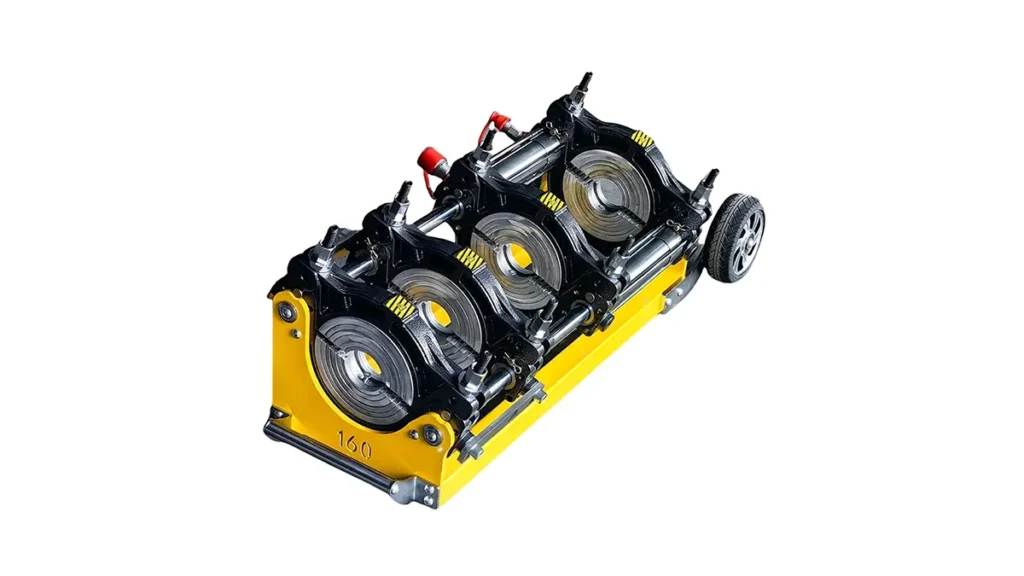
Choosing the best HDPE pipe welder manufacturer in Paraguay means matching equipment performance to local infrastructure needs—from urban water networks in Asunción to agricultural irrigation systems in the Chaco and river-port logistics along the Paraguay and Paraná rivers. This guide highlights practical criteria to help contractors, utilities and distributors select the right butt fusion and electrofusion welding partner.
Understand Paraguay’s Project Environment
Local conditions matter: Paraguay’s warm, humid climate and seasonal rain patterns affect storage and onsite welding procedures. Many projects are remote—road access can be limited, so smaller portable machines and robust packaging are often preferred. Municipal waterworks, rural irrigation for soy and cattle ranching, and gas distribution in growing urban areas create diverse demand for HDPE welding solutions.
Technical Criteria: What to Compare
When evaluating HDPE pipe welders in Paraguay, compare machines on these technical points to ensure reliable, code-compliant joints:
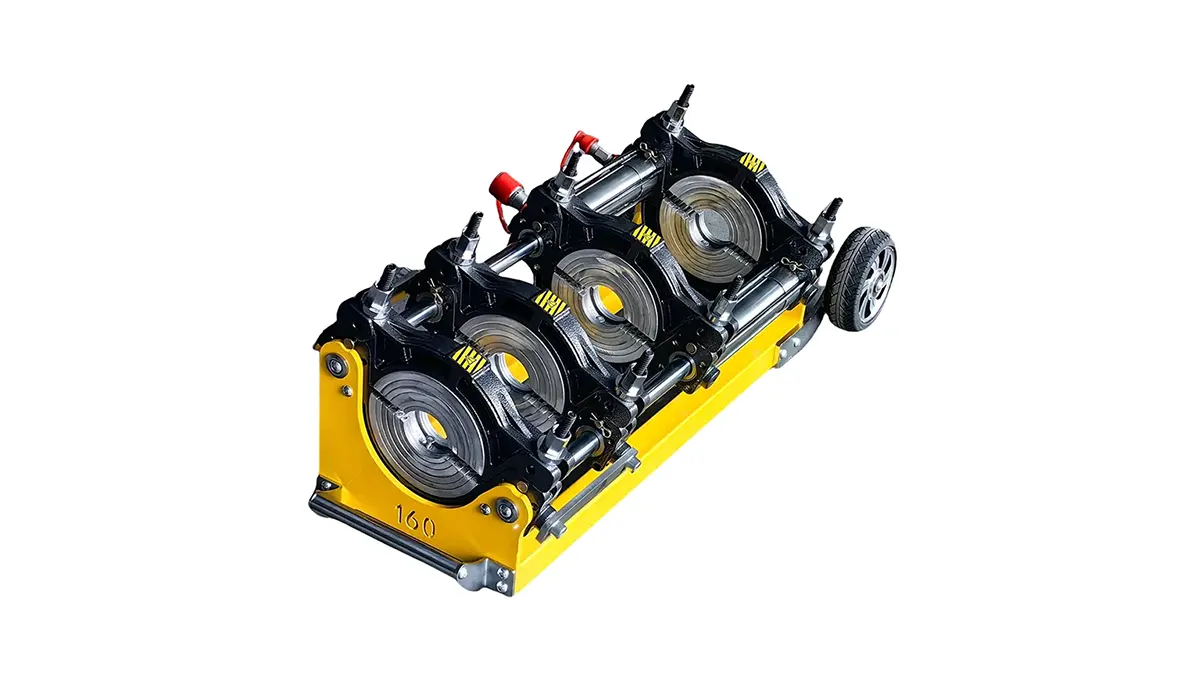
- Machine type: manual, hydraulic, or CNC automatic butt fusion—each suits different project scales.
- Pipe diameter range and clamp system compatibility with PE80/PE100 pipes.
- Accurate temperature and pressure control for consistent butt fusion quality (look for digital controllers and logging features).
- Build quality: corrosion-resistant materials and sealed electronics for humid or riverine environments.
- Compliance with international welding standards (ISO/ASTM) and available traceable weld records.
Quick Comparison: Machine Types
| Machine Type | Best For | Typical Pipe Range | Automation |
|---|---|---|---|
| Manual Butt Fusion | Small jobs, tight budgets, remote sites | 16mm – 630mm | Low |
| Hydraulic Butt Fusion | Contractors, medium-to-large pipelines | 63mm – 2250mm+ | Medium |
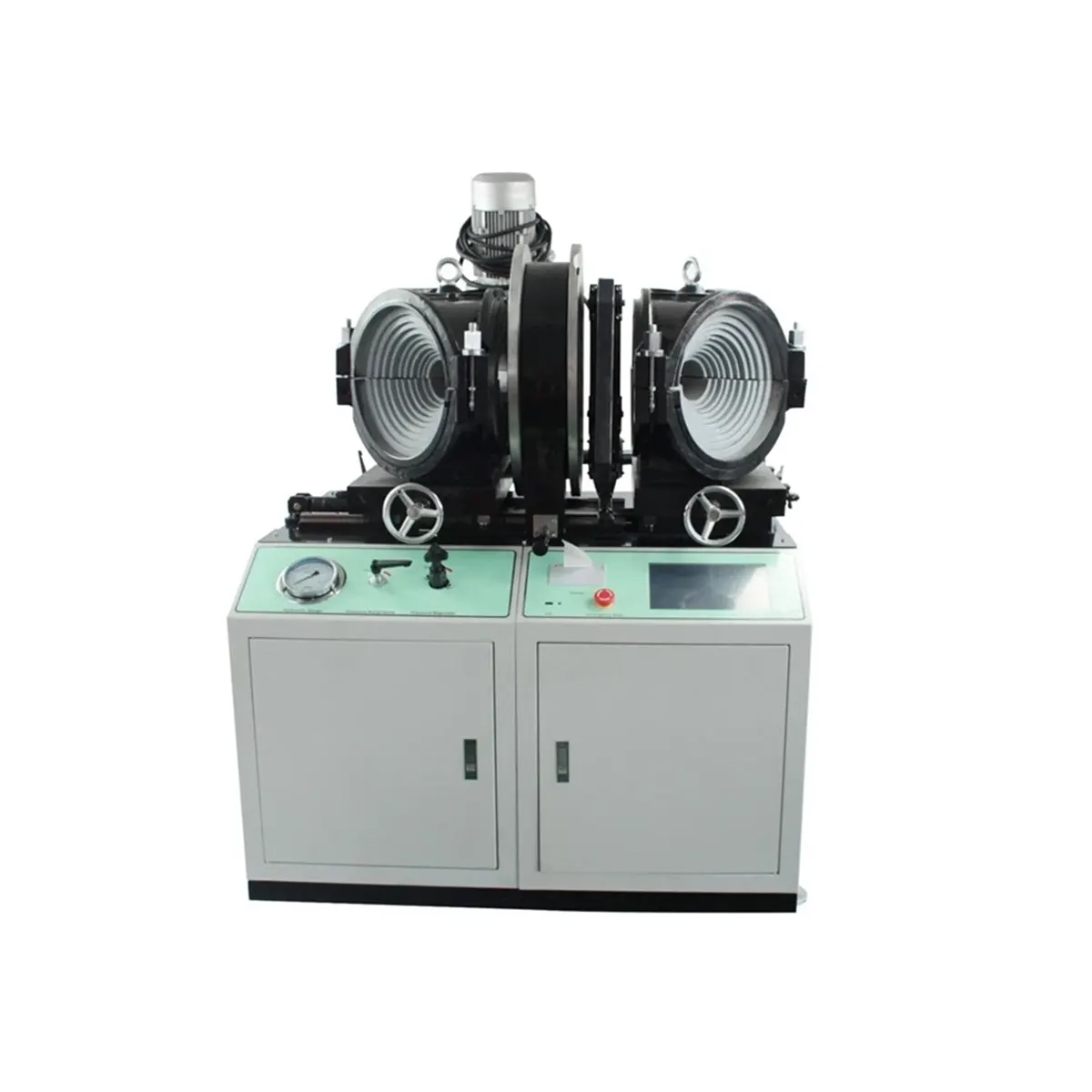
| CNC Automatic | High-volume, precision, records & reporting | 90mm – 1600mm+ | High |
Quality, Service & Local Support
A top manufacturer should offer clear warranties, easy access to spare parts, training, and remote support in Spanish. For Paraguay, verify the supplier’s shipping experience (river and land transport), customs documentation, and any local partner or distributor who can provide on-the-ground service. Prioritize suppliers that provide training for Paraguayan technicians and offer consumables (heating plates, trims) with fast lead times.
Cost vs Value — Choose Long-Term Reliability
Lowest purchase price is rarely the best long-term choice. Consider lifecycle costs: energy use, consumables, repairability, and operator training. Highly automated machines reduce human error and rework on major water and gas projects—saving time and money on large Paraguayan contracts.
Pre-Purchase Checklist
– Confirm pipe size coverage and machine capacity.
– Ask for reference weld records and compliance certificates.
– Request a spare-parts list and typical lead times to Paraguay.
– Verify on-site training availability and language of manuals.
– Check packaging and transport solutions for river/road freight.
Making the Final Selection
Bring stakeholders together—project managers, maintenance teams and operators—to evaluate demo units or case studies. Insist on documented welding procedures and operator training so field crews in Paraguay can achieve repeatable, certified joints from day one.
For reliable HDPE pipe welding equipment, consider manufacturers with a broad product range and proven global delivery capability. JQ-Fusion (https://jq-fusionwelding.com/) supplies manual, hydraulic and CNC automatic butt fusion machines and supports infrastructure, water and agricultural projects worldwide.



