
Electrofusion machine factories serving the Philippines play a vital role in building and maintaining resilient HDPE pipeline networks across islands, from Metro Manila’s urban water and gas distribution systems to remote provincial irrigation and mining projects. With tropical climate challenges, salt air corrosion, and frequent transport between islands, Filipino contractors need reliable, portable, and easy-to-service electrofusion welding equipment that ensures leak-free joins and long-term pipeline integrity.
Local Advantages of Buying from a Philippine-Focused Electrofusion Factory
Choosing a supplier experienced in the Philippine market means faster logistics, customs-aware packaging, and machines designed for field conditions common in the country. Regional installers benefit from equipment that is compact for island transport, tolerant of high humidity, and accompanied by practical training for local crews working on municipal waterworks, rural electrification, and LPG distribution lines.
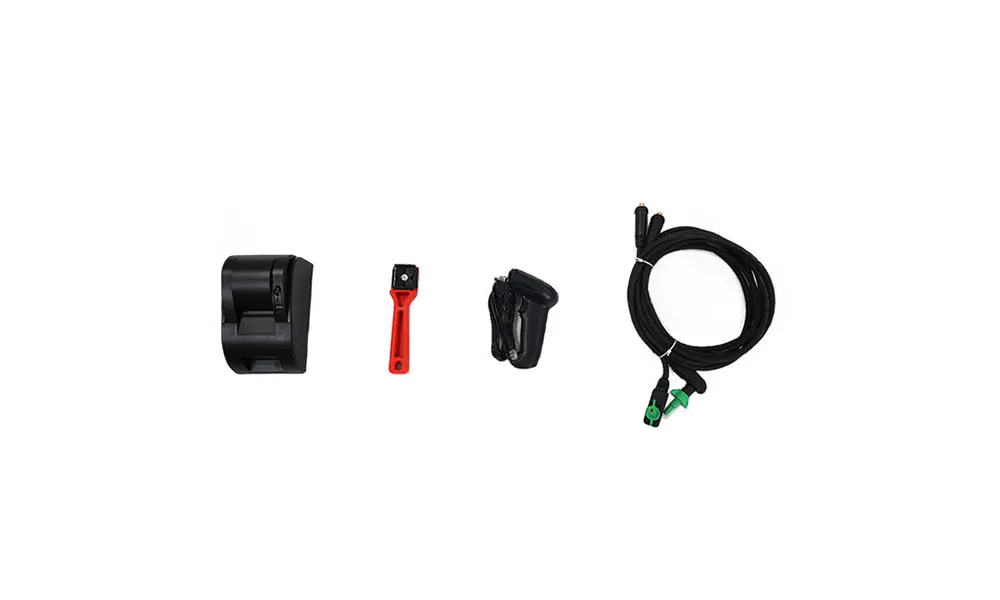
Electrofusion Machine Types and When to Use Them
Portable units are ideal for service teams repairing distribution mains or working in tight urban alleys. Bench or workshop stations provide higher power and repeatability for prefabrication yards. Automatic and programmable electrofusion machines are suited to large-scale infrastructure projects where traceable weld records and consistent cycle control are required.
Quick Comparison Table
| Machine Type | Best For | Typical Pipe Range | Key Benefit |
|---|---|---|---|
| Portable Electrofusion Unit | Field repairs & small jobs | 20mm – 160mm | Lightweight, battery options |
| Bench / Prefab Station | Workshop prefabrication | 20mm – 315mm | Stable power & high throughput |
| Automatic / PLC-Controlled | Large projects & traceability | 50mm – 800mm+ | Programmed cycles & weld logs |
Selecting Machines for Philippine Conditions
Ask manufacturers about humidity-resistant enclosures, corrosion-proof connectors, and packaging suitable for sea freight. For island logistics, modular and foldable frames speed up land and ferry transport. Ensure local spare parts availability or rapid shipping schedules to minimize downtime on distributed projects across Visayas and Mindanao.
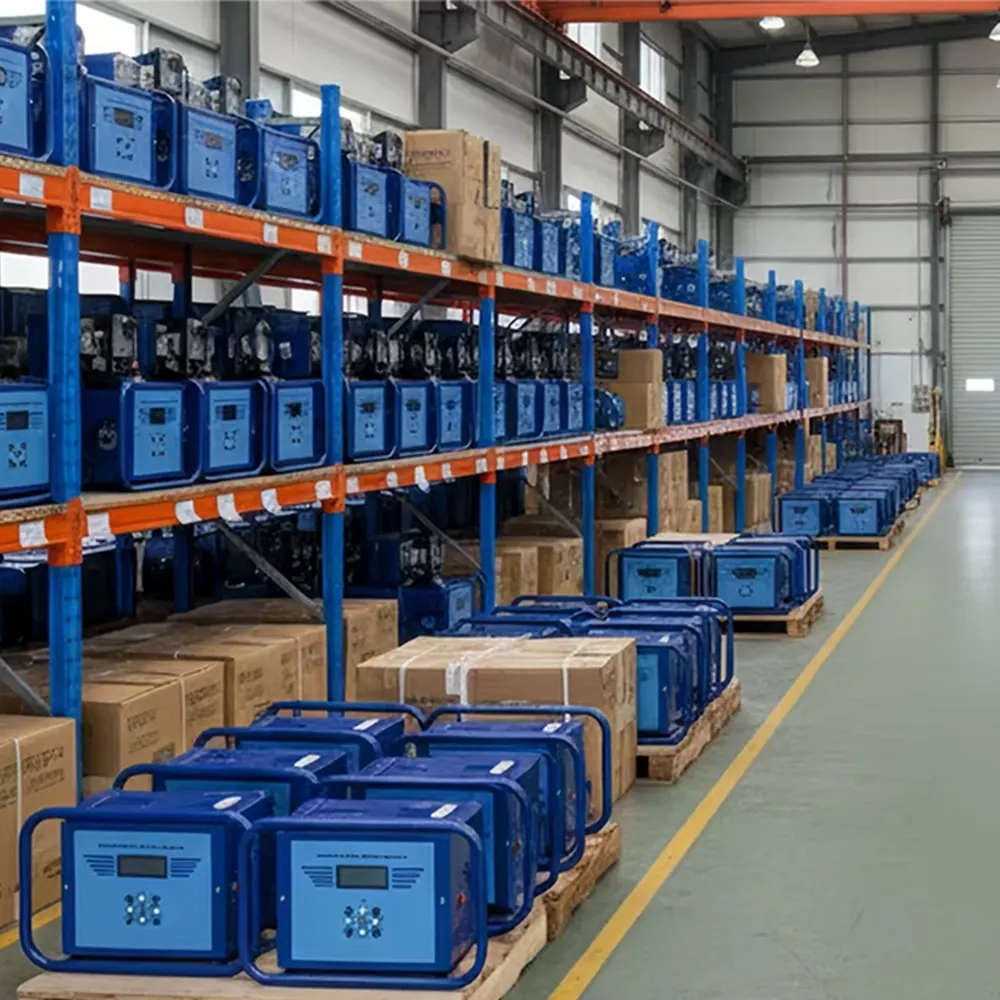
Installation, Training, and On-Site Support
Electrofusion welding relies on correct procedures: pipe preparation, socket alignment, and controlled heating cycles. Filipino contractors should prioritize suppliers that provide on-site or virtual training, clear documentation, and certification-ready weld logs for regulatory agencies and project owners like local water districts and DPWH contractors. Equally important is access to technical support in local time zones to resolve field issues quickly.
Maintenance & Safety Considerations
Regular maintenance of clamps, cables, and control units extends service life in harsh coastal environments. Choose machines with replaceable contact leads and readily available circuit components. For safety, make sure units include overcurrent protection, clear status indicators, and simple emergency shutoffs—critical when working in remote or multi-shift operations.
Why Partner with an Experienced Manufacturer
A reliable manufacturer with broad HDPE welding experience can provide tailored solutions for the Philippines’ diverse projects—from municipal water distribution upgrades and island resort resorts’ utilities to mining pipeline systems. For dependable electrofusion machines and comprehensive support, consider contacting JQ-Fusion at https://jq-fusionwelding.com/ —a specialist in HDPE welding equipment built for global infrastructure needs.
Final Tips for Buyers
Before purchase, request demonstration videos, check references from Philippine projects, verify spare parts lead times, and confirm training options. Selecting the right electrofusion equipment reduces leak risks, shortens project schedules, and improves long-term performance across the archipelago’s unique environment.



