
Choosing the right poly pipe welder maker for projects in Niger means matching equipment to harsh climate, remote work sites, and the types of pipelines most common in the region (village water supply, irrigation networks and industrial/mining lines). A smart purchase balances machine type, portability, power requirements and after-sales support to ensure long-term uptime across Sahel conditions.
Understand Niger’s Project Needs
Project scale: Small rural potable water systems typically use 20–160mm HDPE pipes, while urban and industrial works require larger diameters (up to 630mm and beyond for major trunk lines). Contractors and NGOs often need compact, easy-to-transport units; mining and large infrastructure contractors prefer hydraulic or automatic systems capable of high-volume work.
Climate and terrain in Niger demand machines that tolerate high ambient temperatures, dusty conditions and long transport distances. Power reliability is a key factor — many sites will rely on generators or portable power solutions rather than a stable grid.
Key Machine Types and When to Choose Them
| Machine Type | Best For | Niger Specific Advantages |
|---|---|---|
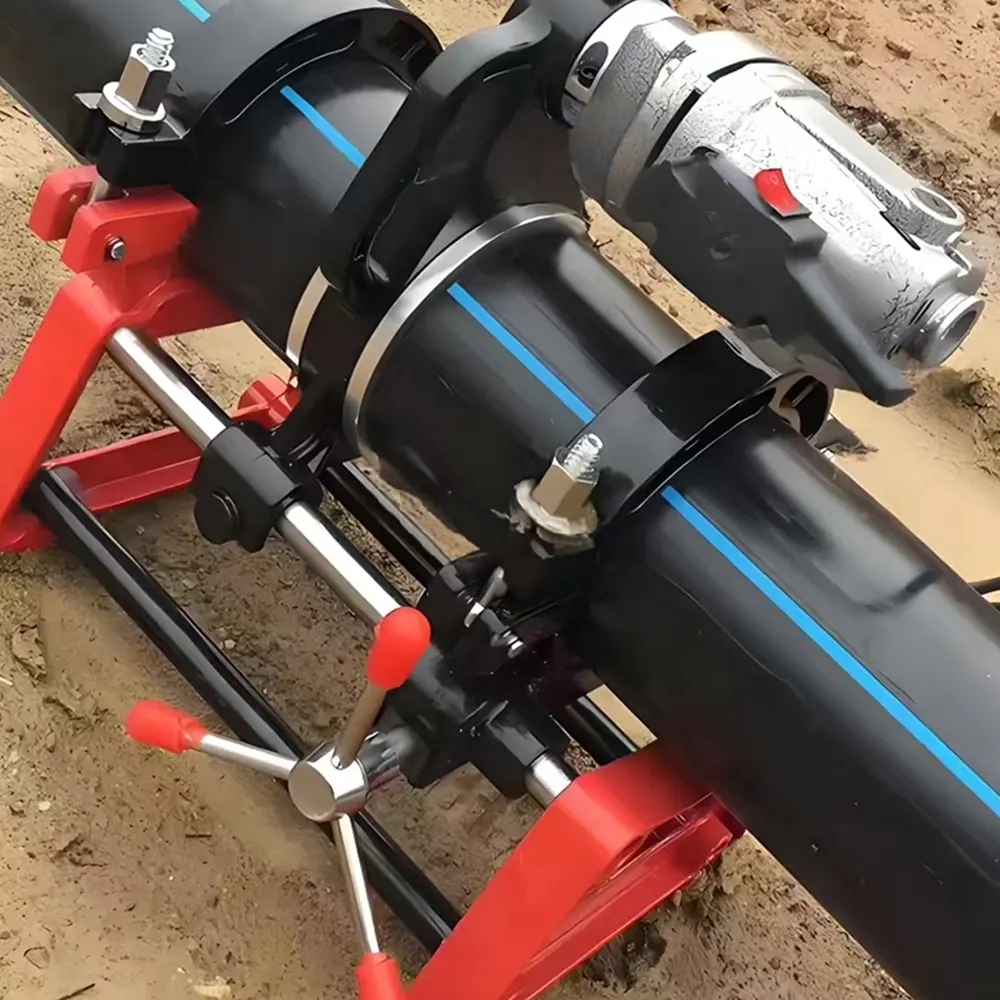
| Manual Butt Fusion | Small pipelines, remote village projects | Lightweight, easy to transport, low maintenance |
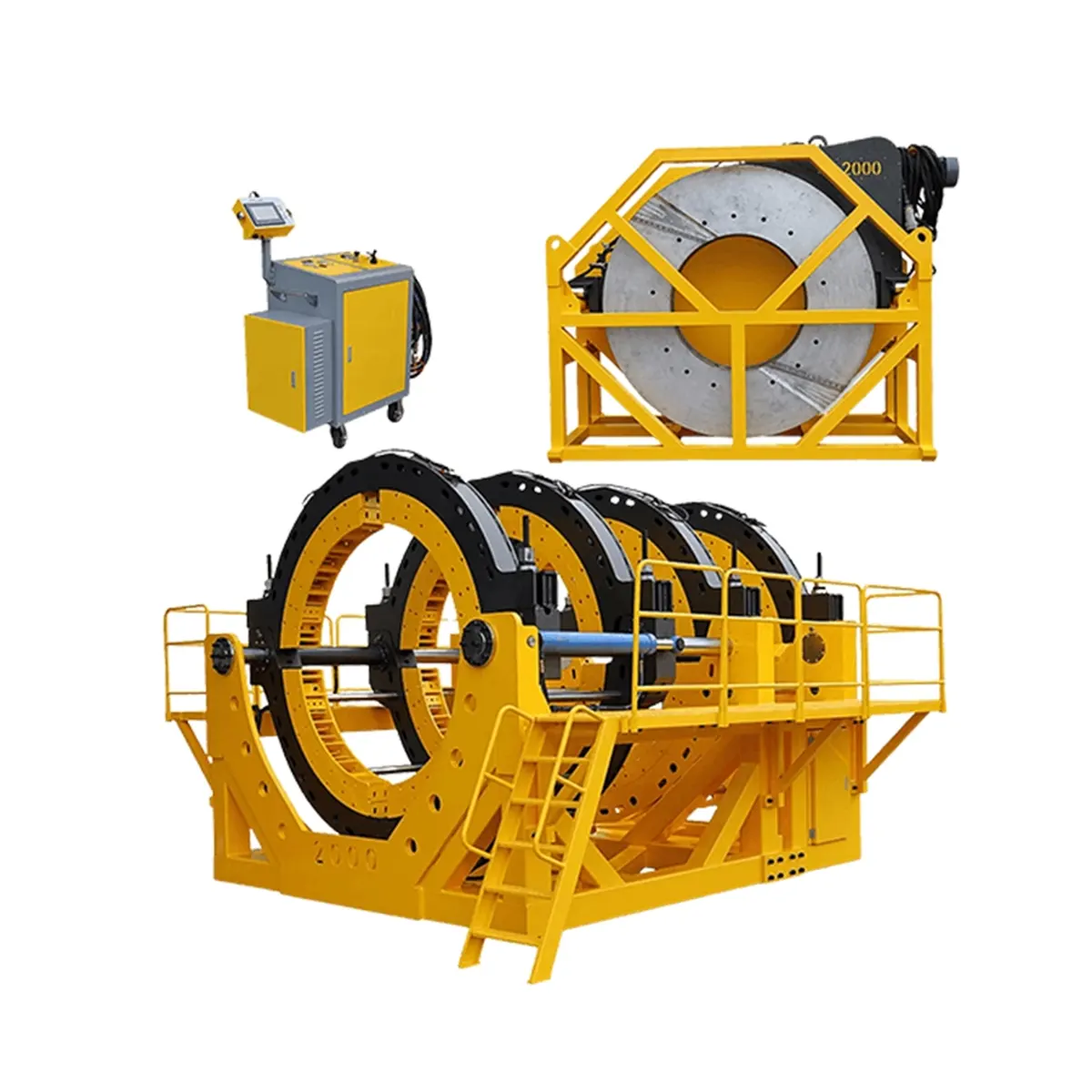
| Hydraulic Butt Fusion | Medium to large pipes, municipal works | Higher clamping force and precision for durable joints |
| Automatic/CNC Butt Fusion | High-volume projects, long-distance pipelines | Repeatable welds, digital control, reduces operator error |
| Electrofusion | Joins with fittings, repair works | Fast, localized joints for repairs and complex fittings |
Power, Site Logistics and Portability
Confirm the machine’s power options: in Niger many sites rely on diesel generators, so choose welders with flexible voltage input or an option to run from generator/inverter systems. Lightweight manual units are ideal for remote villages; hydraulic and CNC systems should have robust transport frames if used across rough roads. Consider equipment that withstands high ambient heat without overheating the heating element or control electronics.
Durability, Materials and Welding Quality
Inspect build quality: aluminum versus steel frames, seal quality on hydraulic units, heating plate accuracy and temperature controls. Machines that maintain stable temperature under fluctuating ambient conditions produce more reliable welds. Make sure the welder supports common pipe materials used in Niger — HDPE and PE100/PE80 grades — and the diameter ranges you need.
Service, Spare Parts and Training
Local or regional support is crucial. Ask potential makers about spare parts lead times to landlocked Niger, training for technicians, and remote troubleshooting options. Warranty terms and availability of consumables (heating plates, cutters, clamps) affect uptime. For many Niger contractors, on-site training and a spare-parts kit can prevent costly delays.
Logistics, Compliance and Total Cost of Ownership
Niger is landlocked — factor transit from major ports (e.g., Lomé, Abidjan, Lagos) plus inland trucking and customs clearance. Check the manufacturer’s documentation for export packing, CE/ISO certificates, test reports and clear invoicing to ease customs. Compare purchase price plus shipping, installation, training and spare parts to understand true lifecycle cost.
How to Vet a Manufacturer
Factory visits or video tours: Request images/videos of production, quality checks and test welds. Reliable makers show assembly lines and testing procedures.
References and case studies: Ask for projects in Sahel or similar climates to confirm performance in high heat and dusty environments.
Certifications and standards: Verify ISO, CE and welding procedure compliance; request sample weld records if available.
Spare parts & lead times: Confirm parts stocking and shipping times to Niger; a local distributor or regional warehouse shortens downtime.
Ready to Buy?
When you’re ready to shortlist suppliers, compare machine types to the table above, verify power compatibility for Niger sites, and choose a partner that offers training, spares and clear export documentation. For reliable HDPE fusion options and global supply experience, consider contacting JQ-Fusion to discuss machines and logistics tailored to Niger projects.



