
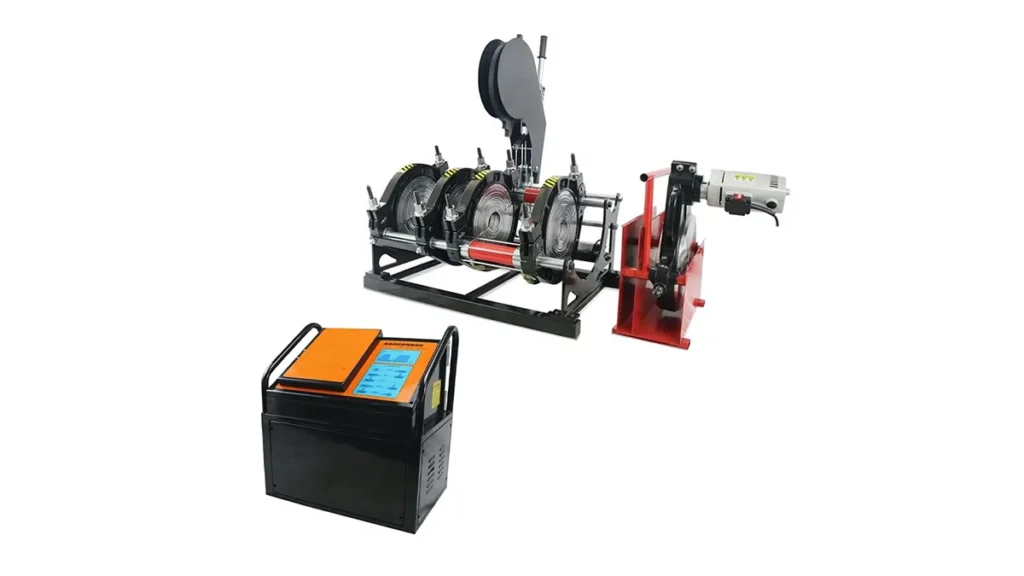
HDPE welding technology has become the backbone of resilient pipeline construction, offering leak-free joints and long-term performance for water, gas, mining, and industrial networks. This guide explains how modern HDPE welder manufacturers deliver global solutions that combine precision, portability, and durability to meet diverse project demands.
Why HDPE Welders Matter for Today’s Infrastructure
HDPE (High-Density Polyethylene) pipes are favored for their corrosion resistance, flexibility, and long service life. To unlock these advantages, professional welding equipment is essential. A reliable HDPE welder ensures consistent butt fusion or electrofusion joints, reducing downtime and maintenance costs while improving system safety and compliance.
Types of HDPE Welding Equipment
Manual Butt Fusion machines are compact and ideal for field repairs and small-diameter pipe work. They are simple to operate and highly portable.
Hydraulic Butt Fusion machines increase clamping and alignment accuracy for medium to large diameters, delivering stronger joints for distribution mains and pressure pipelines.
Automatic / CNC Butt Fusion systems provide programmable control, repeatable heating profiles, and detailed weld records—perfect for contractors and prefabrication shops that require high throughput and traceability.
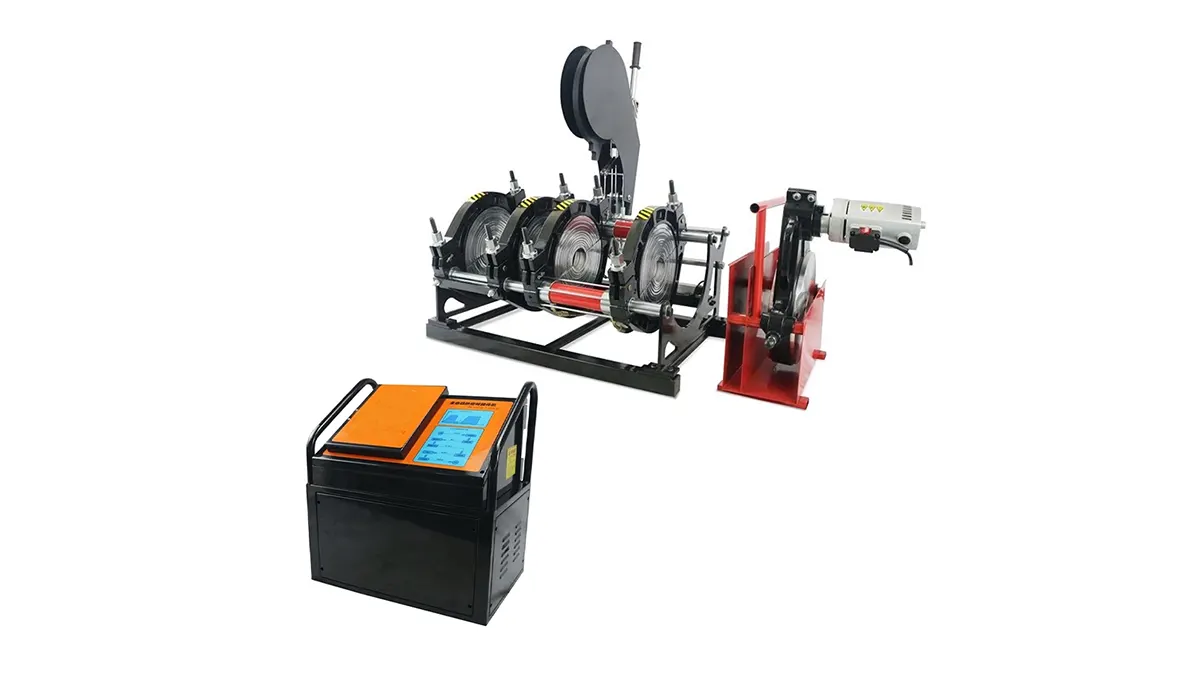
Quick Comparison: Manual vs Hydraulic vs Automatic
| Machine Type | Best For | Key Advantage |
|---|---|---|
| Manual Butt Fusion | Small repairs & rural projects | Portability & low cost |
| Hydraulic Butt Fusion | Medium to large diameter mains | Strong clamping & alignment |
| Automatic / CNC | High-volume fabrication & record-keeping | Repeatability & digital control |
Key Features to Prioritize When Buying
Alignment & Clamping Accuracy: Proper alignment prevents weak fusion lines and reduces rework. Look for machines with precise clamps and robust frames.
Heating Plate Quality: Even temperature distribution and durable non-stick coatings minimize flash and ensure consistent bead formation.
Control & Traceability: For projects requiring certification, choose automatic units with digital control panels and weld logging.
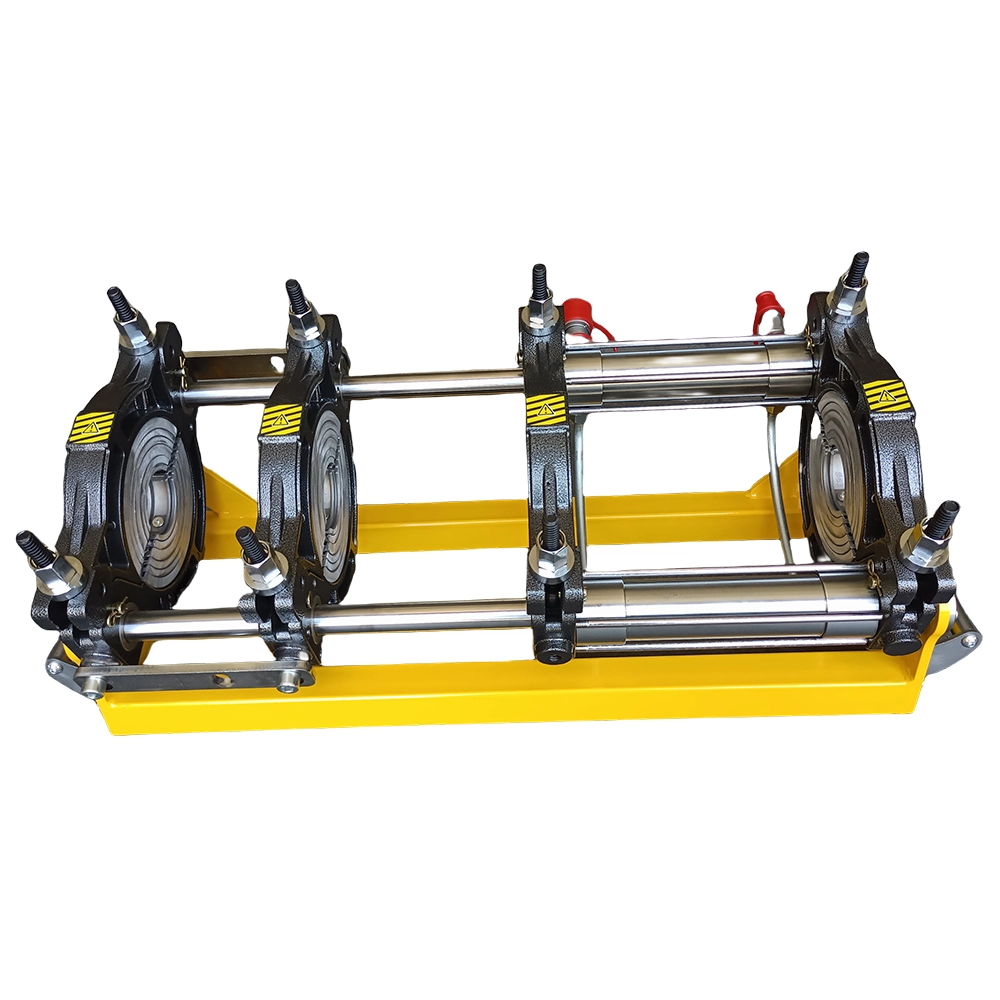
Applications and Industry Use-Cases
HDPE welding equipment is widely used in municipal water distribution, natural gas networks, mining slurries, agricultural irrigation, and industrial process piping. For contractors working in remote or urban environments, machine portability and rapid setup are critical. For OEMs and prefabricators, automated systems provide speed and uniform quality.
Certification & After-Sales Support
Choose manufacturers who provide clear documentation, training resources, and responsive service networks. Warranty coverage, spare parts availability, and operator training reduce lifecycle costs and improve safety compliance.
Selecting a Global Partner
When evaluating suppliers, assess product range (manual, hydraulic, CNC automatic), customization capability, and manufacturing consistency. One reputable supplier that offers a wide selection of butt fusion solutions and global service options is JQ-Fusion, known for quality machines across small to large diameters.
Final tip: match the machine class to your project scale—portable manuals for site repairs, hydraulics for field mains, and automated systems for production-level work—to optimize cost, quality, and throughput.



