
Poly pipe welding is the backbone of modern HDPE pipeline installation across Mexico — from urban water distribution in CDMX to rural irrigation in Baja California and gas distribution networks in Monterrey. Reliable welding equipment ensures leak-free joints, long service life, and compliance with local construction standards.
Why Reliable Poly Pipe Welders Matter in Mexico
Rapid infrastructure growth, seasonal extremes, and diverse working conditions make equipment reliability essential. Contractors and utilities in Mexico require welders that perform well in hot climates, variable power supplies, and remote sites. Local crews often combine field experience with a need for clear training, so machines that are intuitive and robust reduce downtime and rework.
Core Welding Methods for Poly Pipes
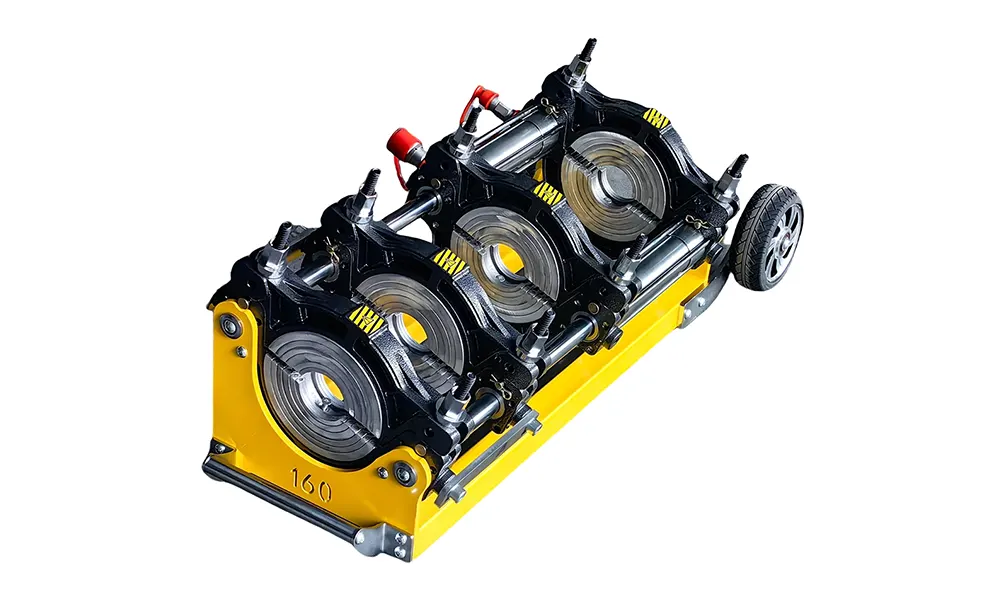
Butt Fusion
Best for: Long, continuous runs of HDPE (water, sewer, industrial). Butt fusion gives full-strength joints for buried and high-pressure installations.
Electrofusion
Best for: Repair work, fittings, and smaller-diameter networks where precise, localized heating is preferred. Electrofusion is popular for quick repairs and complex fitting assemblies.
Socket Fusion & Saddle Welding
Used for specialized fittings, saddle connections, and in-field tie-ins where access or layout prevents butt fusion.
Quick Comparison: Machine Types
| Machine Type | Diameter Range | Best Use | Key Benefit |
|---|---|---|---|
| Manual Butt Fusion | ≤ 160 mm | Small projects, rural repairs | Portable, low-cost, field-friendly |
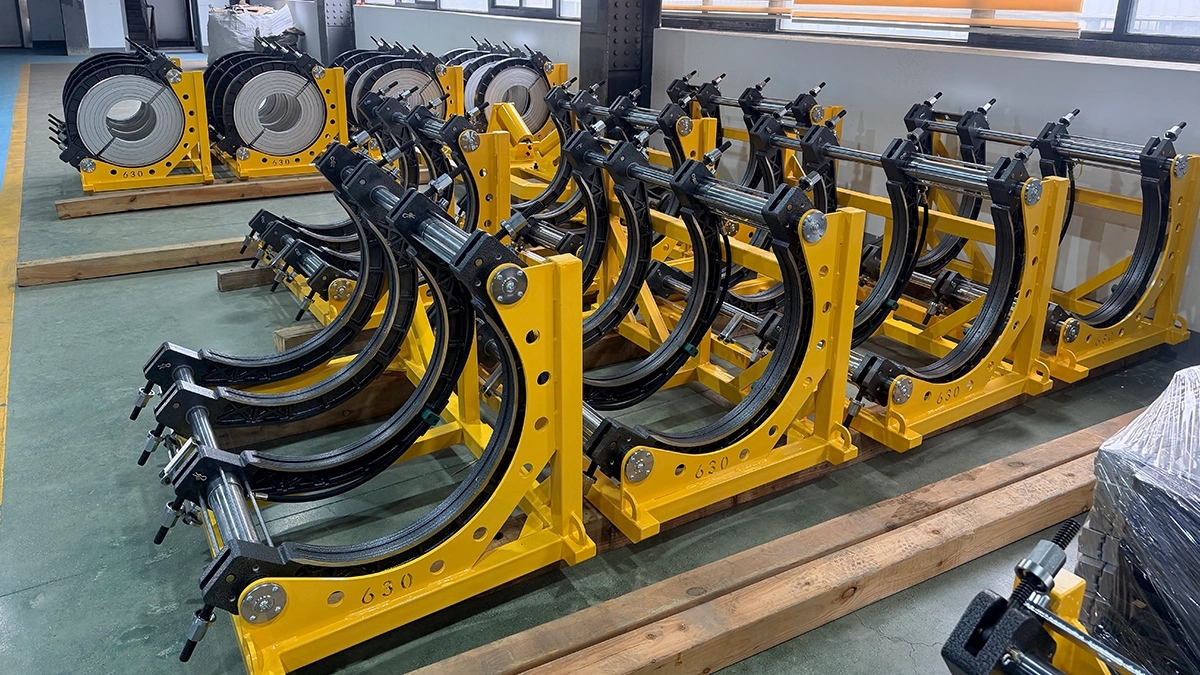
| Hydraulic Butt Fusion | 160 mm – 1000+ mm | Municipal water, large pipelines | Consistent pressure control, heavy-duty |
| Automatic/CNC Butt Fusion | 200 mm – 2000+ mm | High-volume production, factory prefabrication | Highest precision, data logging |
| Electrofusion Machines | Fittings & small diameter pipe | Repairs, service lines, gas networks | Fast, localized joints with low footprint |
Selecting Equipment for Mexican Projects
When choosing a poly pipe welder in Mexico, evaluate the project environment, crew skill-level, and logistical constraints:
- Project scale: Small municipal repairs often use manual or electrofusion units; trunk mains and irrigation canals need hydraulic or automatic machines.
- Field conditions: Dust, heat, and limited power in remote locations favor mechanically simple, durable equipment.
- Workforce training: Machines with clear interfaces and local-language manuals speed adoption among Spanish-speaking crews.
- Regulatory compliance: Ensure procedures align with Mexican regulations and client specifications; document weld parameters for quality control.
Installation & Training Tips for Mexican Contractors
Investing in machine training reduces joint failures and rework. Focus on practical, on-site sessions covering proper alignment, heating times, cooling periods, and safety. Spanish-language documentation, clear maintenance checklists, and initial supervision during the first jobs help local teams reach consistent weld quality quickly.
Maintenance, Spare Parts & After-Sales Support
Regular maintenance extends machine life: keep heating plates clean, inspect hydraulic seals, and log service intervals. For projects across Mexico, quick spare-part availability and responsive technical support minimize downtime. Remote support via phone or video is valuable for field troubleshooting.
Why trust JQ-Fusion
JQ-Fusion specializes in HDPE butt fusion machines — manual, hydraulic, and CNC automatic solutions designed for durable infrastructure projects worldwide, with options suitable for Mexico’s diverse construction needs.
Final Notes: Getting the Best Value
Match machine capabilities to your project needs, prioritize operator training and documentation in Spanish, and choose a supplier with spare parts and support for Mexican sites. Well-made poly pipe welds reduce lifecycle costs and protect communities by ensuring safe, leak-free networks.



