
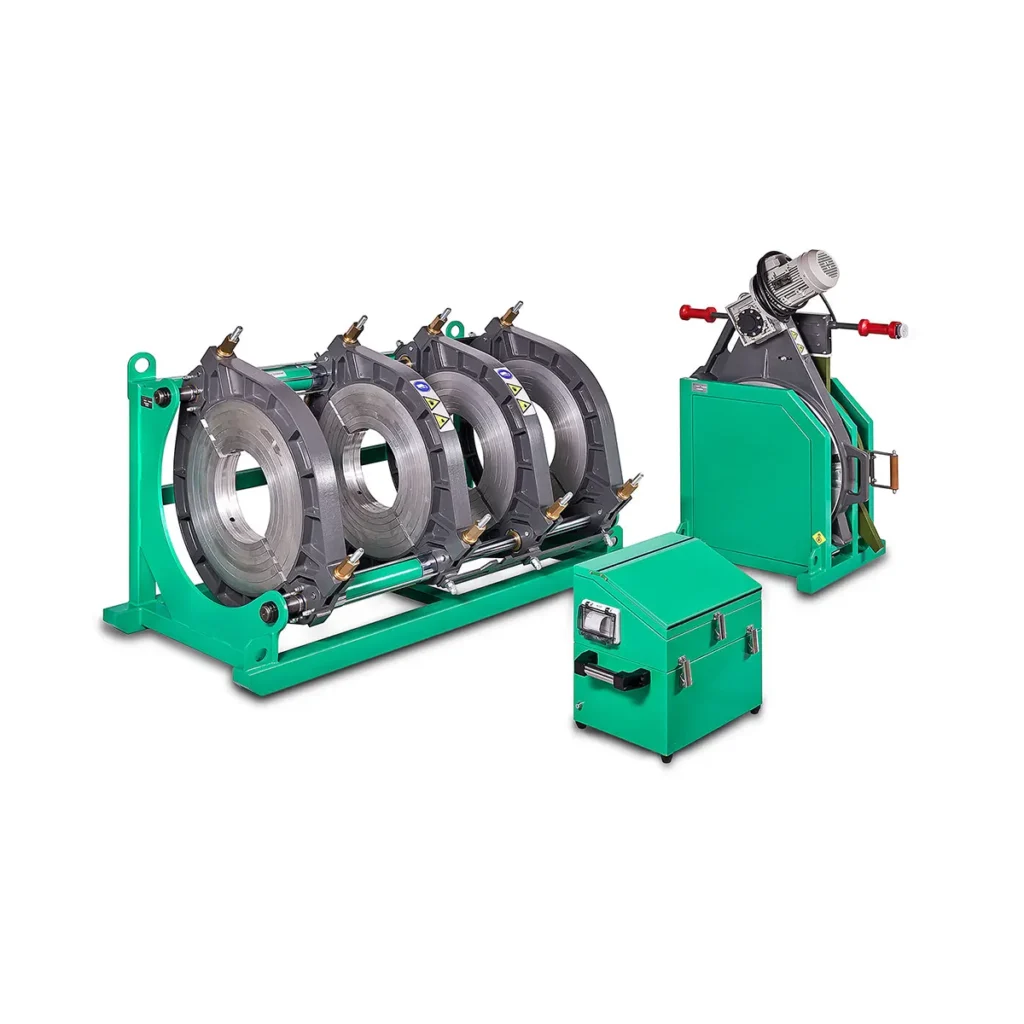
As Côte d’Ivoire expands its infrastructure—driven by urban growth in Abidjan, agricultural irrigation projects in the Savanes and Sassandra regions, and mining operations in the interior—demand for reliable HDPE butt fusion solutions is rising. Local contractors and engineers choose robust fusion techniques to ensure leak-free pipelines that resist tropical humidity, seasonal rains, and long-term soil movement.
Why HDPE Butt Fusion Is Ideal for Côte d’Ivoire’s Pipelines
HDPE (High-Density Polyethylene) pipe fusion offers corrosion resistance, flexibility, and long service life—critical in coastal and inland Ivorian environments where salt, variable temperatures, and shifting soils can undermine metal or concrete systems. Butt fusion welding creates homogeneous joints with mechanical strength equal to or greater than the pipe body, making it perfect for potable water, irrigation, gas distribution, and industrial pipelines.
Key Benefits for Ivorian Project Owners
- Durability: Resistant to soil chemicals and long-term UV if protected.
- Cost-efficiency: Lower lifecycle costs versus metallic systems due to minimal corrosion maintenance.
- Leak-free connections: Essential for safe potable water and gas networks.
- Fast deployment: On-site butt fusion speeds up installation in remote or seasonal worksites.
Types of Fusion Machines Suited to Local Needs
Choose based on pipe diameter, project scale, and crew experience. Options include:
Manual & Portable Units
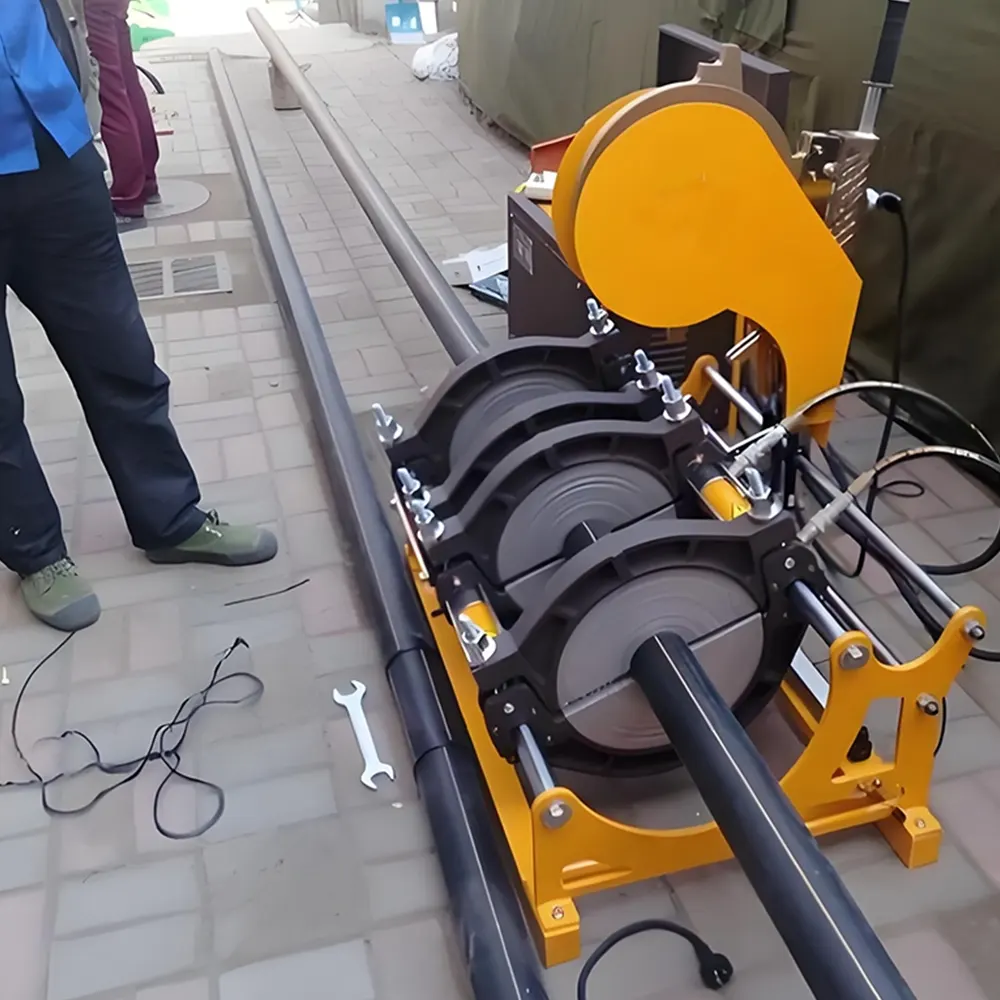
Best for small-diameter irrigation lines and rural installations—lightweight, easy to transport across uneven terrain.
Hydraulic & Semi-Automatic Machines
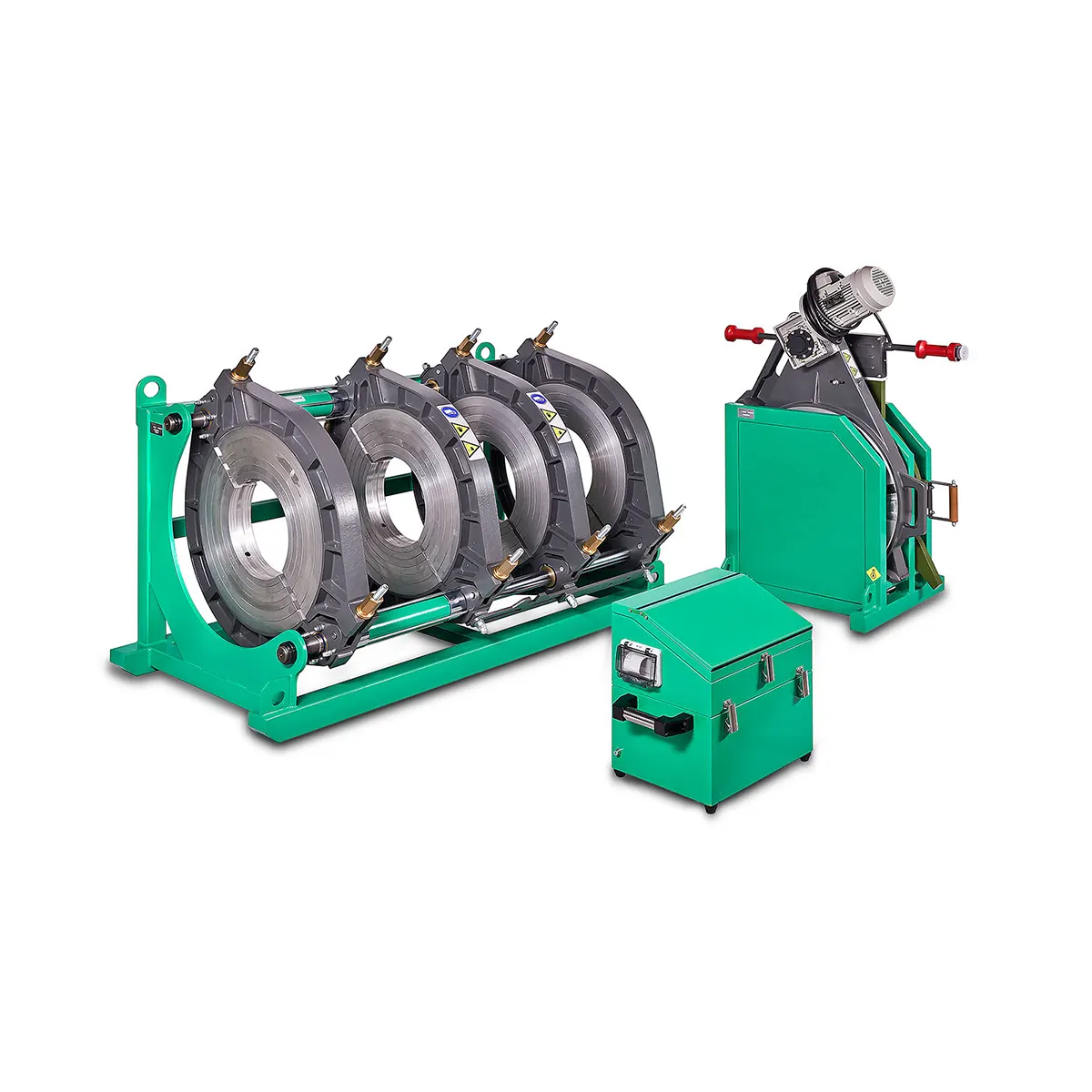
Well-suited for medium to large municipal water and gas pipelines. Provide consistent pressure control and faster cycle times for production-level welding.
CNC Automatic Fusion Machines
Recommended for large-diameter trunk mains and industrial projects where precision, repeatability, and data logging are required for QA/QC documentation.
Quick Comparison: Representative Models & Specs
| Model Type | Pipe Range (mm) | Best For |
|---|---|---|
| Manual Portable Unit | 20–160 | Small rural irrigation & repairs |
| Hydraulic Butt Fusion | 160–1250 | Municipal water mains & gas lines |
| CNC Automatic Machine | 200–2500+ | Large-diameter trunk mains, industrial projects |
Local Considerations: Weather, Workforce & Logistics
The tropical climate and heavy rainy seasons mean machines must be robust, corrosion-resistant, and serviceable in field conditions. French-speaking operators in Côte d’Ivoire benefit from training and operation manuals in French and hands-on instruction to ensure safe, standardized welding procedures. For international suppliers, reliable shipping to Abidjan port, customs clearance, and local spare-part support drastically reduce downtime for contractors.
Maintenance & After-Sales Tips for Ivorian Operators
Regular calibration of heating plates, hydraulic checks, and protective storage during the rainy season will extend machine life. Keep a minimal spare parts kit—heating elements, PTFE covers, hydraulic seals—and arrange preventive service visits aligned with major dry-season mobilizations.
Project Use Cases Across Côte d’Ivoire
Urban water networks: Leak-free, long-lasting mains to support Abidjan and other developing cities.
Agricultural irrigation: Portable fusion units for seasonal canals and distribution lines in the north.
Mining & industry: Large-diameter hydraulic or CNC units to connect processing plants and slurry lines.
Choosing a Supplier
When evaluating vendors, prioritize proven machine reliability, clear technical documentation, local-language training options, and a logistic plan for spare parts to Abidjan. For manufacturers with comprehensive HDPE fusion portfolios and global project experience, review product lines and support policies carefully before procurement.
Find detailed product information and contact options at JQ-Fusion.



