
Plastic pipe welders are central to building resilient water, gas, and irrigation systems across Uganda. From Kampala’s expanding municipal networks to remote agricultural projects in the West Nile and the oilfield developments near Lake Albert, reliable HDPE welding equipment ensures leak-free joints and long-term pipeline performance.
Understanding HDPE Butt Fusion and Electrofusion
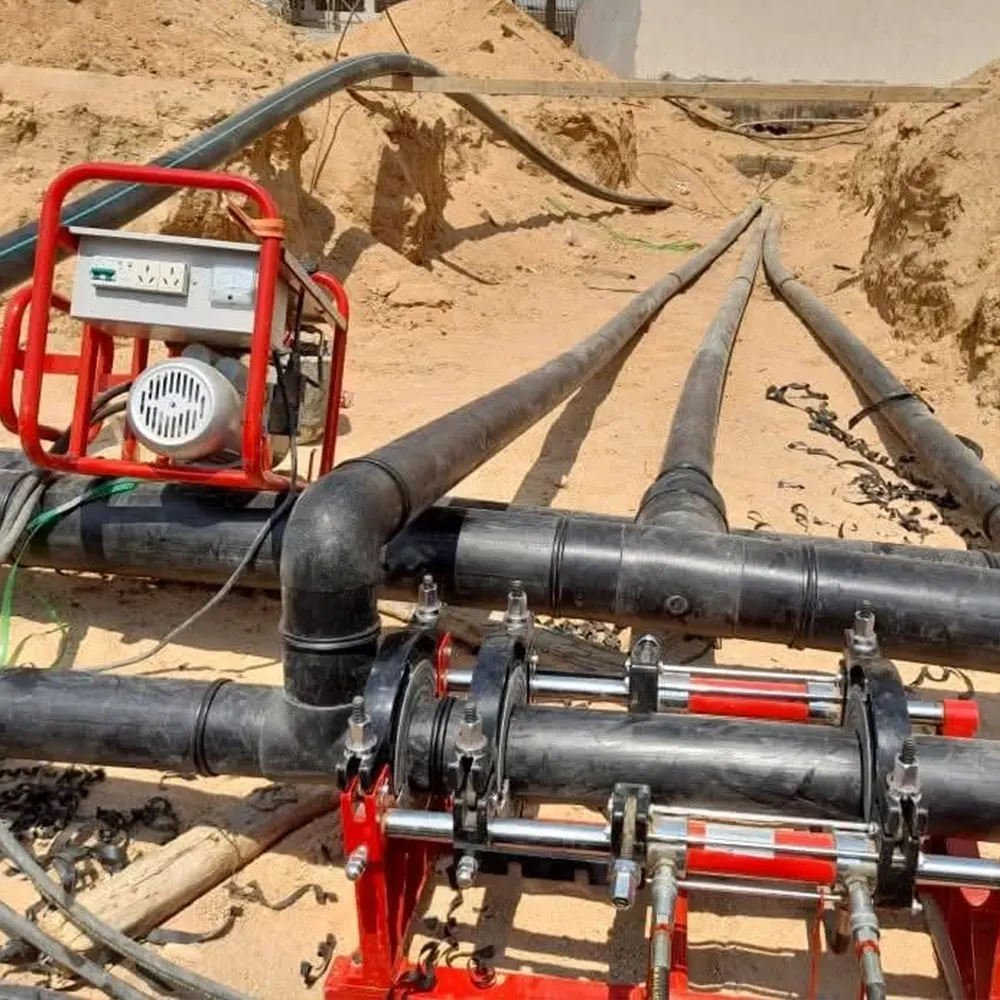
Butt fusion and electrofusion are the two primary methods for joining polyethylene pipes used in Uganda’s infrastructure projects. Butt fusion creates strong, homogenous joints suited for large-diameter water mains and gas lines, while electrofusion is ideal for fittings, repairs, and confined spaces.
Types of Plastic Pipe Welders for Ugandan Needs
Manual Pipe Welders – Portable and cost-effective for small-scale plumbing, village water schemes, and on-site repairs.
Hydraulic Butt Fusion Machines – Reliable for medium and large diameter pipelines used in municipal supply and industrial projects.
Automatic/CNC Butt Fusion Machines – Best for contractors who need repeatable, high-precision welds on long pipeline runs.
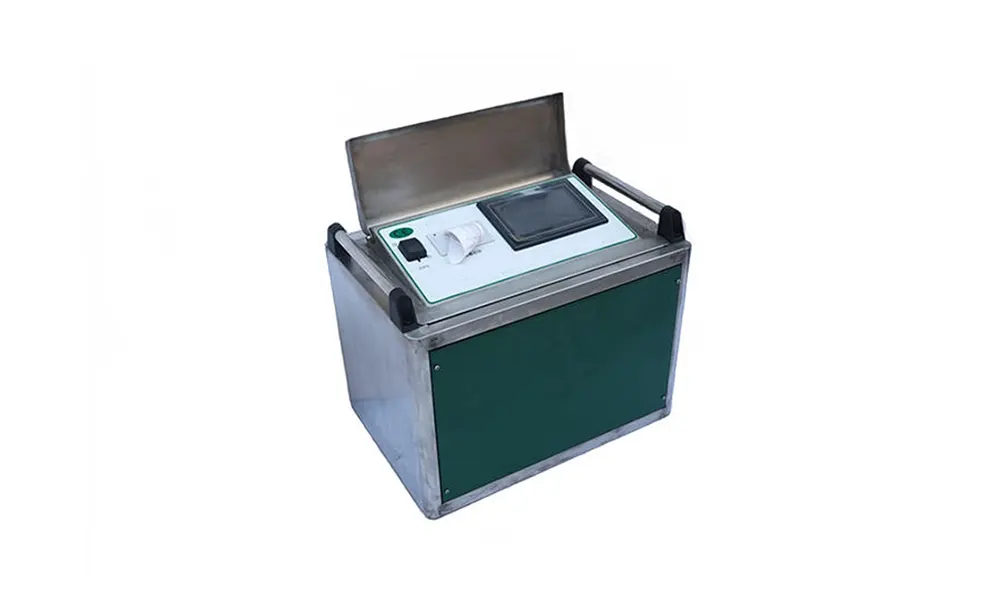
Electrofusion Units – Compact systems for fittings, branch connections, and emergency repairs often used by field technicians and utility crews.
Choosing the Right Welder for Local Conditions
When selecting a welding machine in Uganda, consider site access, power availability, pipe diameter, and the typical temperature range. Rural projects may favor portable manual welders and battery-powered electrofusion units, while urban contractors often invest in hydraulic or automatic systems for productivity.
| Welder Type | Typical Pipe Range | Common Uses in Uganda | Key Benefit |
|---|---|---|---|
| Manual Butt Fusion | 20–315 mm | Village water lines, repairs | Low cost, portable |
| Hydraulic Butt Fusion | 160–2000+ mm | Municipal mains, industrial | High stability, heavy-duty |
| Automatic/CNC Machines | 63–1250 mm | Large projects, pipelines | Precision, repeatability |
| Electrofusion Units | 20–630 mm (fittings) | Repairs, fittings, tight sites | Fast, ideal for complex junctions |
Installation, Training and Safety
Proper training is essential. For Ugandan technicians and contractors, accredited training on fusion parameters, surface preparation, and joint inspection reduces rework and guarantees long-lasting pipelines. Ensure operators understand heating plate care, alignment checks, and safe hydraulic handling.
Maintenance, Spares and Local Support
Choose equipment with accessible spare parts and straightforward maintenance procedures. In Uganda, predictable service intervals and locally stocked consumables (heating plates, clamps, electrofusion fittings) significantly reduce downtime for utilities and contractors operating across varied terrain.
Procurement Tips for Ugandan Buyers
When procuring, verify machine capacity against your largest pipe diameter, ask for welding certificates, and confirm warranty terms. For NGOs and municipal buyers, consider total lifecycle cost—training, spare parts, and service network matter as much as the initial price.
About the Manufacturer
JQ-Fusion is a professional manufacturer of HDPE pipe welding machines offering manual, hydraulic, and CNC automatic butt fusion equipment for global infrastructure projects.
Delivering the right plastic pipe welder for Uganda means matching technology to local needs—portability for rural repairs, robustness for large municipal works, and reliable after-sales support to keep water, gas, and irrigation systems working for years.



