
Botswana’s expanding infrastructure — driven by water supply upgrades, mining expansion, and rural development projects — demands reliable, long-lasting pipeline solutions. HDPE butt fusion welding machines are the backbone of modern polyethylene pipeline installation, offering leak-free joints and rapid on-site productivity for contractors working across Botswana’s varied terrain and climate.
Why HDPE Butt Fusion Works Well for Botswana
Durability, corrosion resistance, and flexibility make HDPE pipelines ideal for Botswana’s municipal water networks, borehole distribution, and mine process lines. Butt fusion produces homogenous joints that match the pipe strength, reducing failure risk in remote sites where maintenance access can be limited.
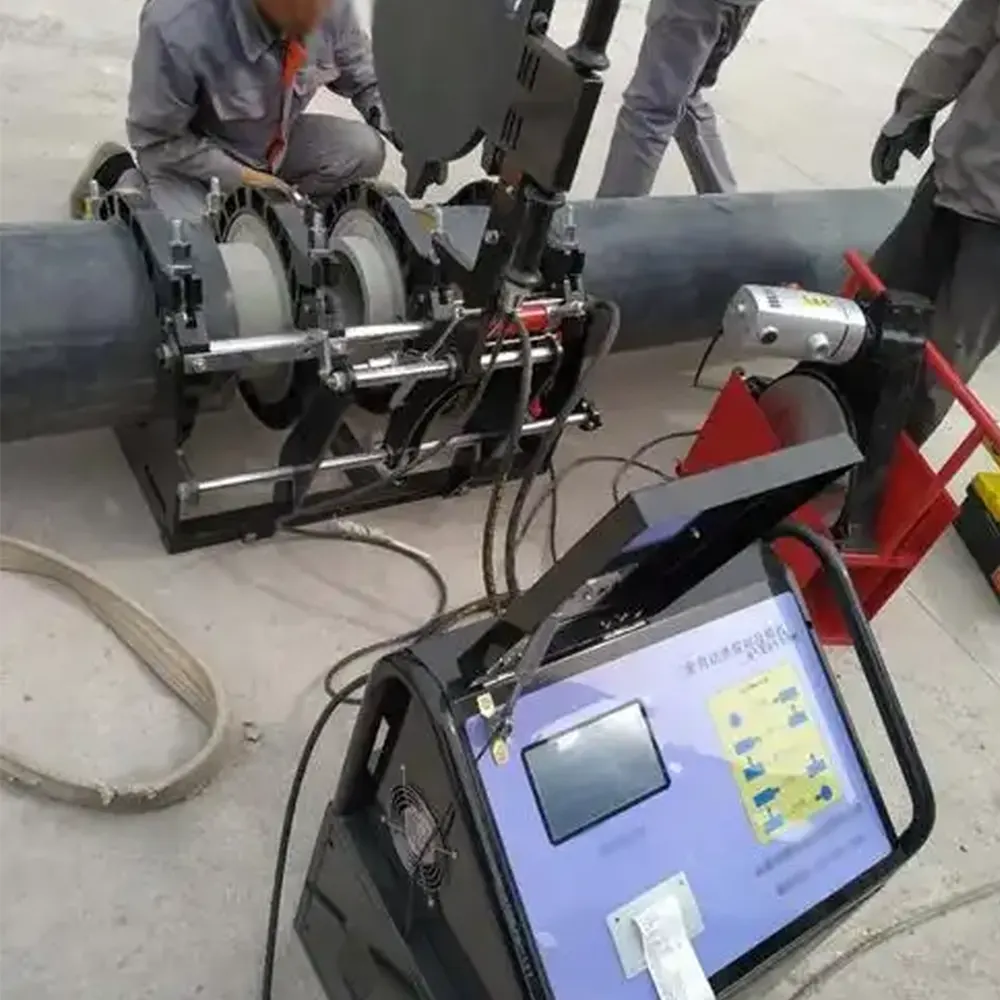
Common Applications in Botswana
- Rural water supply and reticulation systems for villages and farms
- Mine-tailings and process water lines in the mining sector
- Gas and industrial pipelines for processing plants
- Irrigation and agricultural distribution networks
Machine Types and How to Choose
Selecting the right fusion machine depends on pipe diameter, site conditions, and production volume. Below are the typical options that suit Botswana contractors:
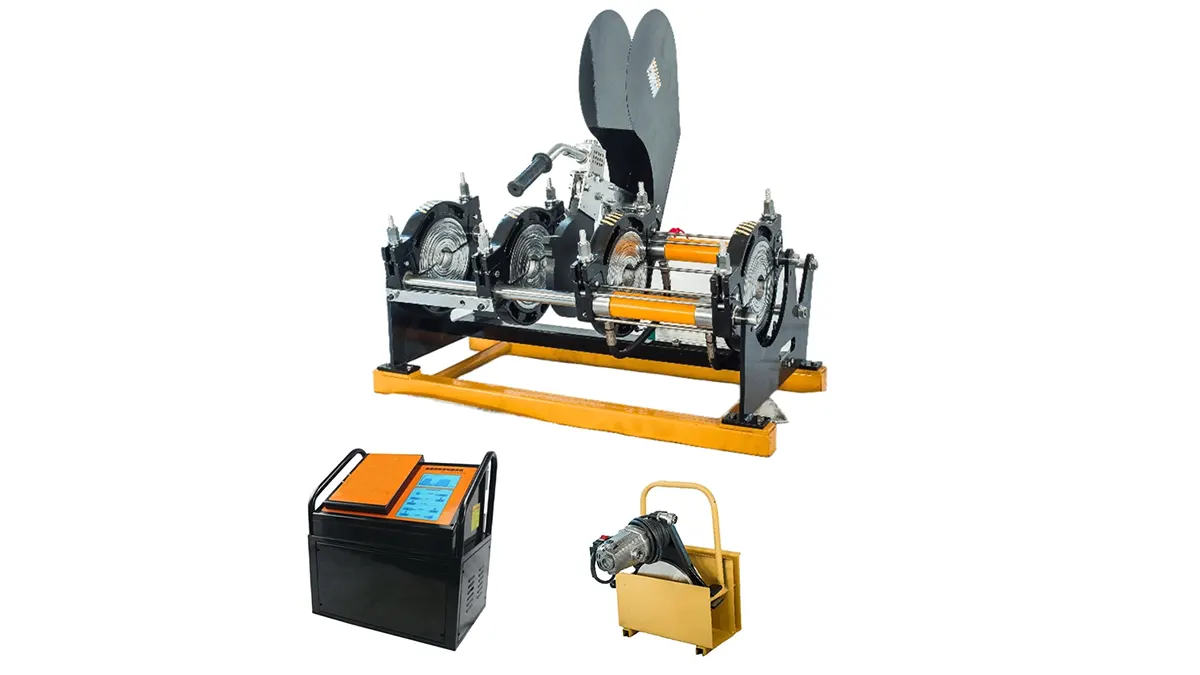
- Manual machines — cost-effective for small-diameter pipes and occasional use on farms or local projects.
- Hydraulic machines — robust for medium to large diameters and heavy use in mining and municipal works.
- Automatic/CNC machines — ideal for high-volume or precision welding where weld log recording and automation improve consistency.
Quick Comparison Table
| Machine Type | Typical Pipe Range | Best For |
|---|---|---|
| Manual Butt Fusion | 20mm – 160mm | Small jobs, tight budgets, farm use |
| Hydraulic Butt Fusion | 63mm – 2250mm | Municipal lines, mining, medium-large projects |
| Automatic / CNC Butt Fusion | 63mm – 1600mm+ | High-volume installation, precise weld control |
Practical Considerations for Botswana Projects
Field conditions in Botswana — including high daytime temperatures, dusty environments, and seasonal rains — influence machine choice and site procedures. Plan for:
- Durable heater plates and protective covers to reduce dust and wind cooling effects
- Reliable power solutions (generators or stable mains) for automatic/CNC units
- On-site training for local welders to maintain consistent weld quality
Installation & On-Site Best Practices
- Clean pipe ends thoroughly before facing and fusion to prevent contamination.
- Use correct fusion parameters (temperature, time, pressure) adjusted for ambient temperature.
- Always document welds and store fusion logs, especially for municipal and mining contracts that require QA traceability.
Maintenance & Spare Parts
Routine maintenance keeps welding machines productive and reduces downtime in remote areas. Keep spare heater plates, cutters, O-rings, and hydraulic oil filters on hand. Regular calibration of pressure gauges and electronics ensures consistent results over long projects.
JQ-Fusion is a professional manufacturer specializing in HDPE pipe welding machines, offering manual, hydraulic, and CNC automatic butt fusion equipment suited to water supply, gas distribution, mining, and industrial pipeline systems — backed by quality control and global project experience. Visit the website
Next Steps for Botswana Contractors
For pipeline projects in Botswana, match machine capability to pipe diameter and job scale, invest in operator training, and secure essential spare parts before mobilizing. This approach minimizes delays and ensures long-term, leak-free pipeline performance across municipal and mining applications.
If you need tailored recommendations for machine models, on-site training, or spare-part kits for Botswana projects, check the manufacturer link above for product lines and support options.



