
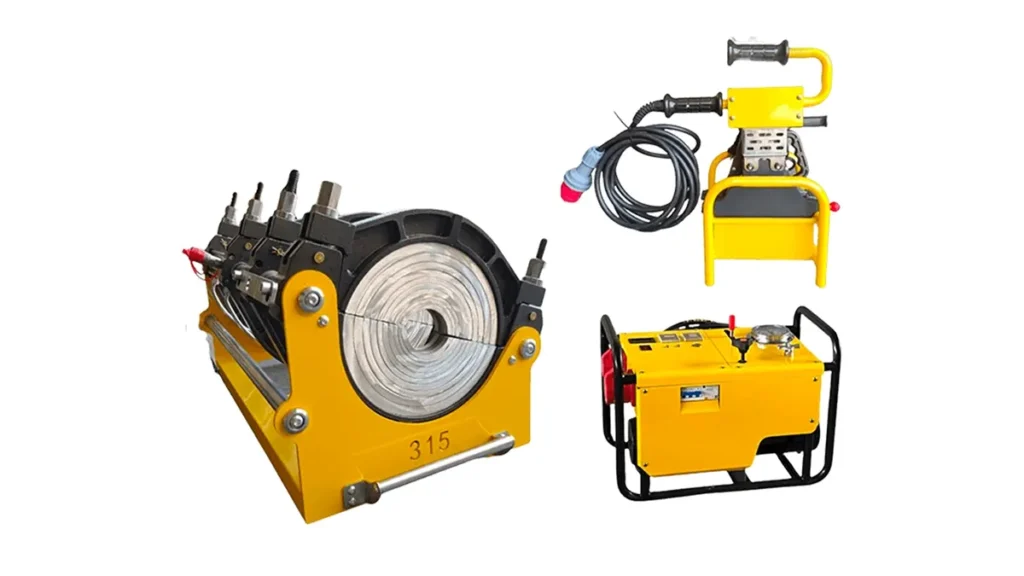
Bangladesh’s expanding infrastructure projects — from municipal water networks in Dhaka to irrigation and rural pipeline systems across the delta region — are driving demand for reliable HDPE butt fusion welding machines. Contractors, utility engineers, and government procurement teams need equipment that performs in humid, monsoon-prone conditions and supports fast, leak-free connections for piping systems used in water supply, drainage, gas distribution, and agriculture.
Why Butt Fusion Welding Machines Matter in Bangladesh
Butt fusion welding creates homogeneous, long-lasting joints that resist corrosion and leakage — critical advantages in Bangladesh where ground movement, seasonal flooding, and saline soil can challenge conventional fittings. A high-quality welding machine reduces rework, minimizes downtime, and improves the lifespan of HDPE pipelines in both urban and rural installations.
Key Machine Types and Typical Uses
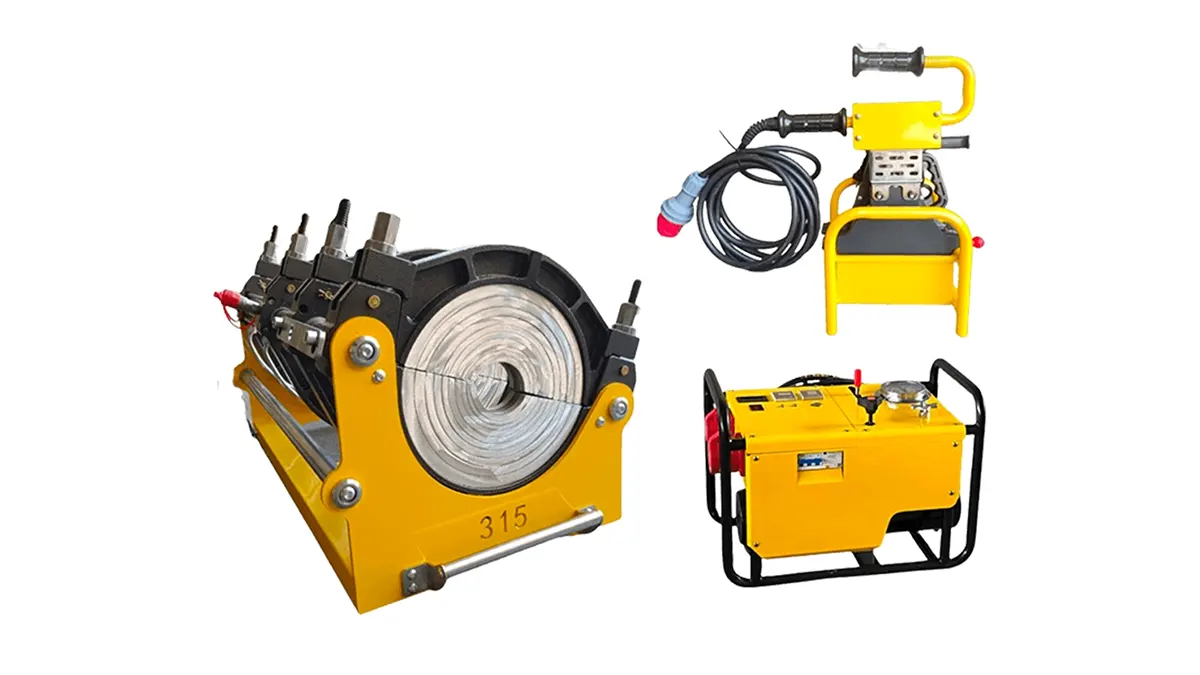
Manual butt fusion machines are ideal for small-diameter pipes and sites with limited power access. Hydraulic models provide higher clamping force and are suited for medium to large pipes used in municipal and industrial projects. Automatic and CNC machines offer precise control and data logging for high-volume pipeline contractors and utility standards compliance.
Quick Comparison Table
| Machine Type | Pipe Range | Best For |
|---|---|---|
| Manual Butt Fusion | 20–315 mm | Rural repairs, small contractors |
| Hydraulic Butt Fusion | 63–2000 mm | Municipal pipelines, large projects |
| Automatic / CNC | 63–2250+ mm | High-volume contractors, QA/QC-driven jobs |
Selecting a Reliable Manufacturer and Supplier
When sourcing machines for Bangladesh projects, consider supplier strengths: availability of spare parts, on-site training, clear operation manuals, and experience with local standards. Look for manufacturers who can recommend machine sizes based on project pipe diameters and pressure ratings, and who provide timely after-sales support for rapid repair during monsoon season.
JQ-Fusion is a professional manufacturer specializing in HDPE pipe welding machines, providing a range of manual, hydraulic, and automatic butt fusion solutions suitable for water supply, gas distribution, mining, and industrial pipelines.
Practical Tips for Bangladesh Contractors
1. Choose the right capacity: Match machine clamp range to the most common pipe diameters on your projects to avoid frequent equipment swaps. 2. Prioritize portability: For rural worksites with poor access, lightweight manual or modular hydraulic units simplify transport. 3. Protect electronics: Use covers and water-resistant storage for control panels during the monsoon season. 4. Training and certification: Insist on supplier-led operator training and documented welding procedures to meet procurement conditions.
Certification, Warranty, and After-Sales
Verify ISO or CE certifications, warranty terms, and spare-part lead times. A trusted supplier should offer troubleshooting guides, remote technical support, and options for on-site maintenance contracts — all vital where project schedules are tight and weather can disrupt access.
Making the Purchase — Checklist
– Confirm pipe size coverage and maximum pressure ratings.
– Ask about local distributor presence or authorized service centers in Bangladesh.
– Request weld procedure specifications and sample test records.
– Check packaging and shipping options for safe, customs-friendly delivery.
– Ensure training sessions and operation manuals are included.
Final Considerations for Bangladesh Projects
Reliable butt fusion equipment improves the resilience of Bangladesh’s pipeline networks against climatic and environmental stresses. By choosing the right machine type, ensuring local support, and following standardized welding procedures, contractors and utility teams can achieve safer, longer-lasting installations across both urban and rural settings.



