
Finding a dependable butt fusion welder supplier in Italy means choosing equipment that performs reliably across urban repair sites, mountainous pipeline runs, and agricultural irrigation networks. Italian contractors and utility managers need machines that meet EU safety standards, handle diverse HDPE pipe diameters, and deliver consistent joints under varied site conditions. This guide highlights practical solutions, machine types, and buying considerations tailored to Italy’s infrastructure and workforce.
Why Italy’s Industry Needs Reliable Butt Fusion Solutions
Italy’s mix of historical city centers, coastal ports, and mountainous terrain creates unique challenges for pipeline installation and maintenance. Municipal water utilities, gas distributors, and irrigation contractors prioritize equipment that minimizes downtime and produces long-lasting, leak-free joints. Seismic zones and strict local regulations make correct fusion technique and traceable weld records essential for compliance and public safety.
Who benefits most in Italy?
Municipal utilities upgrading aging networks, contractors working on gas distribution, and agricultural businesses installing irrigation mains all gain from reliable butt fusion equipment. Small local crews appreciate portable manual units, while large infrastructure projects require hydraulic or CNC automatic systems for speed and repeatability.
Types of Butt Fusion Machines for Italian Projects
Manual Butt Fusion Machines
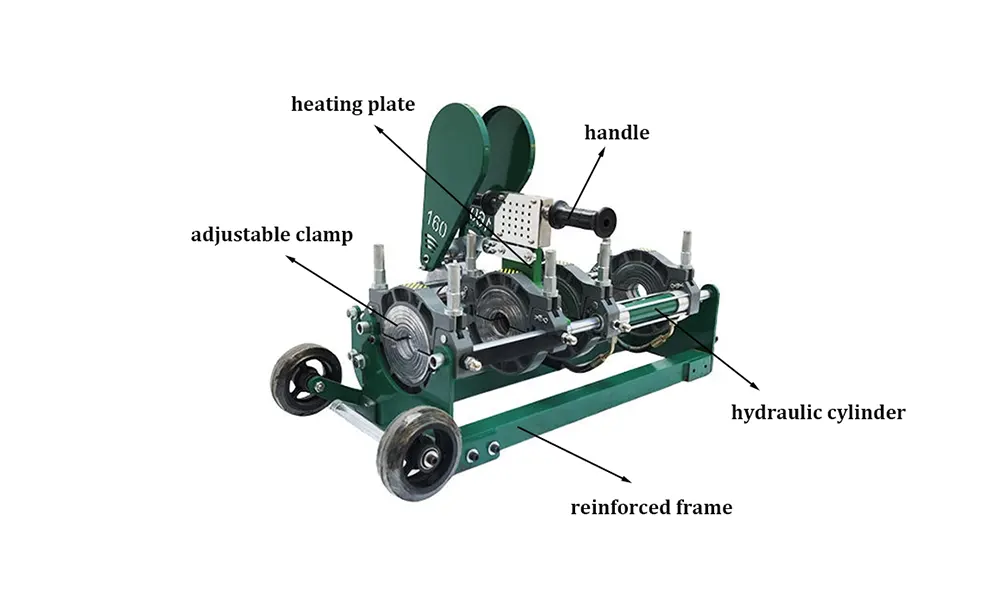
Compact, easy to transport, and ideal for on-site repairs in narrow city streets or rural access roads. Manual machines are cost-effective for smaller-diameter pipes and teams that need mobility.
Hydraulic Butt Fusion Machines
Offer higher clamping force and smoother alignment for medium to large diameters. They work well on construction sites with heavier pipe sizes, typical in municipal and gas network upgrades across Italy.
Automatic / CNC Butt Fusion Machines
CNC-controlled units deliver precise heating, controlled joining pressure, and automatic weld logging for traceability. These are preferred for large-volume pipeline installations, industrial sites, and projects requiring strict QA documentation.
Compare Popular Models (Quick Reference)
| Model | Type | Pipe Range | Ideal For |
|---|---|---|---|
| JQA160 | Automatic | 160–315 mm | Utility mains, medium pipelines |
| JQH355 | Hydraulic | 125–355 mm | Contractors, gas network works |
| JQSY-2M | Manual | 20–160 mm | Small repair crews, irrigation |
| Large Diameter Series | Hydraulic / CNC | ≥400 mm | Major infrastructure projects |
Key Features Italian Buyers Should Prioritize
CE compliance and documentation: Ensure weld records and calibration certificates align with EU and national standards (UNI, EN). Proper documentation simplifies municipal approvals and handovers.
Portability vs. automation: Choose manual machines for frequent remote repairs and automatic/CNC models for high-throughput, traceable welding on large projects.
Serviceability and spare parts: Fast access to consumables (heating plates, scraping blades) and replacement parts keeps projects on schedule—especially important when working across Italy’s varied regions.
Buying & After-Sales Tips for Customers in Italy
Italian buyers should confirm lead times for delivery to regional ports, discuss customs and VAT handling, and request on-site training or Italian-language manuals when possible. For municipal tenders, check that the supplier can provide traceable weld reports and calibration certificates.
For complex installations, plan for scheduled maintenance and on-call technical support. Local partners or authorized service centers shorten response times and reduce downtime.
Choosing a Manufacturer
One experienced manufacturer offering a wide range of HDPE pipe welding machines—manual, hydraulic, and CNC automatic units—can simplify procurement and ensure compatibility across projects. For buyers seeking robust, customizable welding solutions and global support, consider suppliers that demonstrate proven quality control and clear after-sales policies.
Final considerations
Match machine selection to pipe diameter, project scale, and regulatory needs. Prioritize traceable welding processes and reliable after-sales support to meet Italy’s demanding infrastructure standards and varied site conditions. Investing in the right butt fusion equipment reduces rework, improves safety, and secures long-term system integrity.



