
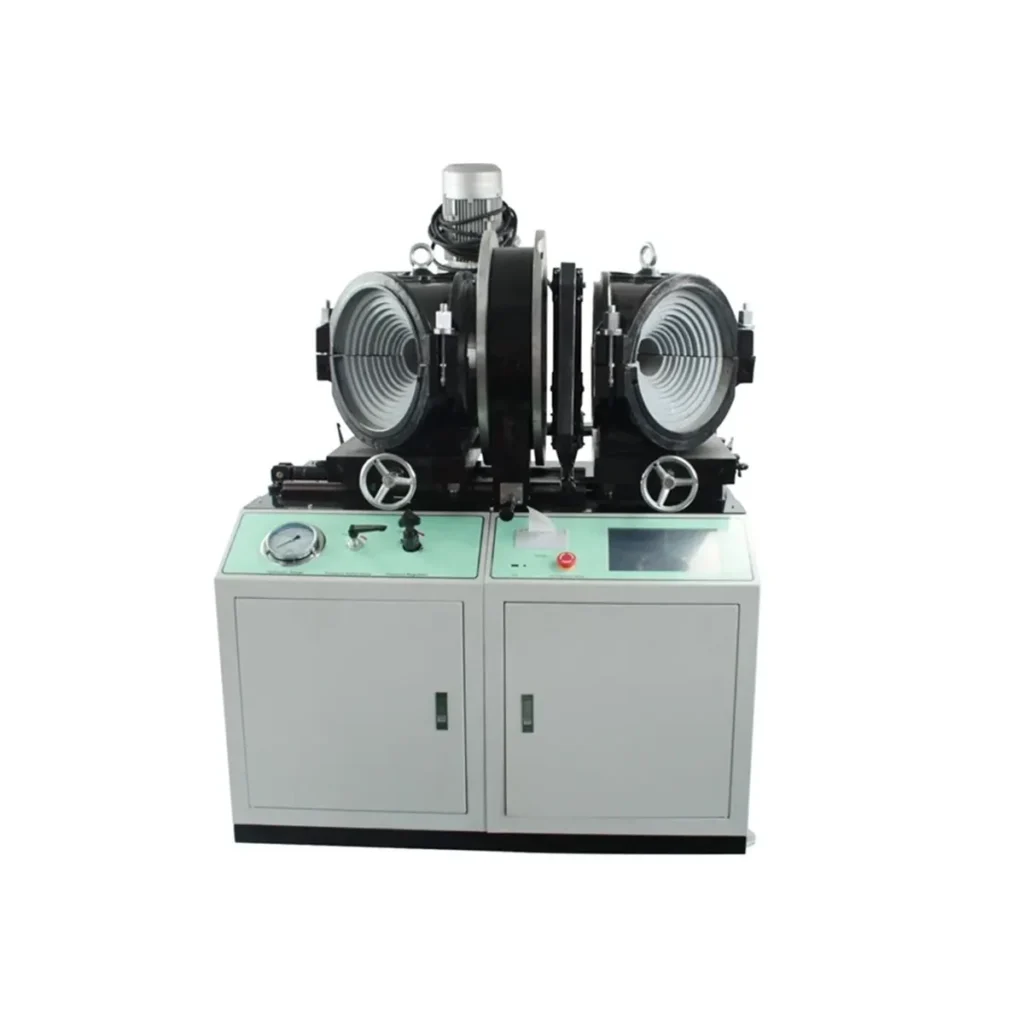
Denmark’s busy infrastructure and renewable-energy sectors demand reliable pipe-joining technology. For contractors, utility teams and offshore installers working with HDPE pipelines, choosing the right butt fusion welder maker is critical to ensure leak-free, long-lasting connections across water, district heating, and coastal projects.
Why Butt Fusion Welding Matters for Danish Projects
Butt fusion welding creates molecularly homogenous joints ideal for HDPE pipes used in municipal water networks, district heating, and offshore cable ducts. In Denmark — where coastal exposure, strict technical standards and a focus on sustainability shape project specs — robust butt-fusion equipment reduces rework and lifecycle risk.
Key benefits for local contractors
Consistent quality across field joints, faster installation on long trench runs, and compatibility with a wide range of pipe diameters. This is particularly valuable for Danish municipal works, wind farm cable ducts and industrial process lines.
Selecting the Right Machine Type
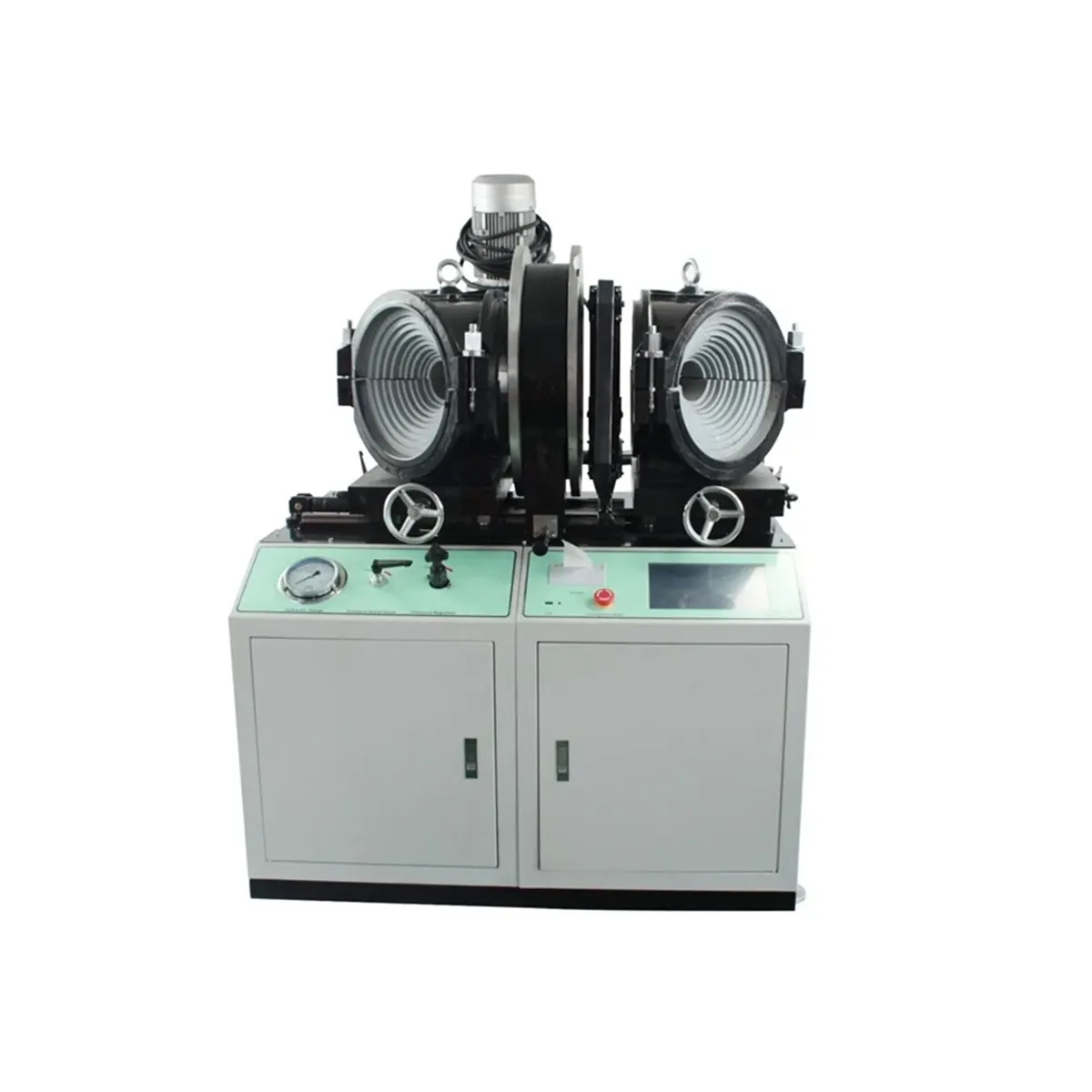
Machine choice depends on pipe diameter, site conditions and automation needs. Whether working in compact urban streets, offshore service vessels, or remote utility routes, pick a solution that balances portability and precision.
Typical machine classes
Manual units for small-diameter repairs, hydraulic frames for medium to large diameter mains, and CNC automatic systems for high-volume or critical industrial pipelines.
| Machine Type | Best For | Advantages |
|---|---|---|
| Manual Butt Fusion | Repairs, small pipe diameters | Lightweight, portable, cost-effective |
| Hydraulic Frames | Medium & large mains | High clamping force, stable alignment |
| Automatic / CNC | High-volume & precision projects | Repeatable weld profiles, digital control |
Performance Factors to Evaluate
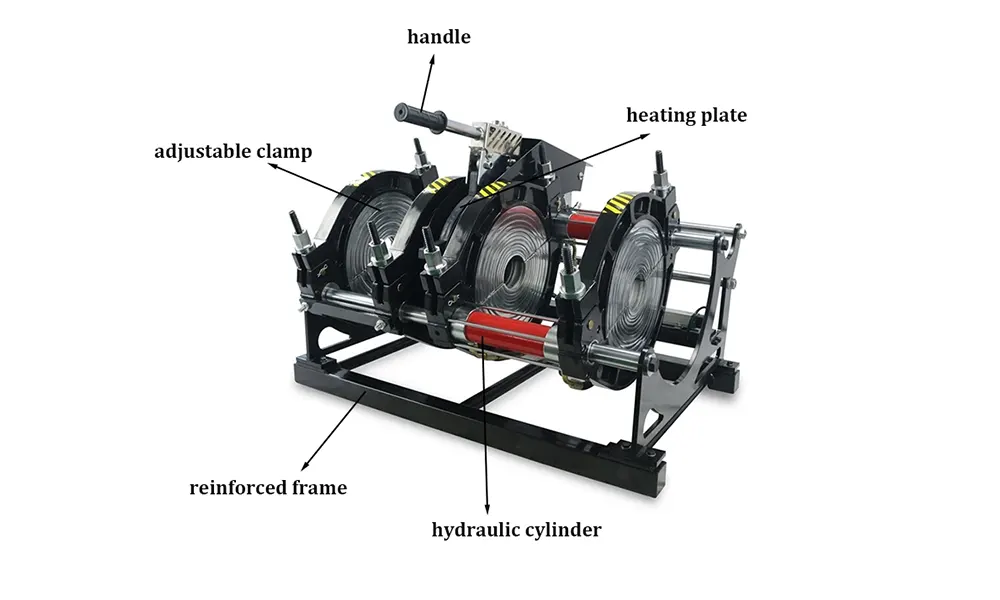
Look for machines with accurate heating platen temperature control, precise facing/trimming mechanisms, and stable hydraulic systems. On Danish sites, corrosion-resistant components and easy maintenance are additional pluses due to coastal conditions.
Compliance, Standards and Local Needs
Danish projects often reference EN/DS standards for materials and welding procedures. Equipment that supports documented welding parameters and traceable records helps contractors pass inspections and meet lifecycle assurance requirements.
Practical considerations for Denmark
Port access and logistics are typically straightforward in Denmark, enabling timely delivery of larger hydraulic or automatic frames. For winter work and coastal deployments, choose units with sealed electronics and service plans that minimize downtime.
Service, Training and After-Sales Support
On-site training, spare-part availability and responsive technical support shorten ramp-up time and reduce project delay. Local partners and distributors familiar with Scandinavian project cycles can provide faster response and calibration services.
Who benefits most
Utility companies, municipal contractors, renewable-energy firms and industrial pipeline installers in Denmark all gain from durable welds, reliable machines and service-ready partners.
Trusted Manufacturer Mention
For buyers comparing options, consider a manufacturer with a track record in HDPE welding machines for a wide diameter range and global project experience: JQ-Fusion.
Final selection checklist
Confirm machine compatibility with pipe sizes, verify control/recording features, evaluate portability vs automation, and ensure spare parts & training are available within the region.



