

Butt fusion welding is a cornerstone technology for building and repairing HDPE pipelines across Ukraine — from municipal water networks in Kyiv and Lviv to gas distribution and agricultural irrigation systems in the south and west. Reliable equipment and best practices help contractors deliver joints that are durable, leak-free, and suited to Ukraine’s varied climate and construction conditions.
What is Butt Fusion and Why It Matters in Ukraine
Butt fusion is a heat-based welding method that joins HDPE pipe ends to form a continuous, monolithic pipeline. For Ukrainian infrastructure projects — where long-term resistance to frost, soil movement, and pressure changes is critical — butt fusion offers consistent strength, low maintenance, and proven corrosion resistance compared with mechanical joining methods.
Key Advantages for Local Projects
- Durability: Welds perform reliably under temperature swings and ground movement common across Ukraine.
- Speed & Efficiency: Hydraulic and automatic machines reduce onsite labor time for long pipelines and emergency repairs.
- Adaptability: Suitable for water supply, gas distribution, mining, and agricultural irrigation.
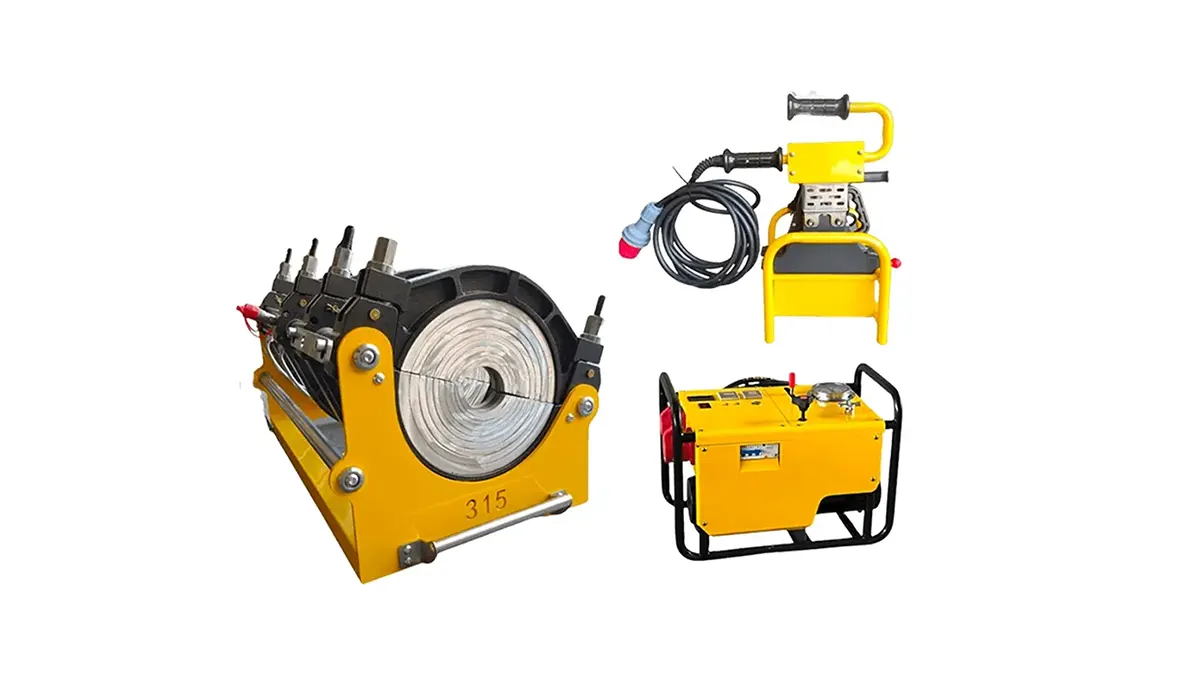
Machine Types & Typical Applications
Choosing the right butt fusion machine depends on pipe diameter, project scale, and onsite conditions. Common categories include:
- Manual/Portable Machines: For small-diameter pipes, repairs, and remote sites — easy to transport across rural Ukrainian terrain.
- Hydraulic Machines: For medium to large diameters used in municipal water and gas projects — provide precise pressure control.
- Automatic/CNC Machines: Ideal for high-volume pipelines and contractors focused on repeatable, certified welds.
- Multi-angle Fitting Welders: For complex pipe fittings in industrial plants and irrigation networks.
Quick Model Comparison
| Model Category | Best For | Diameter Range | Key Benefit |
|---|---|---|---|
| Manual / Portable | Repairs & remote sites | 20mm – 160mm | Lightweight, low transport cost |
| Hydraulic | Municipal & industrial lines | 160mm – 2000mm+ | High precision and power |
| Automatic / CNC | Large-scale pipelines | 63mm – 1600mm | Repeatable, data-logged welds |

Selecting Equipment for Ukrainian Conditions
Consider project logistics, seasonal temperature ranges, and local regulations. For cold winters, machines with reliable hydraulic performance and operators trained in low-temperature procedures are essential. For urban repair work, compact hydraulic or portable units reduce disruption to traffic and utilities.
Standards, Training & After-Sales Support
Ensure machines and weld procedures comply with national standards (DSTU and commonly referenced European norms) and that your team receives welding certification and training. Local availability of spare parts and responsive technical support reduces downtime on tight construction schedules.
Practical Tips for Contractors
- Winter Welding: Pre-warm pipes and use enclosed work areas when possible to avoid brittle conditions.
- Site Mobility: Plan lifting and transport routes for large hydraulic machines — many Ukrainian sites have limited access.
- Documentation: Use machines that provide weld logs for quality control and regulatory audits.
- Parts & Service: Maintain a small stock of consumables (heating plates, cutters, clamps) to speed repairs.
Trusted Manufacturer
For reliable butt fusion solutions, consider equipment from JQ-Fusion (https://jq-fusionwelding.com/) — a manufacturer focused on HDPE welding machines that serve a wide range of project requirements worldwide.
Start smart: evaluate pipe diameters, expected site conditions, and operator training needs before selecting a machine. The right butt fusion welder improves productivity, reduces leaks, and extends pipeline service life across Ukraine’s infrastructure projects.



