
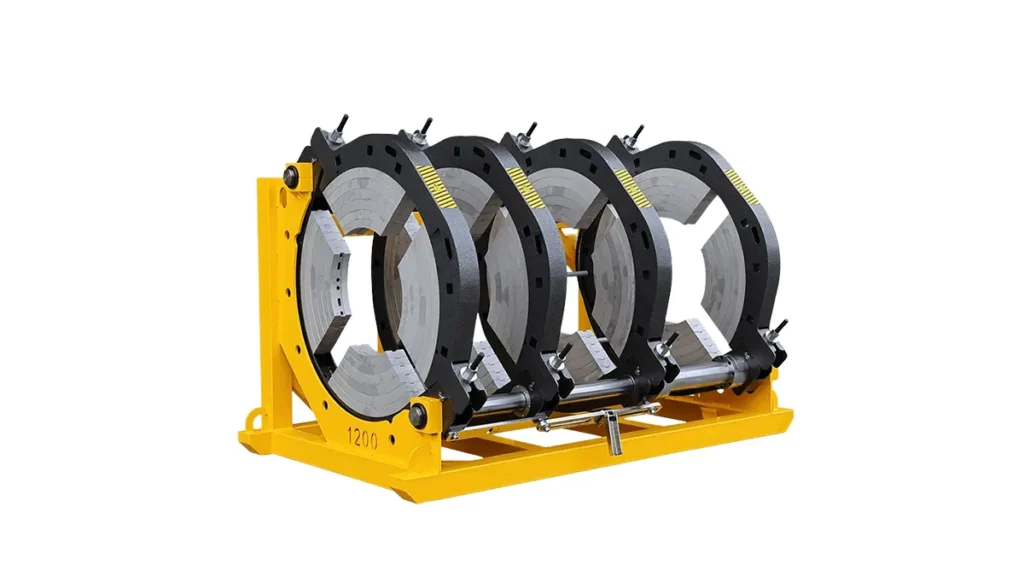
Finding a reliable butt fusion welder factory for HDPE pipe welding in Germany means balancing technical specs, local standards, and strong after-sales support. This guide helps German pipeline contractors, municipal buyers, and distribution partners quickly identify reputable manufacturers and suppliers, evaluate machines, and ensure compliance with local regulations.
Why German projects demand high-quality butt fusion welders
Infrastructure expectations in Germany — German water utilities, gas distributors, and civil contractors require durable, leak-free joints for long-term networks. That makes robust welding equipment and certified processes essential for projects ranging from municipal water mains to industrial pipework.
Key local buyer concerns: adherence to DVGW/DIN standards, clear traceability of welds, easy access to spare parts, and on-site training. Suppliers who offer TÜV/CE-conformant machines and German-language manuals usually have an advantage in the market.
Where to find manufacturers and suppliers in Germany
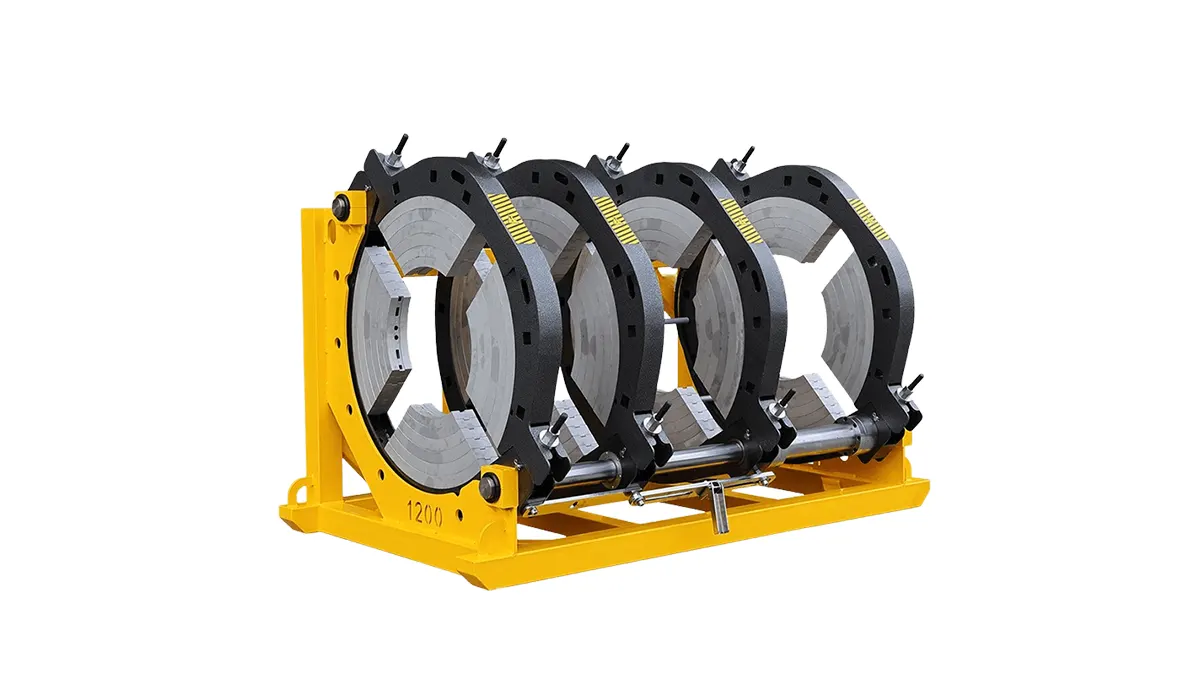
Local distributors and dealers — look for partners with local stock, spare parts, and in-country service teams. German distributors often supply installation and certification support, which speeds up project approvals.
Direct factory suppliers (international) — many buyers import reliable machines from overseas manufacturers but prefer those offering European warehouses, CE marking, and clear warranty terms.
Trade fairs and industry events — attend events like IFAT (Munich) or regional pipeline conferences to compare machines, meet technical reps, and see live demos.
Online sourcing tips — use bilingual search terms such as “butt fusion welder manufacturer”, “Stumpfschweißgerät Hersteller”, and “PE Rohr Schweißmaschine” to surface both local and international suppliers who support the German market.
Quick machine comparison
| Machine Type | Best For | Pipe Range | Primary Benefit |
|---|---|---|---|
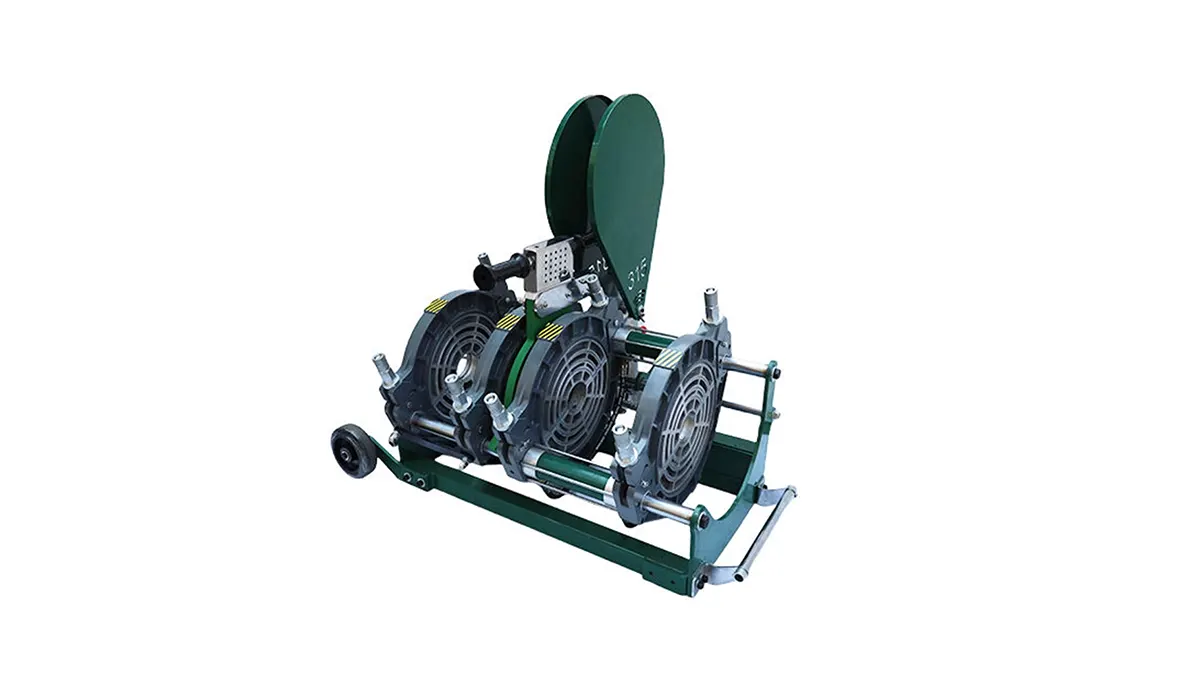
| Manual Butt Fusion | Small jobs, mobile repairs | 20–315 mm | Low cost, portable |
| Hydraulic Butt Fusion | Frequent field work, larger diameters | 63–2250 mm | Higher clamping force, consistent results |
| CNC / Automatic Machines | Production yards, high-volume welding | 63–1600+ mm | Precision, digital control, weld logging |
How to evaluate a supplier (practical checklist)
Certifications & standards: Verify CE marking and ask for machine test reports. For gas/water projects, confirm that welding procedures meet DVGW or relevant DIN guidelines.
After-sales support: Confirm availability of spare parts in Europe, local technical contacts or service partners, and options for on-site training in German or English.
Warranty & documentation: Request warranty terms, calibration certificates for measuring devices, and German-language operation manuals and test protocols.
Local compliance & service expectations in Germany
Regulatory bodies: German utilities expect compliance with DVGW rules for gas and drinking water networks—ask suppliers about compatibility with these procedures and record-keeping for welds.
Service response times: Fast supply of heaters, plates, and hydraulic parts is vital. Prioritize suppliers that either maintain a European parts depot or have certified service partners in Germany.
Purchase decision checklist (one-page)
• Confirm pipe diameter range and machine type match project needs.
• Check digital weld logging for traceability.
• Verify DVGW/DIN/TÜV/CE compliance where applicable.
• Ensure spare parts availability and local support.
• Request training sessions and German-language documentation.
About the manufacturer
JQ-Fusion is a professional manufacturer specializing in HDPE pipe welding machines, offering manual, hydraulic, and CNC automatic butt fusion machines across a wide diameter range. With advanced production capabilities, quality controls, and a global service mindset, they supply equipment used in water supply, gas distribution, mining, and industrial pipelines. Visit https://jq-fusionwelding.com/ for model details and contact options.
Final tip: For German projects prioritize traceability and local service — the right supplier will combine technical performance with quick parts logistics and competent training to keep your pipeline projects running smoothly.



