
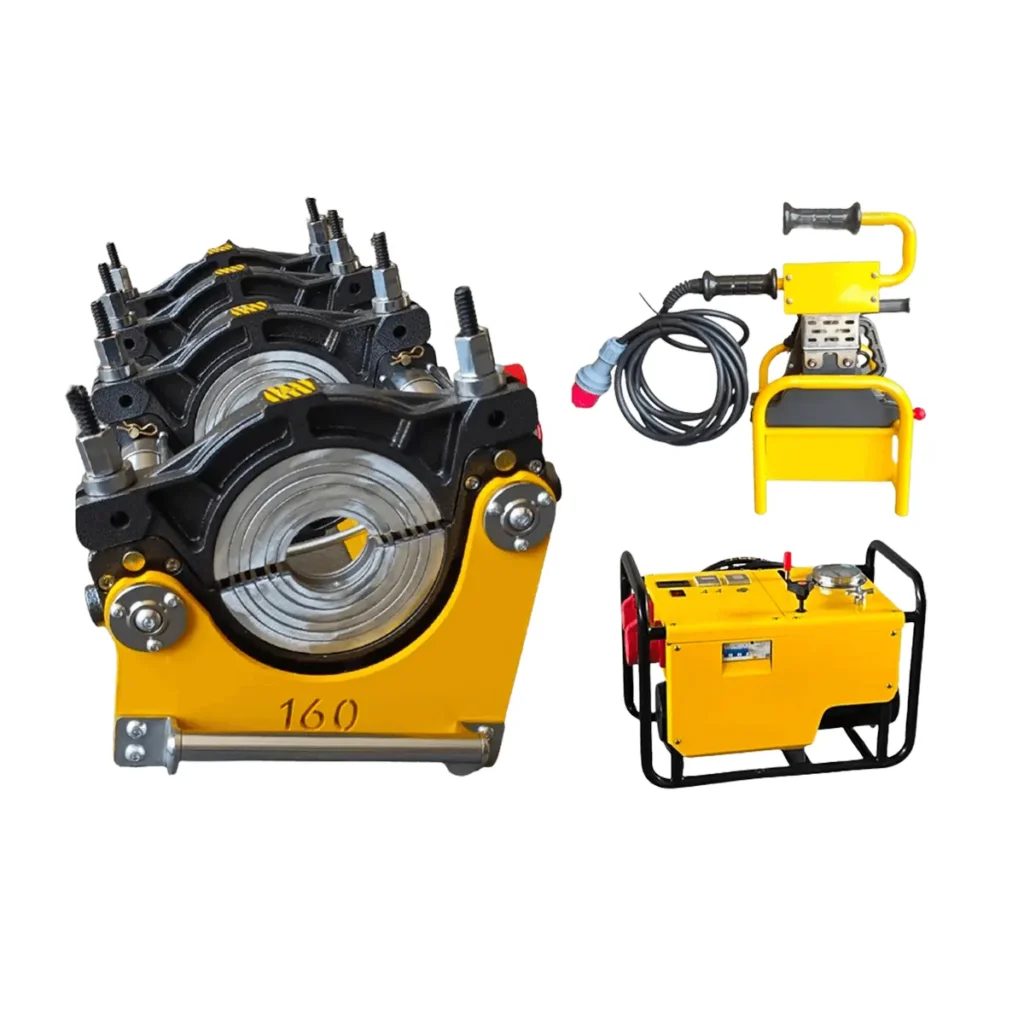
Choosing the right butt fusion welder factory in China can make or break a pipeline project. This guide helps procurement managers, contractors, and distributors evaluate Chinese manufacturers so you can balance price, quality, delivery and long-term support.
Why consider a China-based butt fusion welder manufacturer?
China remains a global manufacturing hub with broad supply chains, competitive pricing and fast prototyping. Many Chinese suppliers deliver complete ranges — from manual and hydraulic units to CNC automatic butt fusion machines — and can scale production for large infrastructure projects in water, gas, mining and industrial pipelines.
When sourcing from China expect strengths in component availability, factory inspection opportunities, and export-ready logistics. At the same time, verify technical documentation, testing records and after-sales capabilities before placing a large order.
Key selection criteria to evaluate
Experience & product range: Look for factories that manufacture manual, hydraulic and automatic butt fusion welders across a wide diameter spectrum. A broad product line reduces the risk of mismatch with your project needs.
Quality control & testing: Ask for weld sample reports, pressure test records and production QC checklists. Reliable factories run destructive and non-destructive tests and keep traceable records.
| What to check | Why it matters |
|---|---|
| Years in business & references | Proven delivery on similar projects reduces risk. |
| Machine range (diameter & type) | Ensures compatibility with your pipeline sizes and automation level. |
| QC processes & test reports | Verifies consistent weld quality and long-term reliability. |
| Certifications (CE, ISO, export docs) | Necessary for regulatory compliance and international projects. |
| After-sales & spare parts | Minimizes downtime on site; important for remote project locations. |
Machine types and what to prioritize
Manual butt fusion machines are cost-effective for smaller teams and often highly portable. Prioritize solid clamp systems and easy trimmers.
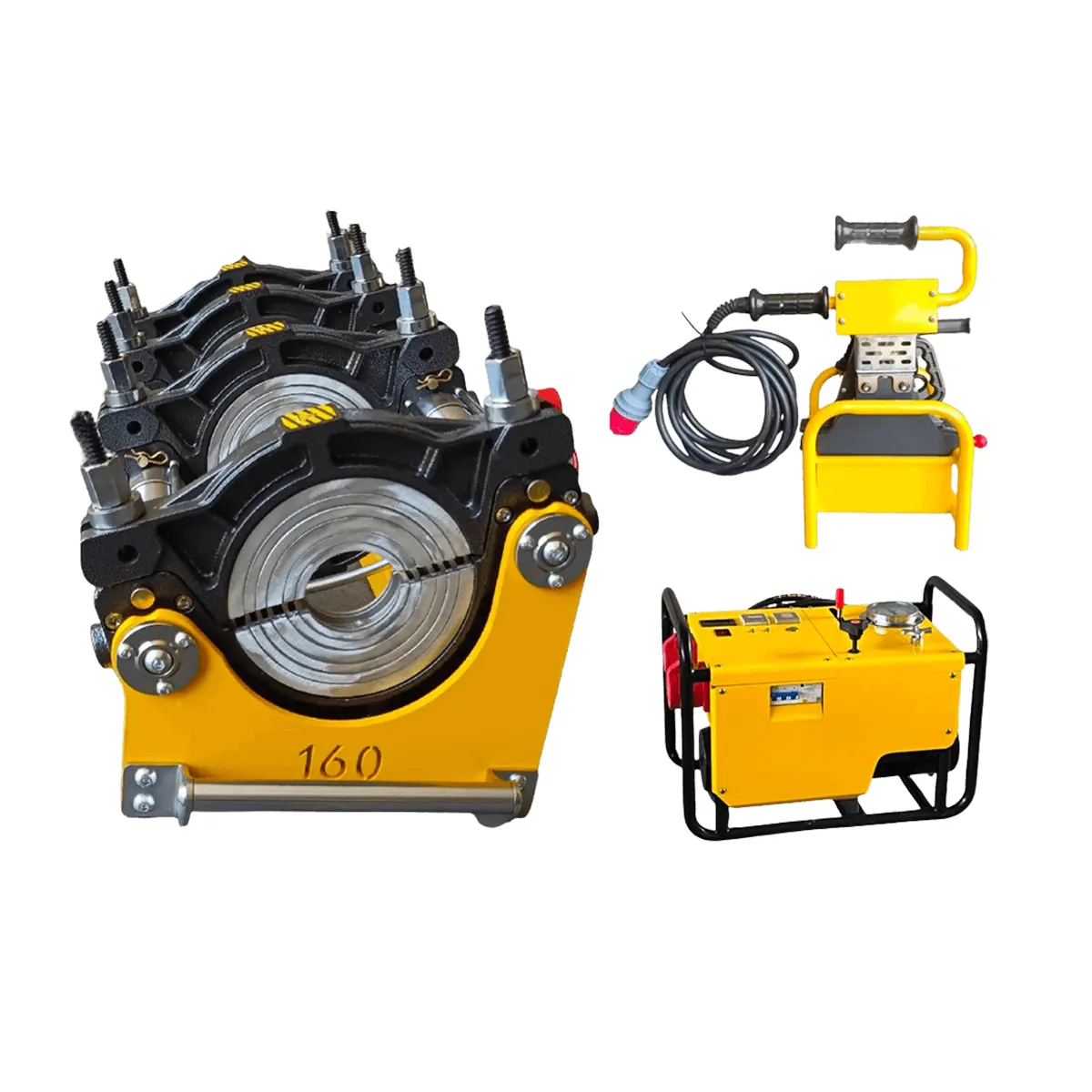
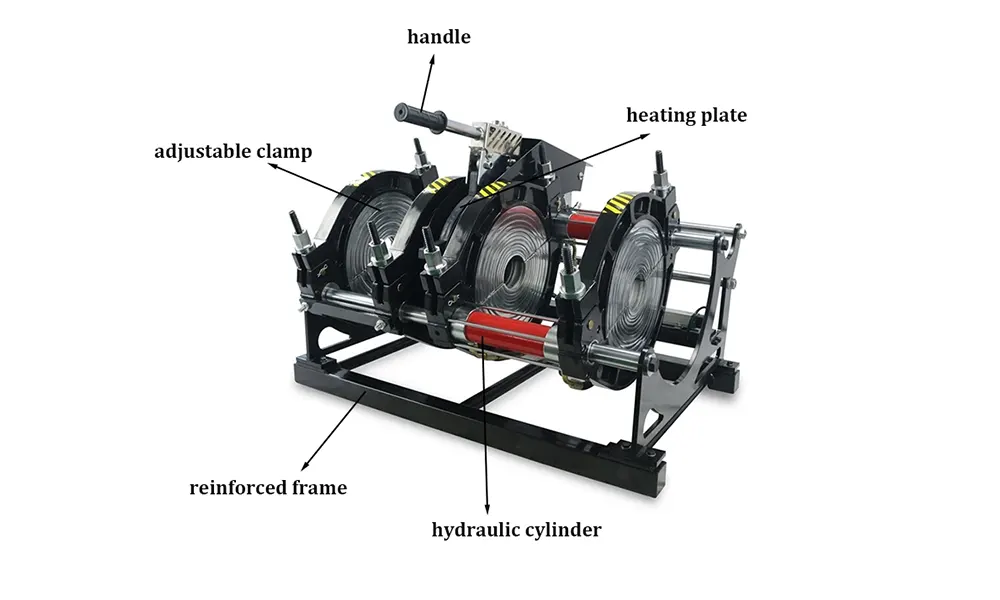
Hydraulic butt fusion machines suit medium to large diameter pipes and heavier workloads. Check hydraulic station reliability, pressure control accuracy and clamp materials.
Automatic/CNC butt fusion machines deliver repeatable, data-logged welds for large projects. Evaluate control software, welding program flexibility, and data export options for QA records.
Certifications, standards and export readiness
Ensure the factory can provide export documentation (commercial invoice, packing list, CO, and any country-specific certificates). For European or North American projects, confirm CE marking or other recognized standards and ask for third-party test reports where possible.
After-sales service, spare parts and training
A strong supplier offers clear warranty terms, fast spare parts shipping, and operator training (on-site or virtual). Ask how they support remote installations and emergencies — response time matters for critical pipeline work.
Price vs total cost of ownership
Low unit price is attractive but factor in longevity, maintenance ease, energy consumption (for heaters and hydraulic stations), and availability of consumables (heating plates, clamps, cutting tools). A slightly higher upfront cost can be cheaper over the equipment lifecycle.
Tips for buyers in Asia, Africa and Europe
If you operate in Southeast Asia or Africa, prioritize suppliers with experience exporting to similar climates and with efficient sea freight packing practices. European buyers often require stricter certification and documentation. Communicate expected service levels and spare parts lead times before signing contracts.
For a practical example, JQ-Fusion (https://jq-fusionwelding.com/) manufactures a wide range of manual, hydraulic and automatic butt fusion welders and maintains QC processes and export experience suitable for global projects. Contact their sales team to request datasheets, sample weld reports and lead times for bulk orders.
Final checklist: verify references, request test weld reports, confirm certifications, review warranty & spare parts policy, and evaluate software/data logging if you need traceable weld records.



