
Choosing the right butt fusion welder supplier and service provider in Tajikistan requires more than price comparison — it demands an understanding of local project conditions, logistics, standards, and reliable after-sales support. From mountain irrigation networks to urban water supply and gas distribution, contractors and project owners in Tajikistan need machines that perform in cold winters, hot summers, and remote job sites.
Key product and machine considerations
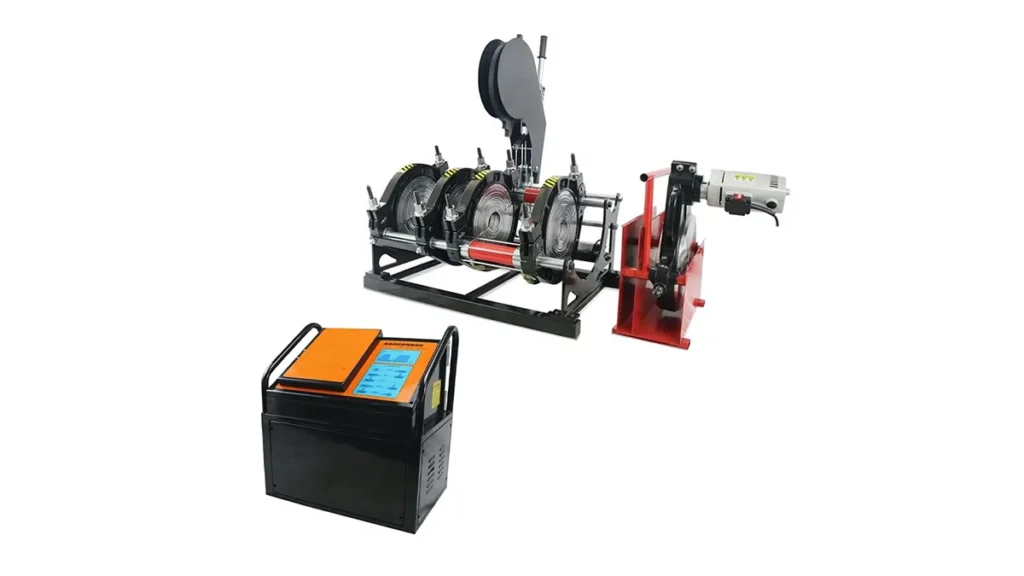
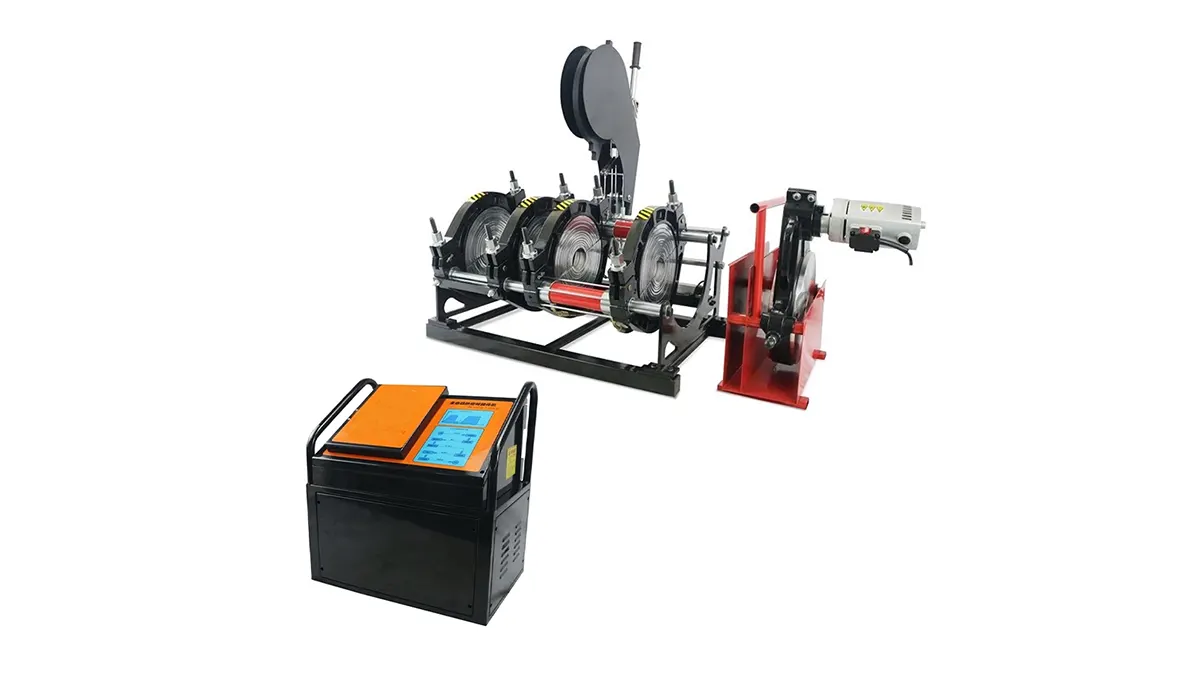
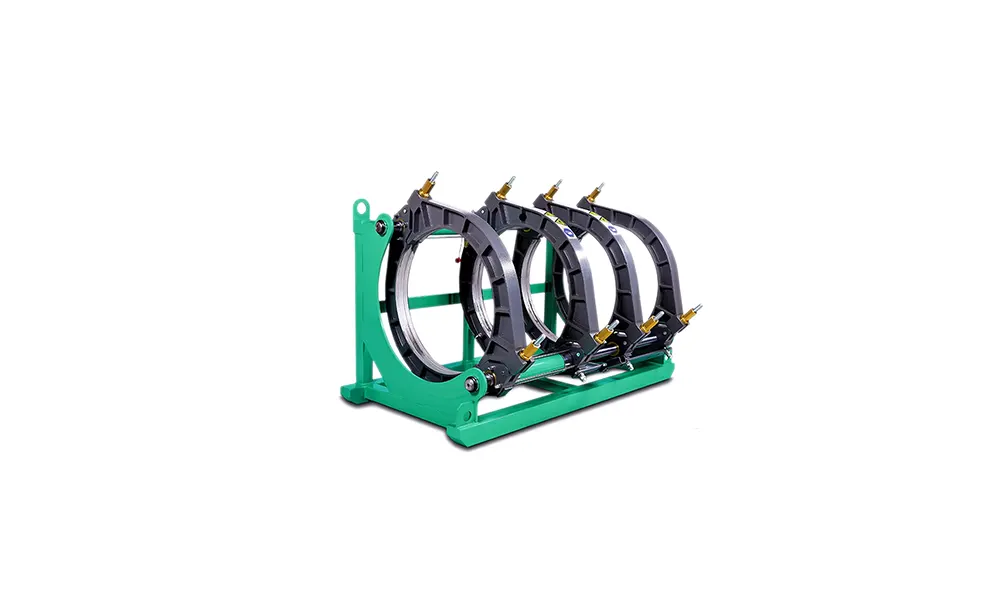
Machine types: Evaluate whether you need manual, hydraulic, or CNC automatic butt fusion machines. Manual units suit small crews and tight budgets, hydraulic frames provide higher force and consistency for larger diameters, while automatic machines deliver repeatable welds for long pipeline runs and quality-critical projects.
Pipe range and compatibility: Ensure the supplier covers the HDPE pipe diameters and pressure classes used in Tajikistan projects — common ranges include DN63 to DN1600 and above. Confirm compatibility with local fittings, electrofusion accessories, and trimming tools.
Standards, testing and documentation
Ask suppliers for compliance with international standards (ISO, ASTM, DVS) and weld traceability systems. Suppliers that provide welding procedure specifications (WPS), calibration certificates for heaters and pressure units, and documented test welds will help ensure acceptance by local authorities and lenders.
After-sales service and spare parts accessibility
In Tajikistan, long lead times for spare parts can stop a project. Prioritize suppliers who can: provide local stocking partners or fast international shipping, offer clear spare parts lists, and deliver consumables like heating plates and cartridges. Response time for technical support matters — choose partners who commit to rapid remote guidance and on-site service when required.
Training and commissioning
Reliable suppliers should include operator training, commissioning on site, and welding supervision during initial project phases. Training in Russian or Tajik and practical sessions on local pipe grades will speed up acceptance and reduce rework.
Logistics, customs and local support
Plan for freight to landlocked Tajikistan, customs clearance, and inland transport to mountain sites. Suppliers that work with experienced freight forwarders or have regional distributors reduce delays. Consider suppliers offering installation support and local technical contacts for faster problem resolution.
Warranty, maintenance and long-term value
Compare warranty terms, preventive maintenance offerings, and availability of extended service contracts. A slightly higher upfront cost for a durable machine with a solid warranty and accessible maintenance saves money on downtime and repairs in remote Tajik job sites.
Tajikistan-specific tips
Terrain and climate: Choose equipment with robust frames and transport-friendly design for mountain roads. Cold-weather operation capability and protective covers for heating elements are useful during winter months.
Language and documentation: Ensure manuals and training materials are available in Russian or Tajik, or that bilingual trainers are provided. Local-language documentation speeds crew onboarding and compliance checks.
Project types: For irrigation upgrades, municipal water networks, mining water/recovery systems, or gas distribution, confirm the supplier’s track record with similar project types and pipe pressure classes.
How to vet suppliers: checklist and questions to ask
Request the following before awarding a purchase or service contract: equipment datasheets, calibration certificates, sample welding logs, spare parts lead times, training plan, warranty details, references for Tajikistan or nearby Central Asian projects, and documented response times for technical support.
| What to check | Why it matters |
|---|---|
| Machine models & pipe size range | Ensures fit-for-purpose equipment for the project scope |
| Spare parts availability | Reduces downtime and keeps schedules on track |
| Training & on-site commissioning | Improves weld quality and acceptance by inspectors |
| Local logistics & customs experience | Prevents import delays and extra costs |
Selecting a partner: red flags and green flags
Green flags: Clear spare parts pricing, local references, bilingual training, documented test welds, and transparent warranty terms. Red flags: Vague delivery timelines, missing calibration certificates, no after-sales contacts, or unwillingness to conduct on-site acceptance tests.
Example supplier capability
JQ-Fusion provides a broad range of manual, hydraulic and automatic butt fusion machines with spare parts and technical support tailored for infrastructure projects — review their model range, training options, and spare parts policy when evaluating your procurement options.
Practical next steps for Tajik projects
Request detailed quotes with lead times, ask for weld samples or video demonstrations, schedule operator training in Russian/Tajik, and secure a spare parts kit for initial commissioning. Prioritize suppliers that offer a clear local support plan so field teams can keep pipelines flowing without costly interruptions.



