
South Africa’s infrastructure boom—from municipal water networks to mining and rural irrigation—demands butt fusion welders that are both affordable and reliable. This guide helps contractors, engineers, and procurement officers in South Africa evaluate options, understand local considerations, and choose equipment that delivers durable HDPE pipe joints with consistent results.
What South African Contractors Need from a Butt Fusion Welder
Durability in harsh conditions: Machines must withstand dusty, hot sites and frequent on-road transport between worksites in provinces like Gauteng, Western Cape, and the Northern Cape.
Wide size range: From household water reticulation to large-diameter municipal mains, local projects require machines that cover small (63–160mm) to large (500mm+) pipes.
Reliable after-sales and spare parts: Quick access to parts and technical support reduces downtime on projects where timelines and budget constraints are strict.
Key Features to Prioritize
Consistent heating plate control: Precise temperature and flatness ensure uniform fusion and stronger joints—critical for potable water and gas distribution systems.
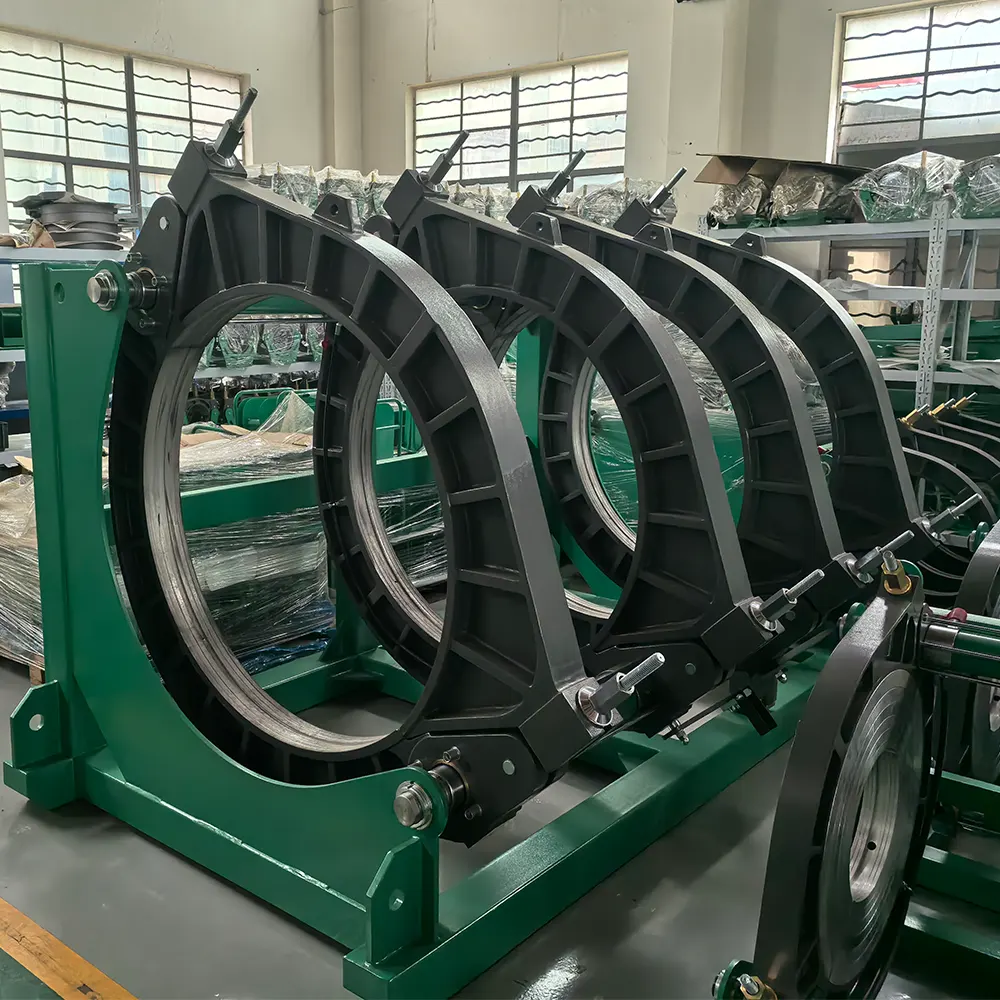
Stable clamping and alignment: Strong clamps and alignment systems reduce cold welds and rework, especially on longer pipe runs common in rural projects.
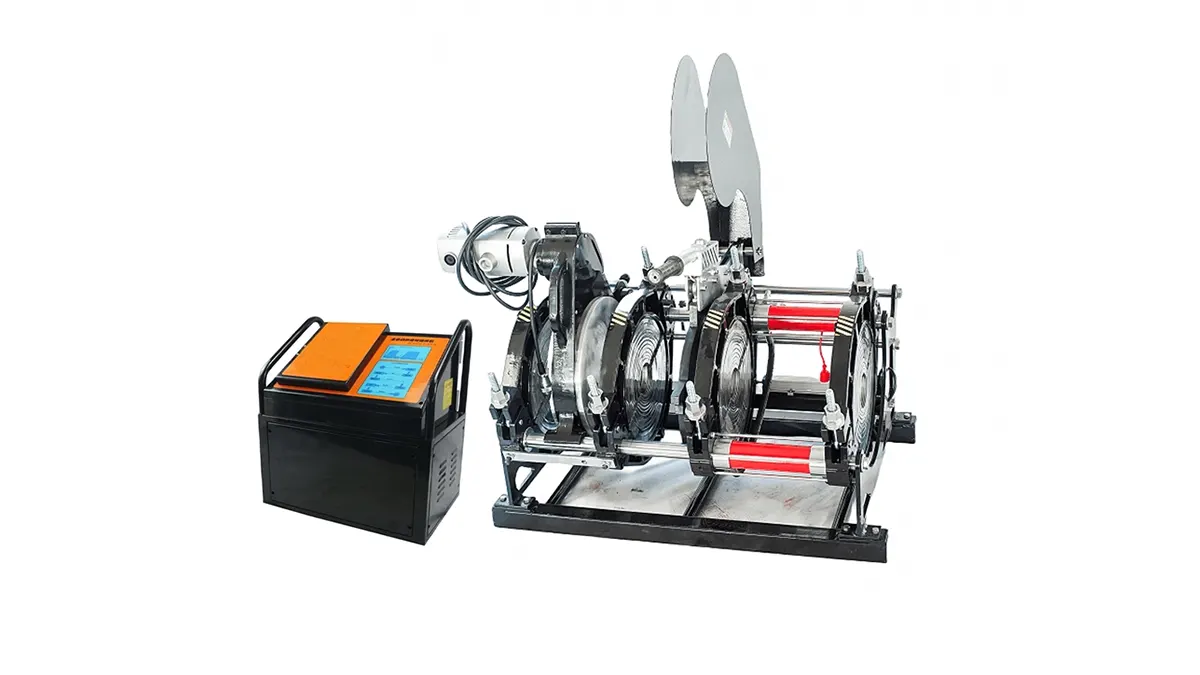
Portability vs automation: Manual or small hydraulic units are ideal for remote sites; CNC automatic units deliver repeatable results for factory or large pipeline projects.
Power flexibility: Machines that can run on generators or varied supply voltages are practical across South African sites with inconsistent grid access.
Affordability vs Reliability: Finding the Right Balance
Initial price is important, but total cost of ownership matters more. Consider warranty duration, availability of consumables, field service options, and training for local operators. Investing slightly more in a well-made machine often reduces repair costs and project delays.
Recommended Machine Types by Use Case
| Machine Type | Best For | Typical Pipe Range |
|---|---|---|
| Manual Frame | Small rural connections, repairs | 20–160mm |
| Hydraulic Butt Fusion | Municipal mains, medium to large projects | 160–1250mm+ |
| Automatic/CNC Units | High-volume welds, factory environments, pipeline contractors | 63–2000mm (model dependent) |
Practical Buying Tips for South African Buyers
Check local compliance: Ensure machines and weld procedures meet local municipal and industry requirements. Request procedure documentation and sample weld records.
Ask about training: Operator training reduces weld failures. Confirm whether the supplier or local distributor provides on-site or remote training for South African crews.
Consider logistics and customs: Factor import duties, delivery time to ports (Durban, Cape Town), and inland transport to your site when budgeting.
One Manufacturer to Consider
JQ-Fusion (https://jq-fusionwelding.com/) is a manufacturer specializing in HDPE butt fusion machines—offering manual, hydraulic, and CNC automatic options for a broad range of pipe diameters, commonly used in water, gas, mining, and industrial pipeline systems.
Final Advice for South African Projects
Evaluate machines based on durability, serviceability, and lifecycle cost rather than only purchase price. Request references from similar projects in South Africa or neighboring regions, verify spare parts lead times, and prioritize suppliers that offer training and responsive technical support. With the right butt fusion welder, teams in South Africa can deliver strong, leak-free HDPE networks that stand the test of time.



