
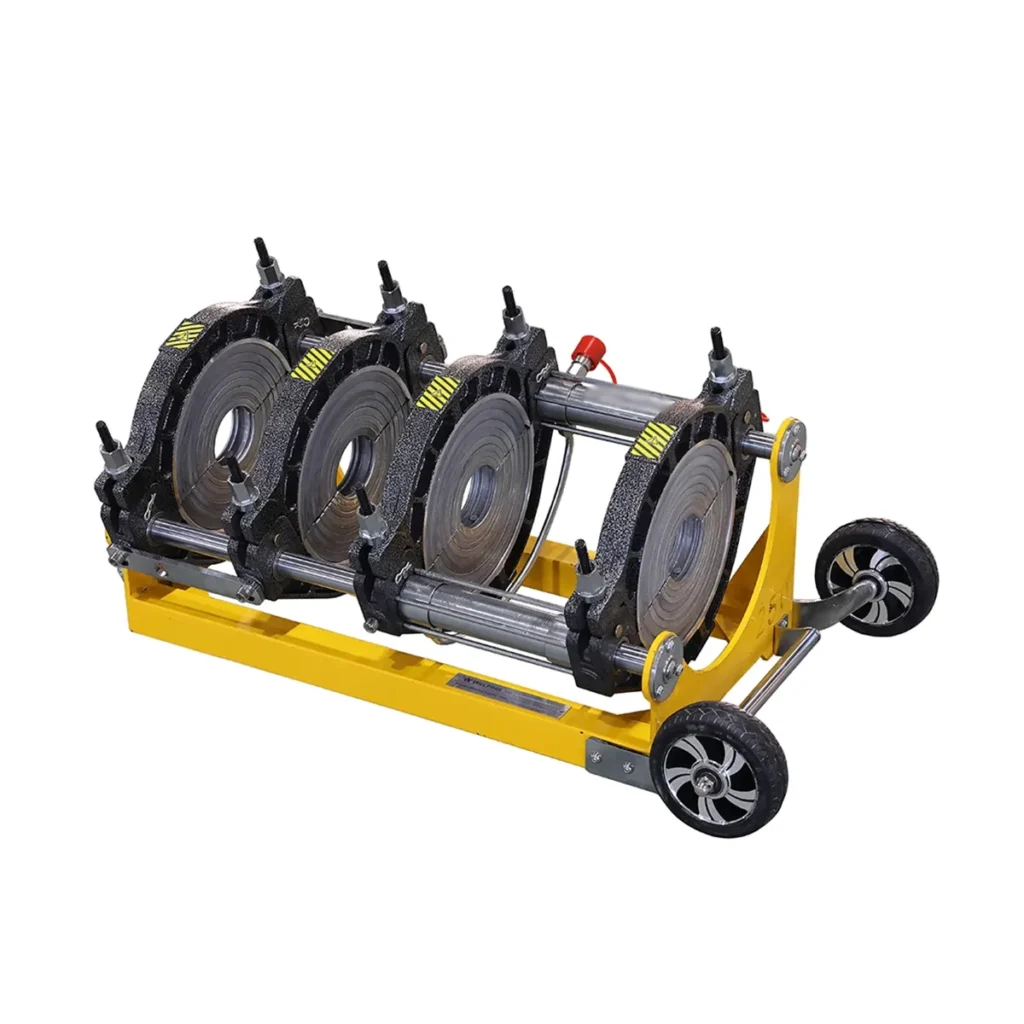
Choosing the right butt fusion welder for HDPE pipe projects in Slovakia requires balancing performance, portability, and compliance with European standards. Whether you’re a municipal utility upgrading water networks, a contractor working on gas distribution, or an installer serving rural areas, this guide highlights the practical factors to consider and the questions to ask suppliers.
Why butt fusion is preferred for Slovak infrastructure
Butt fusion welding produces strong, homogeneous joints that resist corrosion and leakage—ideal for Slovakia’s climate and long-term infrastructure needs. From municipal drinking water lines in Bratislava to gas distribution networks in regional towns, butt fusion ensures reliable pipe connections with reduced maintenance and fewer service interruptions.
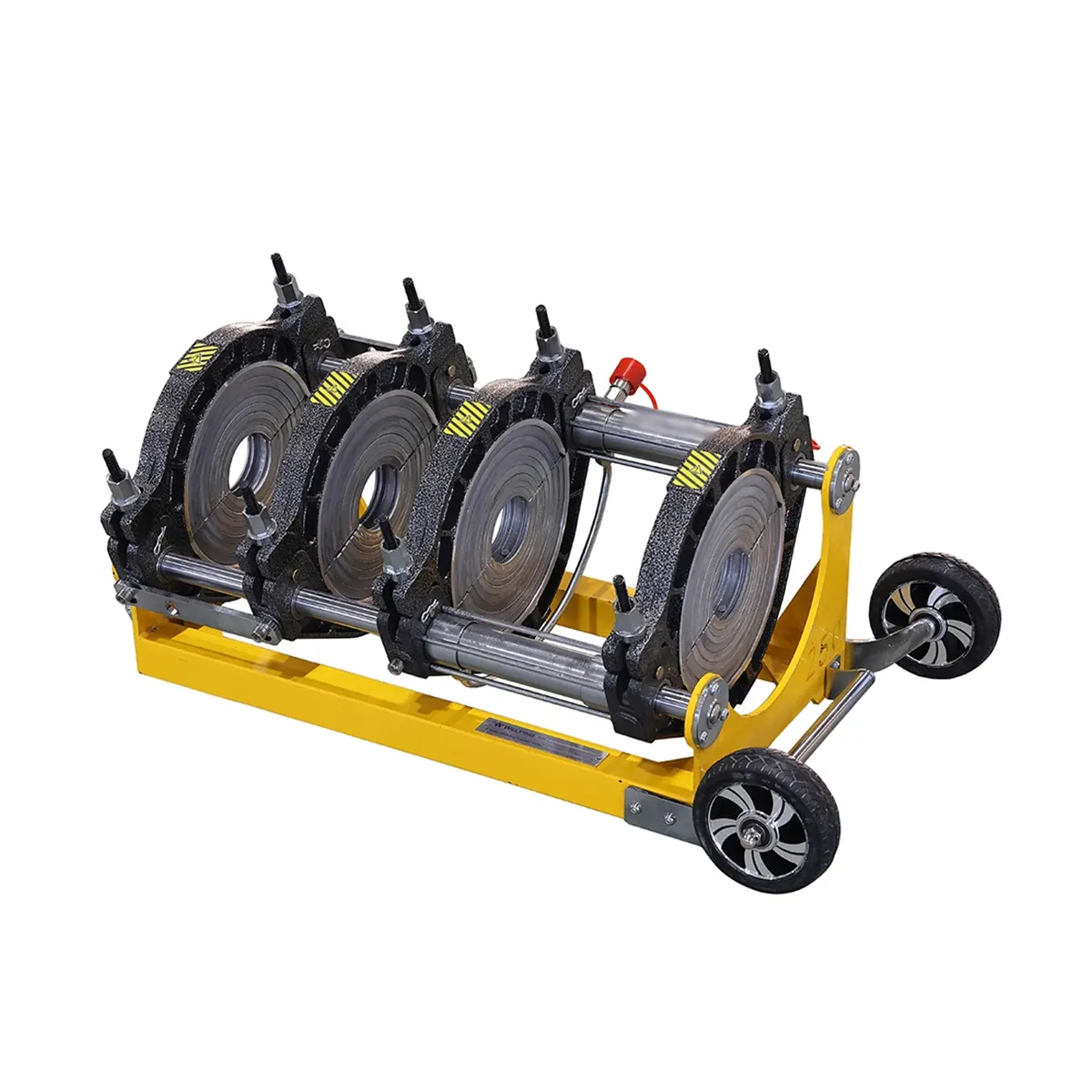
Top technical features to evaluate
When assessing machines, focus on these core capabilities:
• Maximum pipe diameter — match machine capacity to your largest project pipes.
• Heating plate quality — uniform temperature and durable coating improve weld consistency.
• Clamping system — aluminum or steel clamps must hold alignment under pressure for clean fusions.
• Control method — manual, hydraulic, or CNC automatic controls affect speed, repeatability, and required operator skill.
Compare machine types at a glance
| Type | Best for | Pros | Cons |
|---|---|---|---|
| Manual | Small jobs, remote sites | Lightweight, low cost | Operator dependent |
| Hydraulic | Medium to large mains | Stable pressure, faster cycles | Heavier, needs maintenance |
| CNC Automatic | High-volume or precision projects | Repeatable, saved parameters | Higher upfront cost |
Durability, service and spare parts — why they matter in Slovakia
Slovakia’s construction market values machines that withstand harsh conditions and long job-site cycles. Prioritize vendors that offer accessible spare parts, fast technical support, and thorough documentation in English or local languages. For operators working in smaller towns, reliable on-site service can be a major deciding factor.
Regulatory and quality considerations
Ensure machines and welding procedures meet relevant European standards (such as EN 12201 for plastic piping systems) and can produce traceable weld records for public works and private contracts. Calibration, certification, and operator training will protect projects from rework and liability.
Operational and economic factors
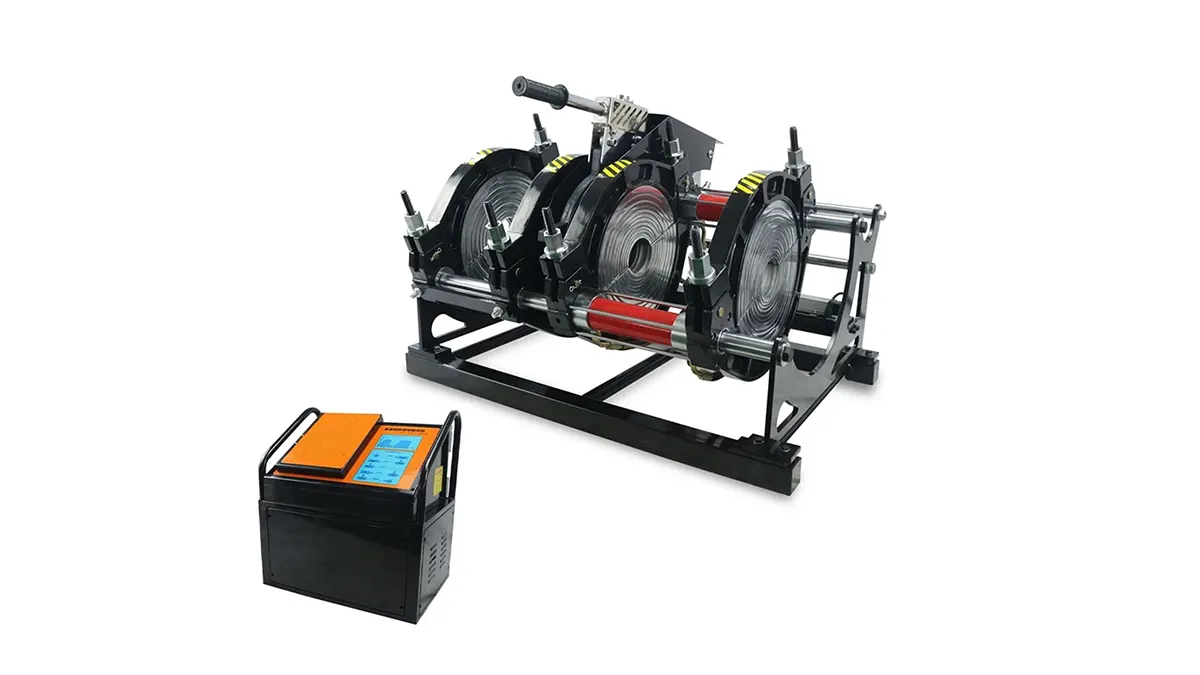
Consider the total cost of ownership: initial purchase price, consumables, energy consumption, transport, and expected downtime. Automatic machines raise productivity but require trained technicians; manual units have lower capital cost but higher labor intensity. For Slovakia’s mix of urban renovation and rural installation projects, a mid-range hydraulic machine often delivers the best balance.
Questions to ask any supplier
• What pipe diameters and SDR ranges does the machine support?
• Is there an in-country distributor or authorized service partner?
• What warranty and spare-part lead times are offered?
• Can the supplier provide training, certificates, and welding procedure records (WPRs)?
Supplier note
JQ-Fusion manufactures a wide range of manual, hydraulic, and CNC automatic butt fusion welding machines designed for global infrastructure projects and can supply documentation and spare parts support.
Final tips for Slovak buyers
Inspect demo welds, request references from similar projects in Central Europe, and verify that consumables (heating plates, faces, clamps) are available locally or through quick shipping. Investing in operator training and routine maintenance will maximize weld quality and machine life across Slovakia’s varied job sites.



