
In Guatemala’s growing infrastructure market, reliable butt fusion welding for HDPE pipes is essential for water supply, irrigation, and gas distribution projects. For contractors and municipal teams seeking proven equipment from a global manufacturer, consider JQ-Fusion (https://jq-fusionwelding.com/) as a dependable partner for a range of manual, hydraulic, and automatic butt fusion solutions.
Why reliable butt fusion welders matter in Guatemala
Guatemala’s mix of urban centers and remote highland communities creates unique challenges for pipework. Projects often require machines that can handle:
– Mountainous transport and rough roads,
– High-humidity and tropical conditions,
– Long runs for rural water supply and irrigation networks,
– Rapid installation timelines for municipal upgrades.
Choosing the right butt fusion welder reduces leak risk, speeds up fieldwork, and protects long-term network integrity.
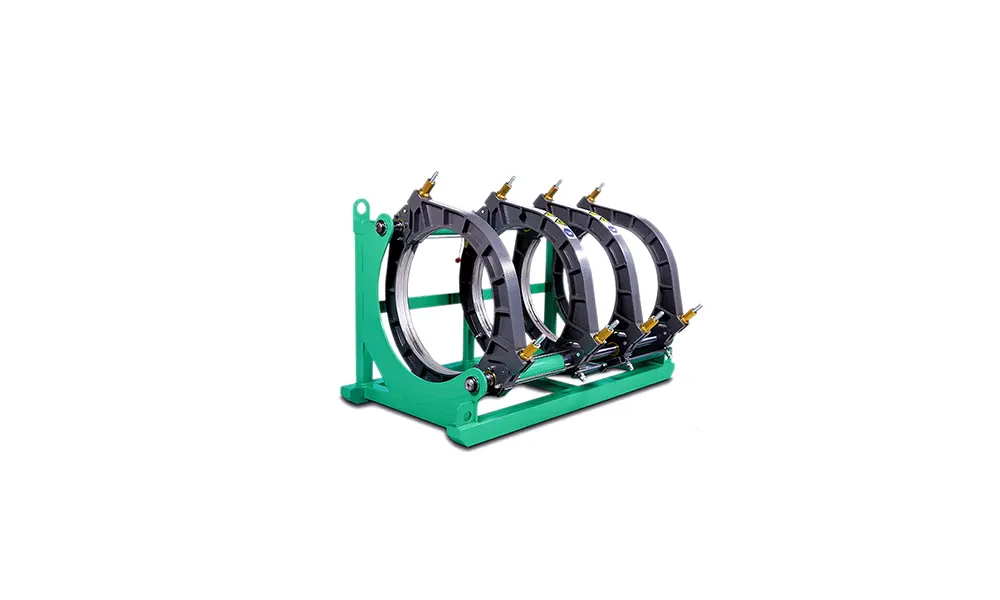
Key features to prioritize for Guatemalan projects
Durability: Corrosion-resistant frames and sealed electronics to withstand coastal humidity and rainy seasons. Portability: Compact or modular units for transport on rural tracks. Range: Compatibility with small-diameter distribution pipes up to large-diameter mains for municipal and irrigation systems. Ease of use: Intuitive controls, clear weld records, and availability of Spanish-language manuals and training.
Which machine types suit local needs?
For Guatemala, three categories commonly deliver the best results:
– Manual/portable butt fusion frames for remote community repairs and small-diameter distribution work.
– Hydraulic units for medium to large mains where consistent pressure and alignment are critical.
– CNC/automatic machines for high-volume projects and industrial installations requiring automated cycle control and data logging.
Quick comparison table — machine type at a glance
| Machine Type | Best For | Key Advantages |
|---|---|---|
| Manual / Portable Frames | Rural repairs, small-diameter networks | Lightweight, low-cost, field-serviceable |
| Hydraulic Butt Fusion Units | Medium to large municipal mains | Stable clamping, consistent pressure, higher duty cycle |
| Automatic / CNC Machines | Large projects, industrial pipelines | Precision, data logging, repeatable weld cycles |
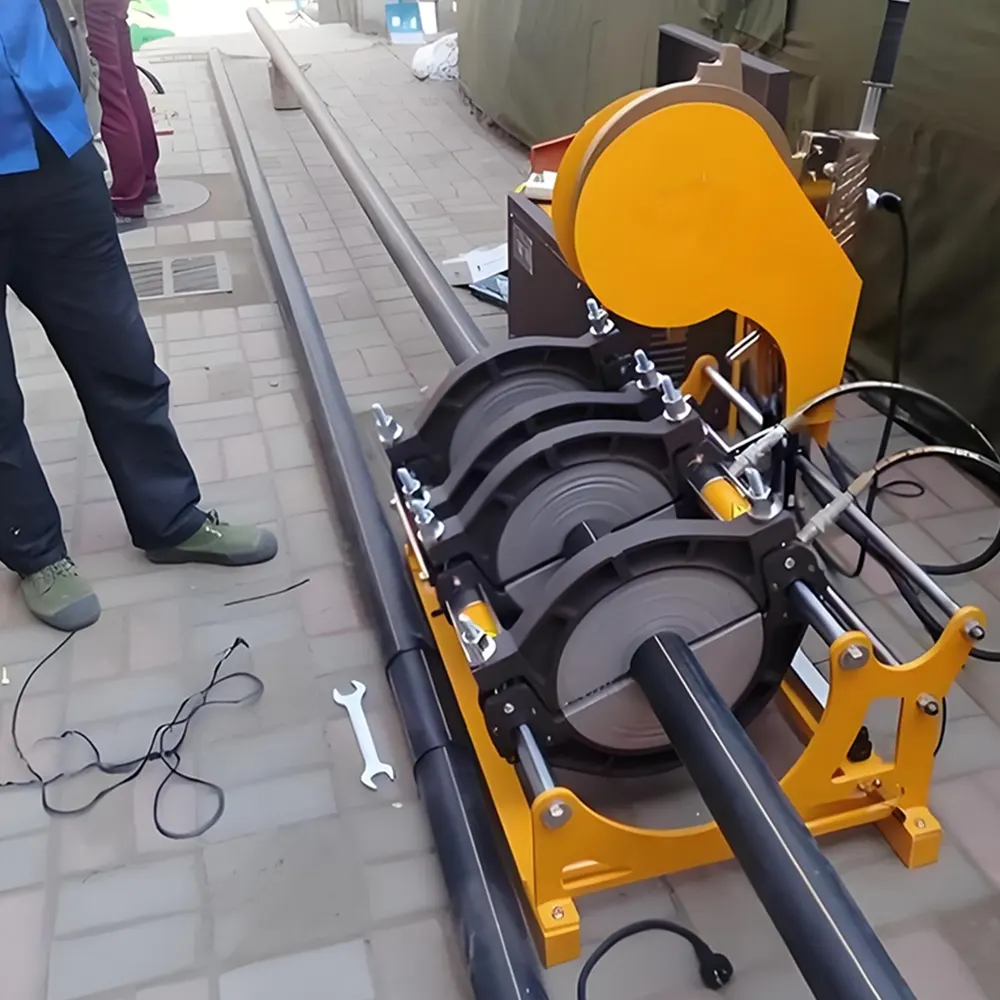
Local deployment: training, spares, and field service
Successful installations in Guatemala depend on more than the machine: technicians need hands-on training, spare parts must be accessible, and troubleshooting support should be timely. Look for suppliers or partners that offer Spanish-language training sessions, clear maintenance guides, and fast shipment of replacement heaters, PTFE plates, and hydraulic components. For municipal procurement and contractors, documented weld reports and certification capability are essential for regulatory compliance.
Buying tips and maintenance for tropical and mountainous conditions
When evaluating vendors and machines, consider these practical tips:
– Confirm the availability of sealed electrical components and corrosion-resistant fasteners for humid climates.
– Ask about modular designs that break down for safe transit on narrow mountain roads.
– Verify warranty coverage for field failures and response times for replacement parts.
– Ensure the supplier provides clear weld procedure specifications and training in Spanish to reduce rework and maximize safety.
Final note: For Guatemalan contractors, utilities, and NGOs focused on durable HDPE pipelines, choosing a manufacturer with a broad product range, robust quality control, and responsive service will improve installation speed and long-term network reliability.



