
Estonia’s construction, utilities, and agricultural sectors increasingly rely on durable HDPE pipeline solutions — making the choice of a butt fusion machine critical. Whether you’re a local contractor in Tallinn, a municipal utility team in Tartu, or a rural installer servicing remote sites in Võru County, this guide explains where to find reliable butt fusion welding equipment and how to pick the right solution for Estonia’s climate and regulations.
Where to Buy Butt Fusion Machines in Estonia
Local options include Baltic distributors, specialized pipeline equipment wholesalers, and certified resellers that stock portable manual units and hydraulic welders. For larger or customized orders, many Estonian buyers import directly from manufacturers or European warehouses to reduce lead times and ensure CE certification. For direct factory supply and a broad product range (manual to CNC automatic machines), see JQ-Fusion: https://jq-fusionwelding.com/.
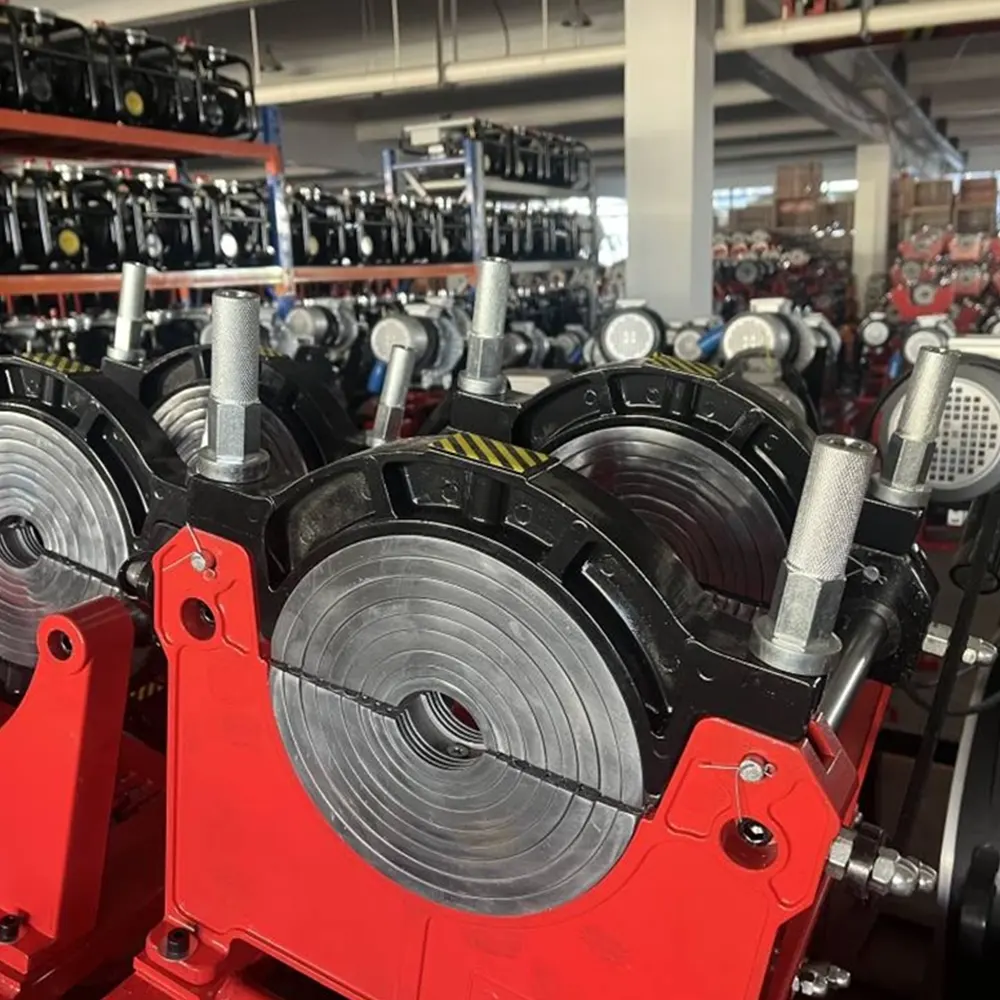
Best Buying Channels for Estonian Buyers
- Local wholesalers and rental companies — ideal for short-term projects or trialing equipment before purchase.
- Authorized distributors in the Baltics — provide spare parts, on-site training, and quicker service response.
- Direct factory orders — cost-effective for bulk purchases, custom frames, or non-standard pipe diameters; plan for shipping and customs.
- European stock centers — balance between quick delivery and warranty support, simplifying VAT and import procedures.
Key Considerations for Estonia’s Climate and Projects
Estonian projects face cold winters, coastal humidity, and a mix of municipal, agricultural, and industrial installations. Prioritize machines with robust hydraulic systems, corrosion-resistant clamps, and easily serviceable heating plates. For remote rural work, portability and battery-powered or low-consumption electric options improve efficiency.
Certifications, Warranty & After-Sales
Always confirm CE marking and ISO quality certificates. Choose suppliers who offer spare parts stocked in the EU or Baltic region, and who provide on-site commissioning and operator training. A clear warranty and local service contacts are vital for minimizing downtime on Estonian projects.
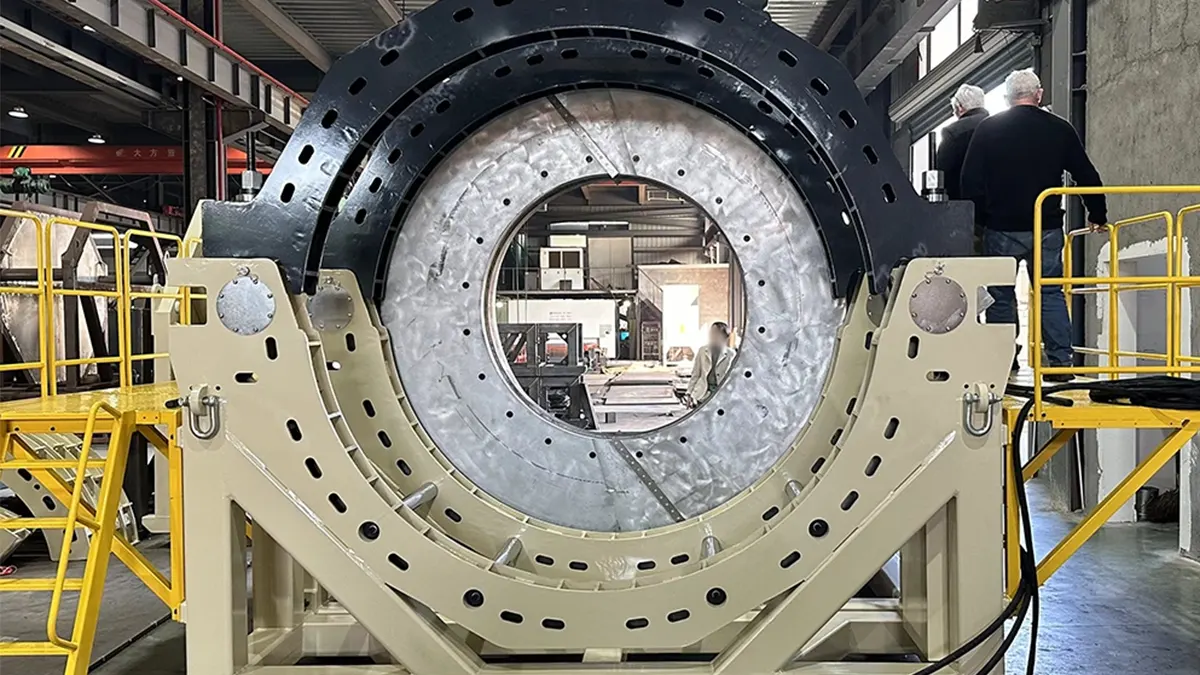
Shipping, Import & VAT Tips for Estonia
When importing, factor in EU VAT rules (intra-EU shipments may be VAT-exempt if seller and buyer meet conditions), customs clearance, and transit insurance. Choose DAP or DDP shipping terms for predictable costs. For urgent municipal or utility contracts, prioritize suppliers with European warehouses to avoid winter transport delays.
Quick Model Guide (Recommended by Application)
| Model Range | Pipe Diameter | Best For |
|---|---|---|
| Manual Series (e.g., Lx / SY) | 20mm – 160mm | Small repairs, farm water lines, low-volume installers |
| Hydraulic Series (e.g., H/ JQH) | 160mm – 1250mm+ | Municipal water, gas distribution, long-run pipeline projects |
| Automatic / CNC (e.g., A / JQA) | 63mm – 1600mm+ | High-volume contractors, precision joints, large-diameter installations |
Buying Checklist — What to Ask the Wholesaler
- Is the machine CE certified and does it meet local standards?
- Are spare parts available within the EU or Baltic warehouses?
- Does the supplier provide training, commissioning, and on-site support?
- What are the warranty terms and average lead time for service calls?
- Can the supplier advise on suitable machines for Estonia’s winter conditions and remote sites?
Final Advice for Estonian Buyers
Inspect demos where possible, compare total cost of ownership (machine price + shipping + parts + training), and favor suppliers with fast EU delivery or local Baltic partners. For tailored production capacity across manual, hydraulic, and automatic butt fusion machines and consolidated export support, visit the manufacturer’s site above to request datasheets, CE documentation, and lead-time estimates.



