
Butt fusion machines are critical for HDPE pipeline projects across the Democratic Republic of Congo — from municipal water networks in Kinshasa to mining and irrigation projects in Haut-Katanga and Kasaï. Whether you’re a local contractor, an expat project manager, or a procurement officer for a utility company, knowing where to source reliable butt fusion equipment and what to check before purchasing can save time and protect long-term project quality.
Where to Look for Butt Fusion Machine Suppliers in DR Congo
Start locally and expand outward. The common channels that work well in DR Congo include:
- Industrial hubs and distributors in Kinshasa and Lubumbashi — these cities host heavy-equipment dealers and after-sales workshops familiar with pipeline projects.
- Regional equipment suppliers in mining areas such as Kolwezi and Likasi — frequently stock hydraulic and manual butt fusion machines for site use.
- International manufacturers and exporters — many Congolese firms import machines directly from China and Europe; direct purchase often reduces unit cost and allows customization.
- Online B2B marketplaces and manufacturer websites — useful for comparing models, downloading datasheets, and requesting video demos.
- Trade shows and local industry events in Kinshasa — an effective place to inspect machines and meet local agents.
Key Locations and Logistics to Consider
When importing or buying in DR Congo, think through logistics: major seaports and transit points for heavy equipment include Matadi (for Kinshasa) and the Lobito/Angola corridor for southern provinces. For highlands and remote mining sites, air freight to Lubumbashi and then road transport is common. Local customs, transit permits, and transport to sites like Goma or Bukavu can add time and cost — plan for reliable local forwarding and offloading teams.
Language and Local Workforce
French is the official language of business in DR Congo; Lingala and Swahili are commonly used regionally. Ensure supplier documentation, operator training, and maintenance manuals are available in French or translated for on-site teams. Local technicians can be trained for routine maintenance and calibration of heating plates and clamps.
How to Vet Reliable Suppliers
A short checklist for evaluating suppliers before purchase:
- Certifications: Ask for ISO, CE, or manufacturer quality certificates and welding procedure specifications.
- After-sales support: Local partners or agents who can deliver spare parts and training fast.
- References: Project references in Africa or similar environments — mining and municipal projects are best.
- Warranty & spare parts: Clear warranty terms and an inventory of consumables (heating elements, cutter blades).
- Logistics & payment: Transparent shipping time, CIF/FOB terms, and payment options (TT, LC).
Popular Machine Types for Congo Projects
Choice depends on pipe diameter, site power availability, and mobility needs:
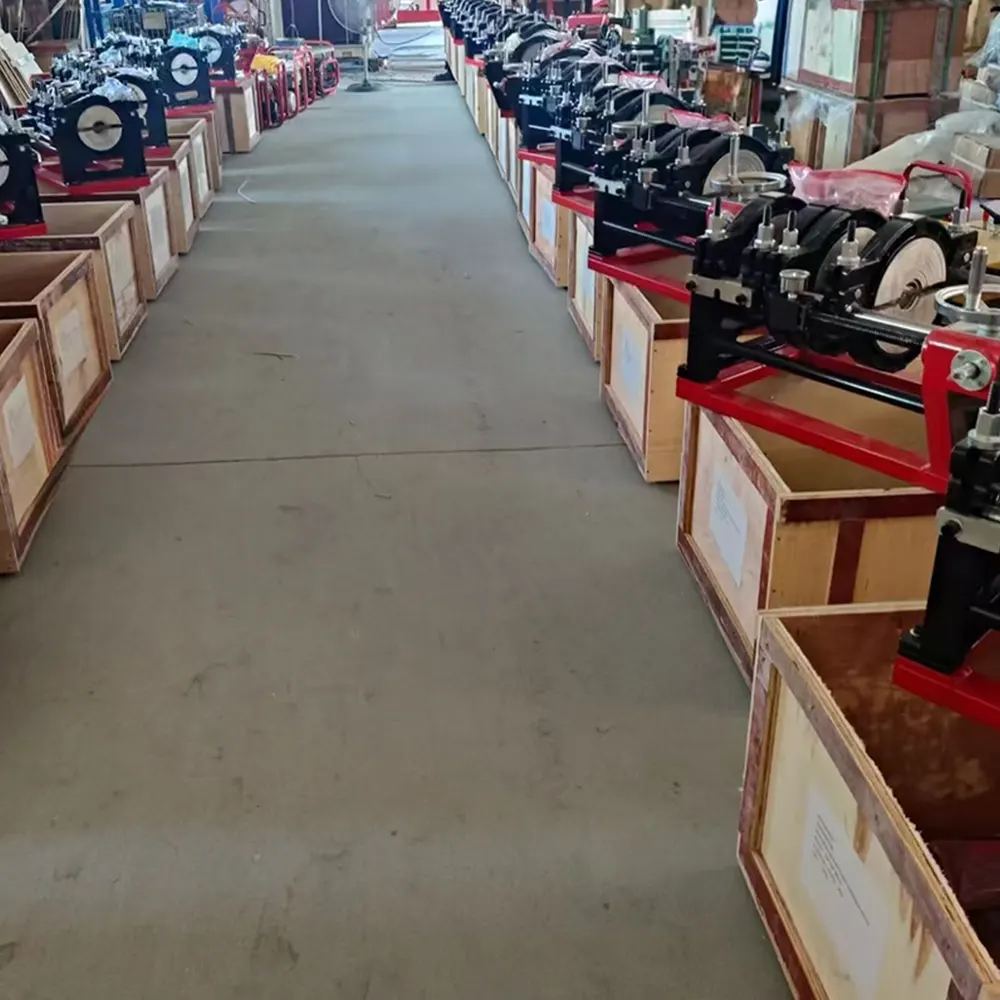
- Manual machines — lightweight, affordable, suited for remote jobs and small diameters.
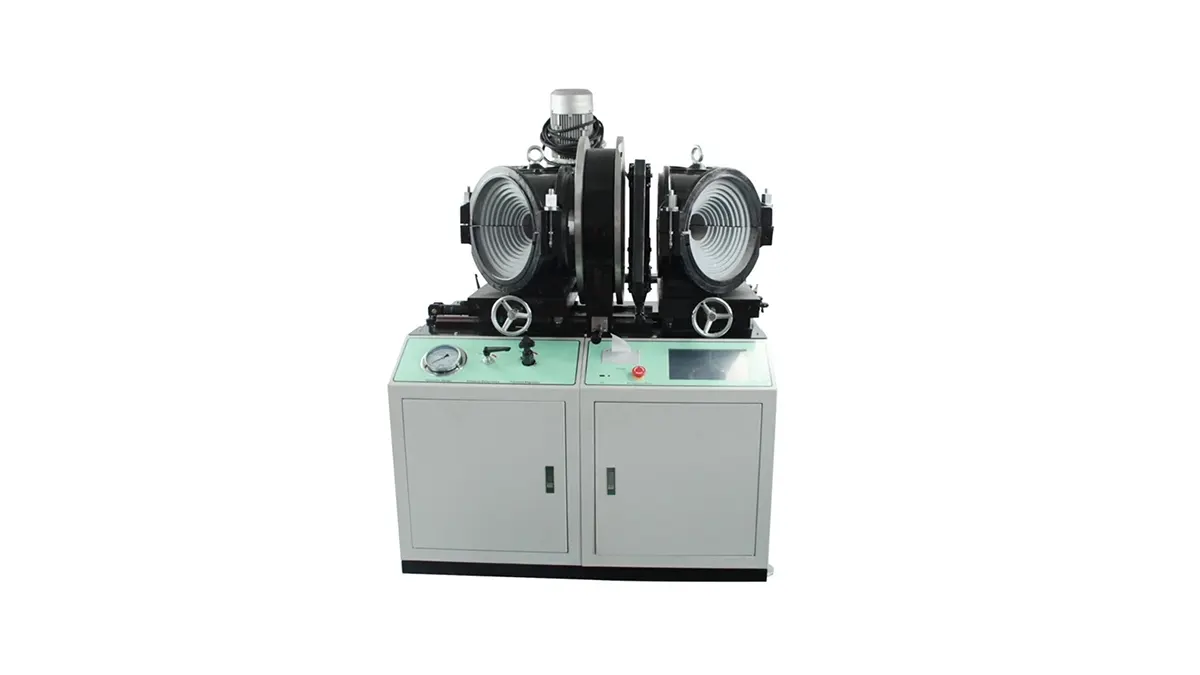
- Hydraulic machines — robust for medium to large diameters and heavy-duty mining pipeline works.
- Automatic/CNC machines — higher precision for urban water networks and industrial piping where weld consistency matters.
Model Comparison at a Glance
| Model | Type | Pipe Range | Key Feature | Typical Price (USD) |
|---|---|---|---|---|
| JQSY-4M | Manual | 20–315 mm | Portable for field repairs | 1,200–2,500 |
| JQH315 | Hydraulic | 160–315 mm | Stable clamping & higher thrust | 6,000–9,000 |
| JQA400 | Automatic | 200–400 mm | CNC control for repeatable welds | 12,000–20,000 |
| JQMA315 | Multi-angle Fitting | 50–315 mm | Fittings & branch welding | 8,000–14,000 |
Practical Buying Tips for DR Congo Buyers
For Congolese projects where downtime is costly, prioritize suppliers that offer:
- On-site or remote operational training in French.
- Spare parts kits and consumables with lead times that fit your project schedule.
- Clear documentation of welding procedures and maintenance routines.
Reach Out and Validate
Ask suppliers for HD videos of machines operating on similar pipe sizes, inspection reports, and client contacts in Africa. For a direct manufacturer option and product details you can explore, visit JQ-Fusion — a manufacturer specializing in manual, hydraulic, and CNC automatic butt fusion machines suitable for infrastructure and mining projects.
Final Note
Choose a supplier that matches your project scale, offers clear after-sales support in French, and can manage logistics into Congo’s ports or airports. Proper vetting now will minimize field failures and keep HDPE pipelines performing reliably for years.



