
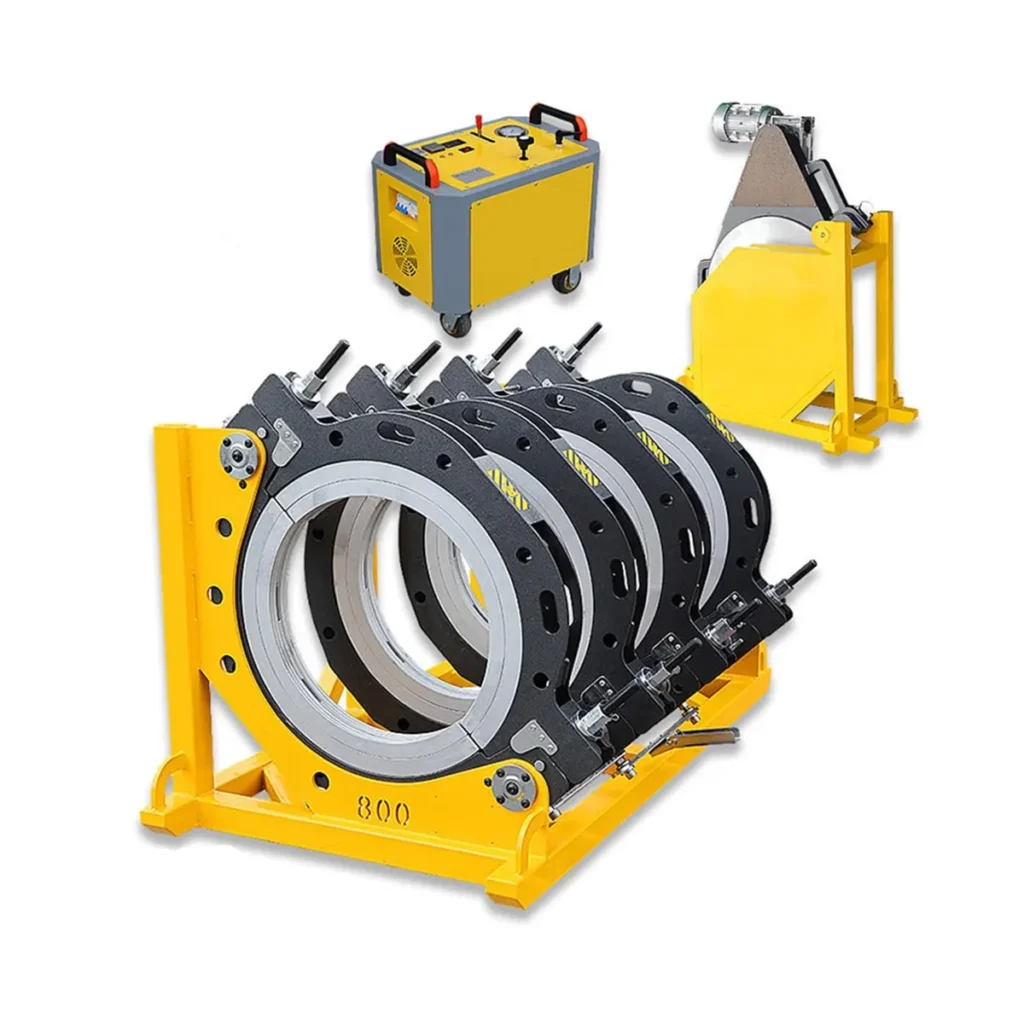
Choosing the right butt fusion machine supplier in South Africa is a critical decision for contractors, municipalities, and mining operators working with HDPE pipelines. The right partner delivers durable equipment, reliable technical support, and fast access to spare parts—essential in a market where water infrastructure, mining projects, and rural pipeline installs demand consistent performance.
Understand South African project needs
Local conditions matter: South Africa’s pipeline projects range from large municipal water networks in Gauteng and the Western Cape to remote irrigation and mining pipeline works in the Northern Cape and Mpumalanga. Dusty job sites, long transport distances, and skilled-operator shortages are common. Choose a supplier who understands these realities and offers machines suited for on-site conditions and available workforce skill levels.
Key selection criteria for butt fusion machine suppliers
1. Machine types and suitability
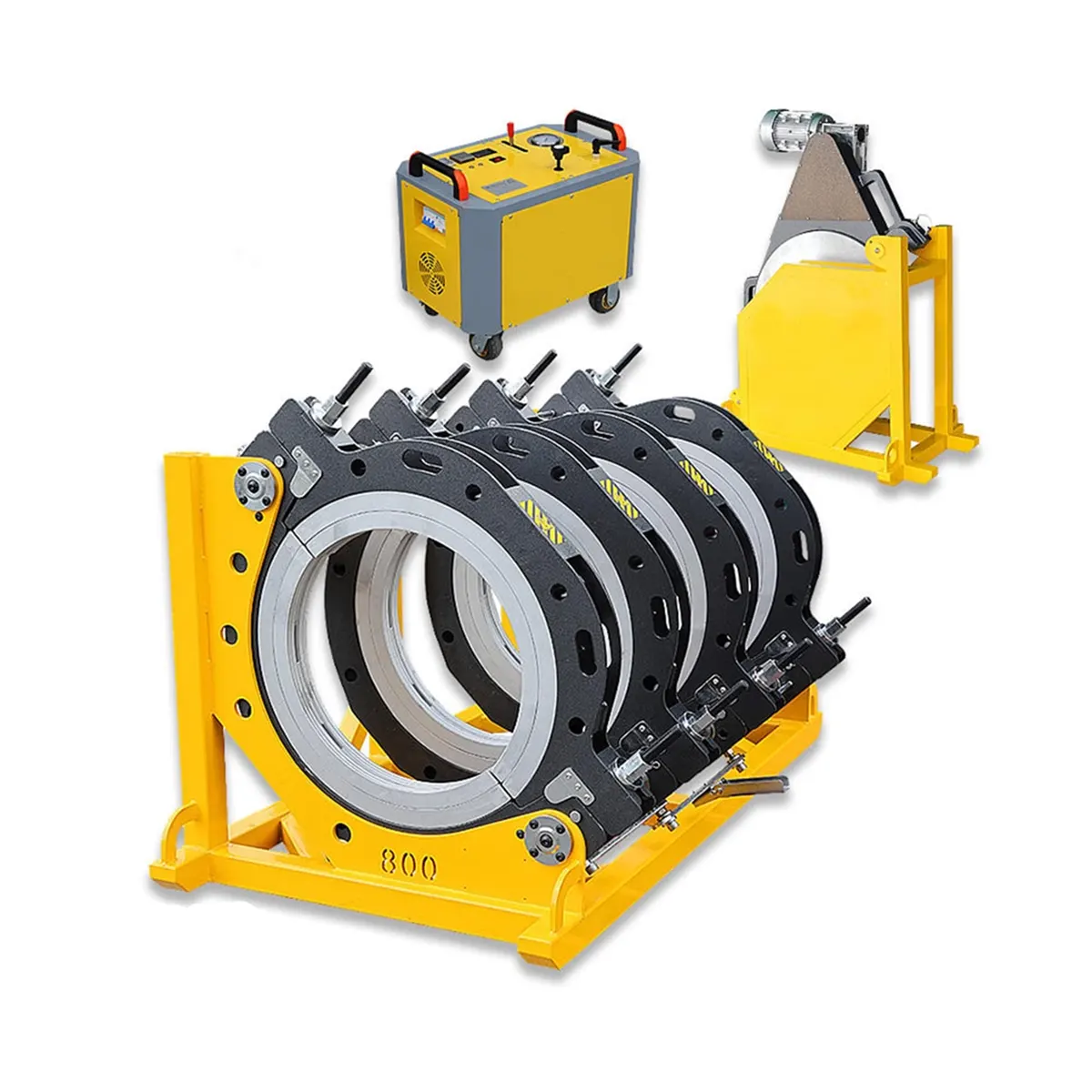
Match the machine to the job: Manual units suit small-diameter repairs and low-volume work; hydraulic machines are best for medium to large diameter pipes on construction sites; CNC/automatic systems offer precision for long runs and industrial projects. Confirm the supplier offers the correct range for your most common pipe diameters.
2. Quality, certifications & standards
Look for suppliers whose equipment complies with international standards (ISO, ASTM, or local SABS specifications) and who provide proper testing and calibration documentation. Certified heating plates, accurate alignment systems, and backed test results reduce rework and non-compliance risks.
3. After-sales support, training and spare parts
Rapid support is essential: Local or regional service capability, operator training, and ready spare parts inventory will keep downtime low. Ask about remote technical assistance and on-site commissioning services.
4. Durability & transportability
Machines used in South African projects must withstand rough handling and harsh environments. Prioritize robust frames, corrosion-resistant components, and designs that are easy to transport between provincial sites.
5. Total cost of ownership
Go beyond headline price—consider consumables, spare parts cost, expected service intervals, and the expected lifetime of the machine. A slightly higher initial investment can pay off through reduced downtime and lower maintenance costs.
Quick comparison: Manual vs Hydraulic vs Automatic
| Type | Typical pipe range | Suitability | Operator skill |
|---|---|---|---|
| Manual | 20–160 mm | Repairs, small installations | Basic |
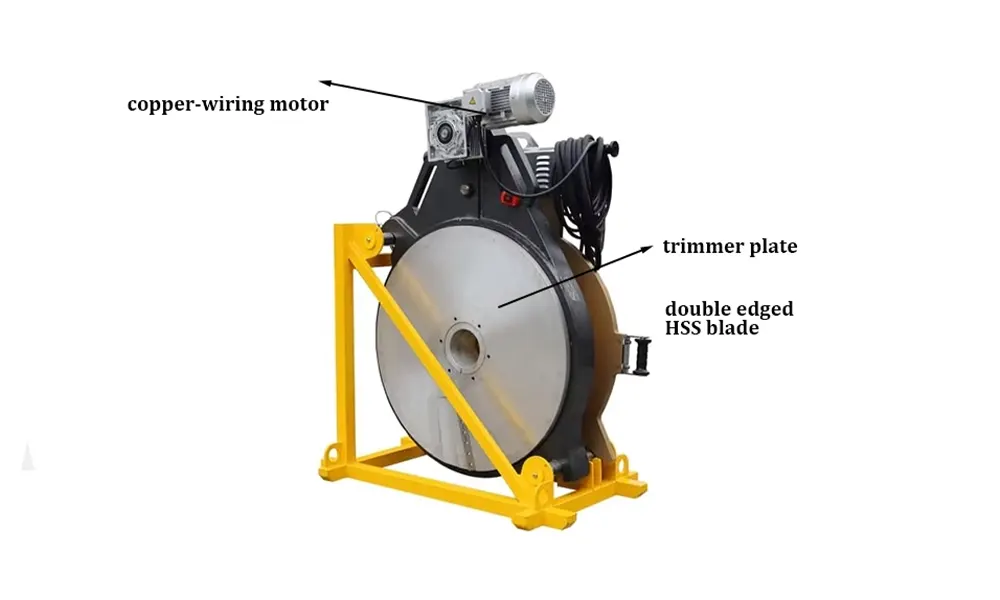
| Hydraulic | 160–1600 mm+ | Large construction sites, municipal works | Intermediate |
| Automatic / CNC | 63–1600 mm+ | High-precision, long-run pipeline projects | Advanced |
Questions to ask every supplier
Warranty terms — What is covered and for how long?
Training — Do they offer operator and maintenance training in South Africa?
Spare parts lead time — Where are parts stocked and how fast can they be delivered?
References — Can they provide local project references or installations similar to yours?
Why choose an experienced manufacturer
JQ-Fusion is a manufacturer focused on HDPE pipe welding machines across manual, hydraulic, and CNC automatic lines—bringing standardized quality, test documentation, and a range of models that suit South African pipeline projects. A direct manufacturer relationship often means better customization, predictable lead times, and consistent spare parts supply.
Final checklist before purchase
Confirm the machine’s pipe-size coverage, request proof of compliance, verify local support availability, compare total lifecycle costs, and ensure on-site training is included. Doing this will reduce project risk and keep your pipeline installations running smoothly across South Africa’s varied work environments.



